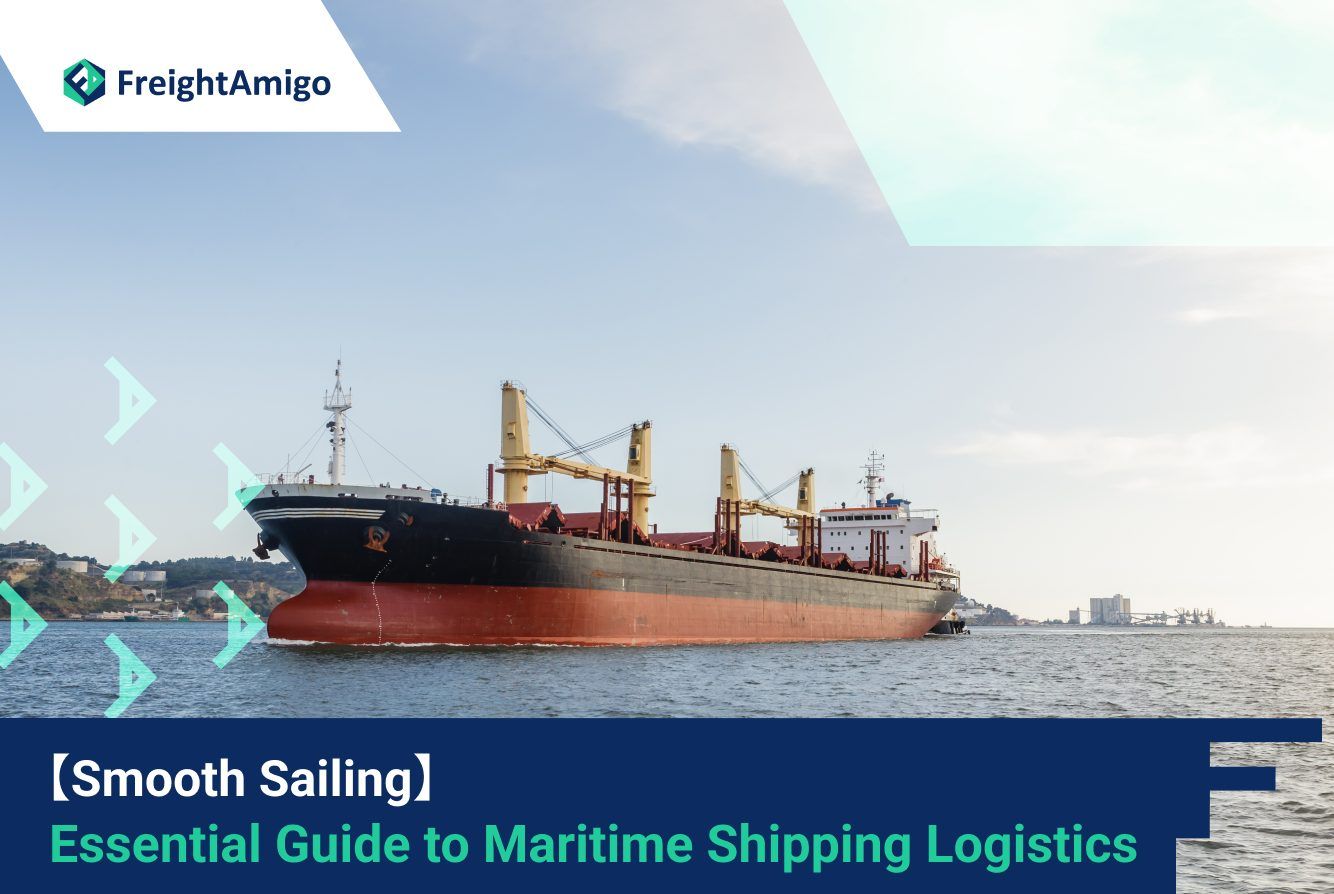
Smooth Sailing: Maritime Shipping Logistics Guide 2025
TL;DR: This 2025 guide covers maritime shipping logistics essentials—from types of vessels and port roles to emerging tech, sustainability, and future trends for efficient global trade.
Introduction to Maritime Shipping Logistics
Maritime shipping logistics powers over 80% of global trade in 2025. It connects businesses worldwide by transporting goods efficiently across oceans. This guide explores key aspects, including vessel types, port operations, technologies, sustainability, and 2025 trends for smooth operations.
With national regulations tightening in 2025—no major WCO revisions until 2027—staying updated ensures compliance and cost savings.
Why Maritime Shipping Logistics Drives Global Trade
Maritime shipping logistics handles 90% of world trade volume cost-effectively. It moves raw materials, consumer goods, and commodities over long distances.
- Cost savings: Up to 10x cheaper than air freight for bulk cargo.
- Capacity: Mega-ships carry 24,000+ containers.
- Reach: Serves 160+ countries via 1,000+ ports.
- Economy boost: Supports $14 trillion in annual trade.
- Reliability: Fixed routes minimize disruptions.
In 2025, rising e-commerce demands faster maritime solutions.
Types of Maritime Shipping Vessels Explained
Choose from liner, tramp, RoRo, and tankers for optimal maritime shipping logistics. Each type suits specific cargo needs.
| Vessel Type | Cargo Type | Key Features |
|---|
| Liner Shipping | Containers | Fixed schedules, regular ports |
| Tramp Shipping | Bulk (coal, grain) | Flexible routes, on-demand |
| RoRo | Vehicles, wheeled goods | Drive-on/off ramps |
| Tankers | Liquids (oil, chemicals) | Specialized tanks, safety tech |
Match vessel to cargo for 20-30% efficiency gains in 2025.
Role of Ports and Terminals in Logistics
Ports act as gateways in maritime shipping logistics, handling 70% of global cargo. They enable seamless sea-to-land transfers.
- Docks and cranes for loading/unloading.
- Warehouses for storage and consolidation.
- Customs zones for compliance checks.
- Terminals for transshipment between vessels.
- Tech hubs for real-time tracking.
Top 2025 ports like Singapore and Rotterdam process 40M+ TEUs yearly.
Emerging Technologies Transforming Maritime Transport
AI, blockchain, and autonomous ships boost maritime shipping logistics in 2025. These innovations cut costs 25%.
- Autonomous Vessels: Sensor-guided navigation reduces errors.
- Blockchain: Secure tracking from origin to destination.
- IoT Smart Containers: Monitor temperature, humidity real-time.
- Drones: Inspect cargo and infrastructure.
- AI Analytics: Predict delays and optimize routes.
2025 case study: A European line saved $5M using AI routing.
How to Implement Sustainable Maritime Shipping Practices
IMO 2025 rules demand greener maritime shipping logistics. Focus on low-emission fuels and efficiency.
- Switch to LNG or methanol fuels.
- Install ballast water systems.
- Optimize speeds for fuel savings.
- Use wind-assisted propulsion.
- Adopt circular economy recycling.
Sustainability cuts emissions 40% by 2030 per IMO targets.
2025 Trends Shaping Maritime Shipping Logistics
Digital twins and green corridors define 2025 maritime shipping logistics. National changes amplify these shifts.
- Alternative fuels: Hydrogen pilots in Asia-Europe routes.
- 5G-enabled ports for instant data.
- Supply chain resilience post-2024 disruptions.
- Electrified terminals.
- AI-driven decarbonization strategies.
FAQ: Maritime Shipping Logistics Questions Answered
Quick answers to top maritime shipping logistics queries for 2025.
- What is maritime shipping logistics? Coordinating ocean transport, ports, and supply chains for global goods movement.
- How long does sea freight take? 20-45 days depending on route and vessel type.
- What are TEUs in shipping? Twenty-foot equivalent units measuring container capacity.
- How to track maritime cargo? Use IoT-enabled containers and blockchain platforms.
- What causes shipping delays? Weather, port congestion, or regulations.
- Is maritime shipping eco-friendly? Improving with IMO rules targeting 50% emission cuts by 2050.
- What documents are needed? Bill of lading, commercial invoice, and export declaration.
- How to choose a vessel type? Based on cargo size, type, and route flexibility.
- What are 2025 regulations? Stricter sulfur caps and CII ratings for efficiency.
- Can small businesses use sea freight? Yes, via LCL consolidation services.
Conclusion: Master Maritime Shipping Logistics
Mastering maritime shipping logistics ensures efficient, sustainable global trade in 2025. Apply these insights for optimized operations.
For tailored quotes across sea, air, and more, Book a Demo with experts.
Contact: Email: enquiry@freightamigo.com HKG: +852 24671689 | +852 23194879 (Business), +852 28121686 | +852 23194878 (Personal) CHN: +86 4008751689 | USA: +1 337 361 2833 | GBR: +44 808 189 0136 | AUS: +61 180002752
























 Express
 Document
 Parcel - Air/Sea
 Container
 Relocation