/p>
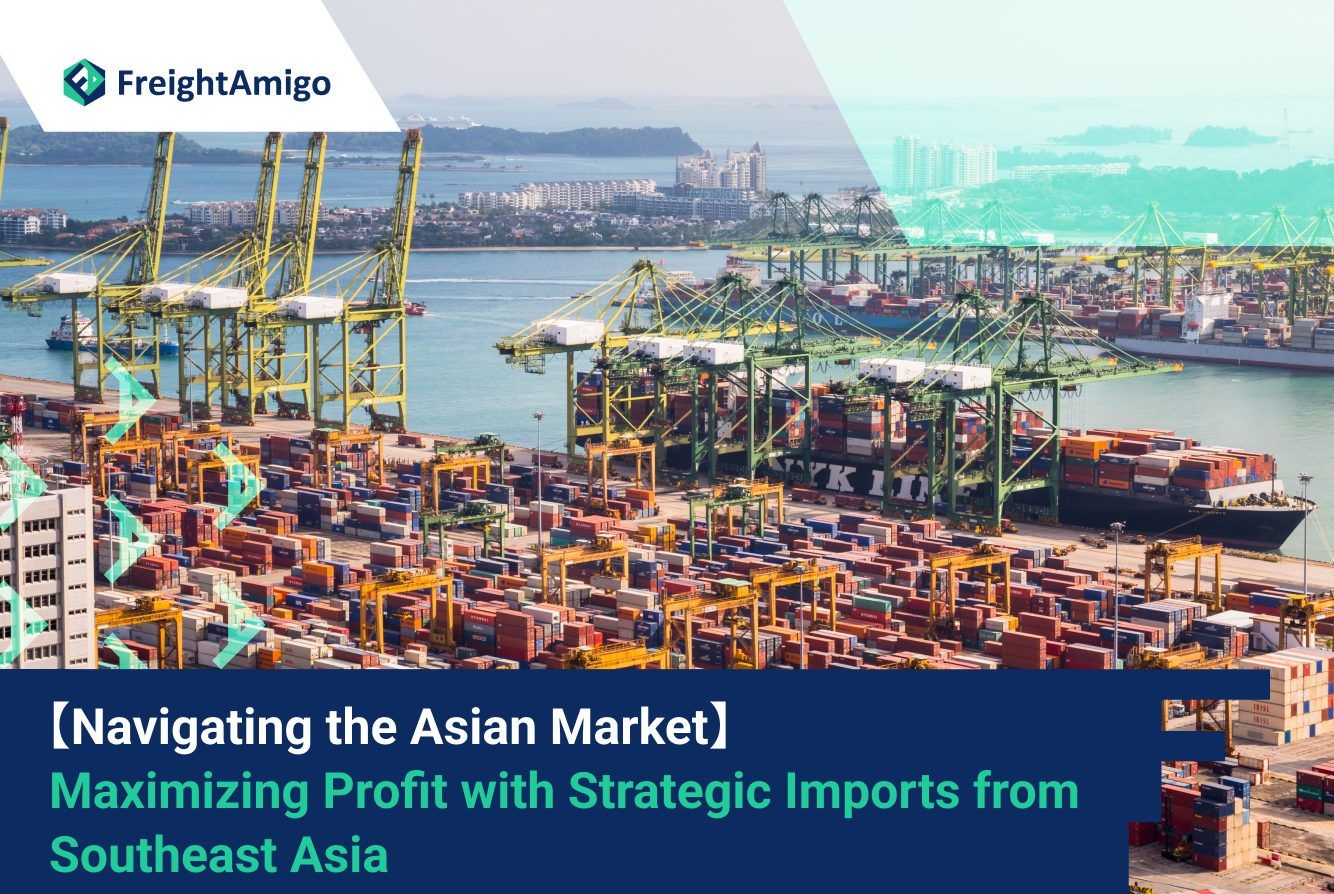
Navigating the Asian Market: Maximizing Profit with Strategic Imports from Southeast Asia
TL;DR: Discover how **strategic imports from Southeast Asia** boost profits in 2025 through cost savings, trade pacts, and optimized logistics—key strategies include supplier vetting, tariff navigation, and supply chain diversification for 20-30% margin gains.
**Unlocking Southeast Asia's Import Potential in the Asian Market**
Southeast Asia drives **Asian market** growth with booming manufacturing in 2025.
Rising GDPs in Vietnam, Thailand, and Indonesia fuel demand for **strategic imports**.
- Export values hit $1.2T in 2024, projected 15% rise by 2025 per ASEAN stats.
- Proximity cuts shipping costs by 25% vs. other regions.
- FTAs like RCEP slash tariffs for US/EU importers.
**Top Benefits of Strategic Imports from Southeast Asia**
**Southeast Asia imports** offer unmatched value in the **Asian market** for profit maximization.
Lower labor costs and efficient ports reduce landed costs significantly.
- Electronics from Vietnam: 30% cheaper than China alternatives.
- Textiles in Bangladesh: Fast turnaround under 45 days.
- Apparel from Indonesia: Sustainable sourcing certifications rising.
- Furniture Thailand: Custom orders with 10% MOQ flexibility.
- Competitive edges via CPTPP trade agreements.
**2025 Trade Changes Impacting Southeast Asia Imports**
**Asian market** dynamics shift with 2025 national regulations pre-WCO 2027 updates.
Vietnam's new EV incentives and Indonesia's mineral export bans reshape **strategic imports**.
| Country | 2025 Change | Import Impact |
|---|
| Vietnam | EV subsidies | 20% cost drop on batteries |
| Indonesia | Nickel bans | Shift to processed goods |
| Thailand | Digital tax cuts | Electronics pricing edge |
| Malaysia | Green certifications | Premium for eco-products |
**How to Build a Profitable Import Plan from Southeast Asia (Step-by-Step)**
**Strategic imports from Southeast Asia** require a structured approach for **Asian market** success.
- Market Research: Analyze demand using Google Trends and ASEAN data.
- Supplier Vetting: Visit factories, check BSCI audits.
- Logistics Mapping: Select FOB/CIF terms via sea/air routes.
- Risk Assessment: Hedge currency with forwards contracts.
- Scale Testing: Start with 1x40' container pilots.
**Cost-Saving Tips for Maximizing Profit on Asia Imports**
**Maximize profit** by optimizing **Southeast Asia imports** in volatile 2025 markets.
- Negotiate bulk discounts: Aim for 15% off list prices.
- Consolidate shipments: Combine LCL for 40% savings.
- Leverage FTAs: RCEP reduces duties 10%.
- Seasonal sourcing: Import off-peak to cut rates 20%.
- Tech tools: Track via AI platforms for real-time rates.
**Navigating Tariffs and Regulations in the Asian Market**
2025 tariff hikes demand savvy **strategic imports** from Southeast Asia.
US Section 301 updates favor ASEAN over traditional sources.
- Verify HS codes for accurate duty calculations.
- Use bonded warehouses to defer payments.
- Comply with EU CBAM carbon rules early.
**Case Study: 25% Profit Boost via Vietnam Imports in 2025**
A US electronics firm switched to Vietnam **Southeast Asia imports**, gaining 25% margins.
Key moves: Local partnerships, rail-sea combos, RCEP claims.
- Cost per unit: Dropped $4.50 to $3.20.
- Lead time: 35 to 22 days.
- Annual savings: $1.2M on 500K units.
**FAQ: Strategic Imports from Southeast Asia**
Q: **What are the cheapest products to import from Southeast Asia in 2025?** A: Electronics from Vietnam and textiles from Indonesia offer the lowest costs due to subsidies and FTAs.
Q: **How do RCEP benefits maximize profit on Asian market imports?** A: RCEP cuts tariffs Asia trade flows.
Q: **What logistics modes suit Southeast Asia imports?** A: Sea freight for bulk (80% volume) and air for high-value urgency.
Q: **How to vet suppliers for strategic imports?** A: Use factory audits, sample testing, and trade references.
Q: **Impact of 2025 regulations on imports?** A: National EV/mineral rules favor processed goods over raw materials.
Q: **Best ports for Asian market sourcing?** A: Singapore, Laem Chabang (Thailand), and Tanjung Pelepas (Malaysia).
Q: **Minimum order for profitable imports?** A: 1x20' container yields 15-20% better rates than LCL.
Q: **Currency risks in Southeast Asia imports?** A: Hedge VND/THB fluctuations with forward contracts.
Q: **Sustainable sourcing trends?** A: Demand for GOTS-certified textiles rises 30% in EU/US.
Resources for Asian Market Success
Ready to optimize **strategic imports from Southeast Asia**? Book a Demo for rate comparisons.
Contact: HKG: +852 24671689 / enquiry@freightamigo.com CHN: +86 4008751689 USA: +1 337 361 2833 GBR: +44 808 189 0136 AUS: +61 180002752








 Global Popular RoutesTop sea & air shipping lanes
 Special OfferLimited-time shipping promotions





 Express
 Document
 Parcel - Air/Sea
 Container
 Relocation