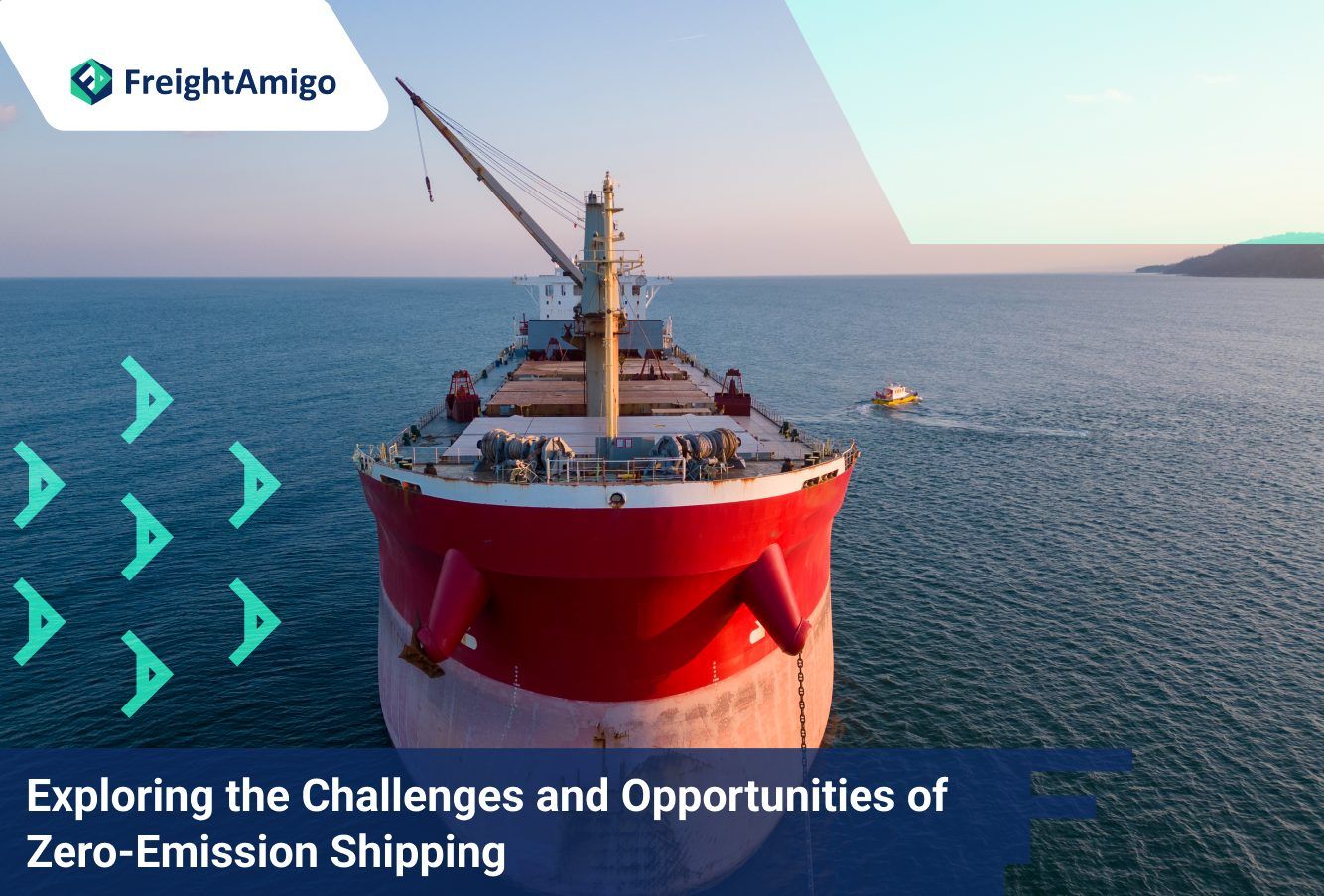
Zero-Emission Shipping: Challenges and Opportunities 2025
TL;DR: Zero-Emission Shipping Essentials
Zero-emission shipping tackles climate change Key challenges include high costs and infrastructure gaps, but 2025 brings EU mandates, IMO targets, and business growth. Discover opportunities, regulations, and future trends below.
- Technologies: Batteries, fuel cells, wind propulsion.
- Challenges: Scalability, refueling networks.
- Opportunities: Green jobs, competitive edge.
- 2025 Updates: National policy shifts pre-WCO 2027 revisions.
/p>
What Is Zero-Emission Shipping in 2025?
Zero-emission shipping uses clean technologies to produce no greenhouse gases during operations. Ships rely on electricity, hydrogen, or renewables instead of fossil fuels.
This approach cuts the industry's 3% global CO2 share. In 2025, with rising fuel prices, it's vital for logistics sustainability.
- Electric batteries for short routes.
- Hydrogen fuel cells for deep-sea voyages.
- Wind-assisted systems for efficiency.
Top Challenges of Zero-Emission Shipping Implementation
High upfront costs and tech scalability hinder zero-emission shipping adoption. Batteries and fuel cells remain expensive.
Infrastructure lags: Ports lack green refueling stations. Supply chains for green hydrogen are immature.
| Challenge | Impact | 2025 Status |
|---|
| Cost | 2-3x traditional fuels | Prices dropping 20% |
| Infrastructure | Few ports ready | 50 new stations planned |
| Tech Maturity | Limited for large vessels | Pilots scaling up |
Key Zero-Emission Shipping Technologies Advancing in 2025
Electric propulsion leads zero-emission shipping innovations with proven short-sea success. Ferries now run emission-free.
Hydrogen fuel cells emit only water vapor. 2025 pilots target cargo ships.
- Electric Batteries: Rechargeable, zero local emissions.
- Hydrogen Fuel Cells: High energy density for oceans.
- Wind Propulsion: Rotorsails cut fuel 10-20%.
- Ammonia Engines: Emerging green alternative.
- Biofuels Transition: Bridge to full zero-emission.
How to Overcome Infrastructure Barriers in Zero-Emission Shipping
Building global refueling networks is crucial for zero-emission shipping viability. Ports must invest in electrification and hydrogen hubs.
2025 sees $10B+ investments. Collaboration speeds deployment.
- Public-private partnerships fund stations.
- Electrified mega-ports in Europe, Asia.
- Hydrogen pipelines from renewables.
Business Opportunities in Zero-Emission Shipping Market 2025
Zero-emission shipping creates a $100B+ market by 2030, starting strong in 2025. Demand surges from eco-conscious clients.
Logistics firms gain edges via green certifications. New jobs in tech manufacturing emerge.
- Component suppliers (batteries, cells).
- Retrofit services for existing fleets.
- Green logistics consulting.
- Carbon credit trading.
Government Regulations Driving Zero-Emission Shipping 2025
IMO's 2025 targets mandate 20-30% emission cuts, pushing zero-emission shipping. No WCO overhaul until 2027, but national rules accelerate.
EU FuelEU Maritime enforces green fuels. Norway's fjord bans succeed.
| Region | 2025 Policy | Impact |
|---|
| EU | FuelEU penalties | Zero-emission incentives |
| IMO | Global 20% cut | Tech standards |
| China | Port green fees | Hydrogen hubs |
Future Trends Shaping Zero-Emission Shipping Beyond 2025
AI optimization and autonomy boost zero-emission shipping efficiency. Digital twins predict routes for max renewables.
2025 case study: Iconic Ventures' electric containership cuts emissions 90% on Asia-EU lanes.
- Autonomous green vessels.
- Blockchain for carbon tracking.
- Hybrid fleets as bridges.
FAQ: Zero-Emission Shipping Questions Answered
Quick answers to top zero-emission shipping queries for 2025.
- What is zero-emission shipping? Ships producing no greenhouse gases using clean power sources like batteries or hydrogen.
- Which technologies enable it? Electric propulsion, fuel cells, and wind-assist systems.
- What are main challenges? High costs and lacking refueling infrastructure.
- How do regulations help? IMO and EU mandates enforce emission reductions starting 2025.
- Is it cost-effective? Costs drop 20% yearly; savings via efficiency by 2030.
- What's new in 2025? Scaled pilots and national infrastructure investments.
- Benefits for businesses? Competitive edge, green branding, new revenue streams.
- Timeline to full adoption? Widespread by 2040, accelerated by 2025 policies.
- Role of wind tech? Reduces fuel needs 30% on retrofits.
- Impact on jobs? Creates skilled roles in green tech and maintenance.
Conclusion: Embrace Zero-Emission Shipping Today
Zero-emission shipping balances challenges with vast opportunities for sustainable logistics. Act now amid 2025 regulatory shifts.
For expert guidance, Book a Demo with FreightAmigo. Contact: enquiry@freightamigo.com | HK: +852 24671689 | CHN: +86 4008751689 | USA: +1 337 361 2833.











 Express
 Document
 Parcel - Air/Sea
 Container
 Relocation