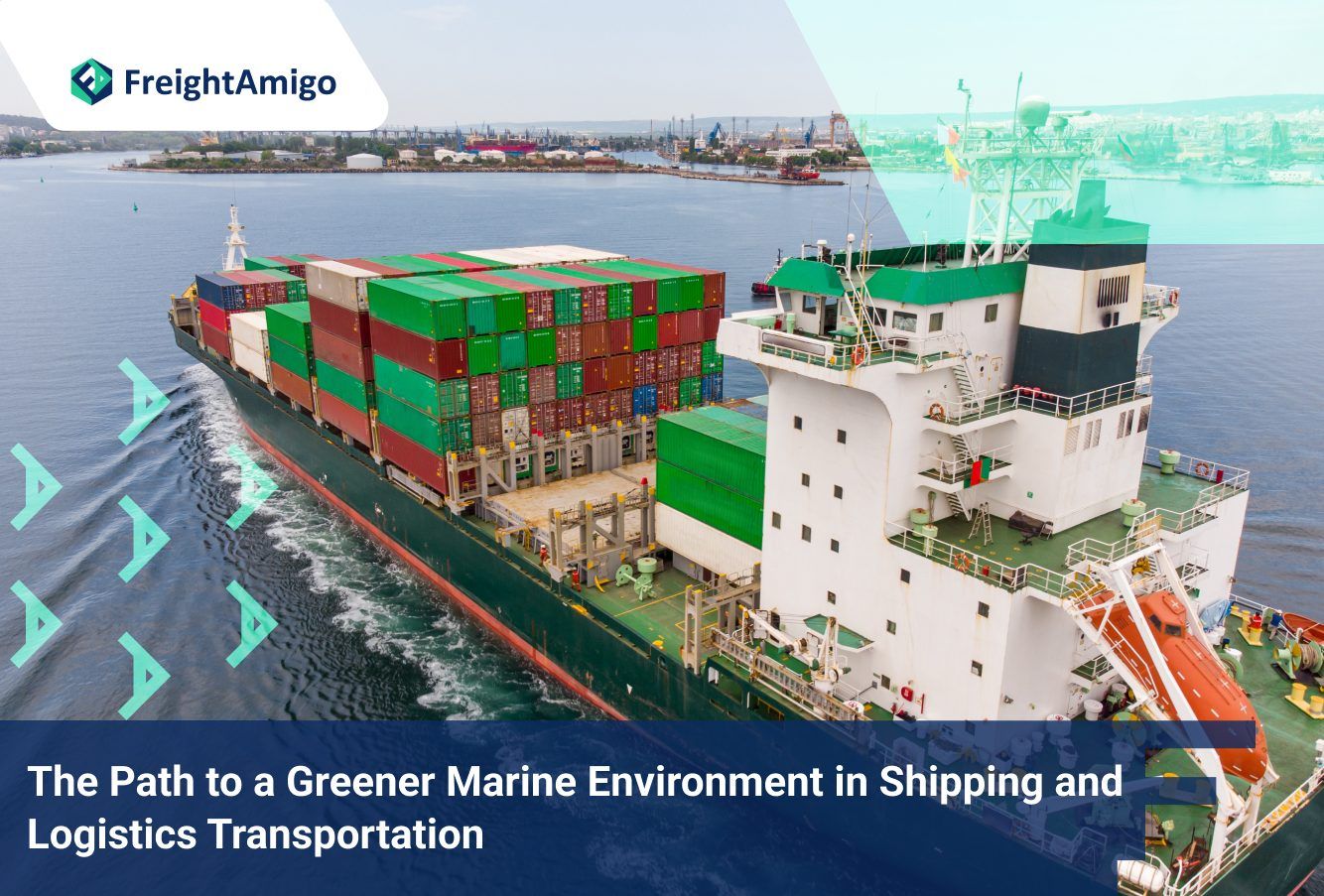
The Path to a Greener Marine Environment in Shipping and Logistics Transportation
TL;DR: Discover 2025 strategies for reducing emissions, optimizing routes, and adopting green tech in marine shipping and logistics transportation to achieve a sustainable marine environment amid IMO regulations and national changes.
Understanding Environmental Challenges in Marine Shipping
Shipping accounts for 3% of global GHG emissions, threatening marine ecosystems. Air pollution, water contamination, and invasive species spread via ballast water pose urgent risks in logistics transportation.
- Carbon emissions from bunker fuels damage oceans and climate.
- Oil spills and waste dumping harm marine biodiversity.
- Ballast water exchanges invasive species globally.
- Noise pollution disrupts marine life migration.
- 2025 national regulations in EU and Asia amplify compliance needs.
IMO Regulations Driving Greener Marine Shipping 2025
The IMO's 2025 updates mandate stricter CII and EEXI for carbon intensity reduction. These rules target a 40% emissions cut by 2030, reshaping logistics transportation.
| Regulation | 2025 Impact | Goal |
|---|
| CII | Annual ratings A-E | Reduce CO2 per transport work |
| EEXI | Energy efficiency retrofits | Lower operational carbon intensity |
| FuelEU Maritime | EU multiplier penalties | Phase out high-sulfur fuels |
| SEA-LNG | LNG adoption incentives | 40% less emissions than HFO |
Emissions Reduction Strategies for Sustainable Logistics
Comprehensive Scope 1-3 emissions tracking is essential for greener marine environments. Beyond weight-based metrics, include scrubbers and slow steaming in 2025 calculations.
- Adopt real-time monitoring tools for accurate data.
- Invest in low-carbon fuels like biofuels and ammonia.
- Implement shore power to cut idling emissions.
- Use AI for predictive emissions forecasting.
- Certify with Green Marine or RightShip standards.
Optimizing Ship Speed for Fuel Efficiency in 2025
A 10% speed reduction yields 27% fuel savings, per 2025 Danish Ship Finance data. Precise route planning ensures on-time performance in logistics transportation.
- Virtual arrival tools sync speeds with port slots.
- Weather routing avoids fuel-wasting storms.
- Historical benchmarks guide optimal velocities.
- Wind-assisted propulsion cuts fuel 20-30%.
- 2025 case: Maersk saved 15% via slow steaming fleets.
Advanced Cargo Management to Minimize Waste
SOLAS VGM prevents accidents and spoilage in marine shipping. Real-time sensors track tilt, temp, and shocks for sustainable logistics.
- Balanced loading reduces fuel use by 5%.
- IoT reefer monitoring cuts food waste 20%.
- Digital twins simulate loads pre-voyage.
- Closed-loop recycling for packaging.
- 2025 WCO guidelines enhance traceability.
Innovative Green Technologies Transforming Shipping
Autonomous vessels and alternative fuels lead 2025 sustainability innovations. Sails, rotors, and hydrogen power reduce reliance on fossil fuels.
- Wind propulsion: Flettner rotors save 20% fuel.
- Electric batteries for short-sea routes.
- Ammonia/methanol dual-fuel engines.
- AI navigation optimizes 10% efficiency.
- Drone inspections cut maintenance emissions.
Industry Collaboration for Greener Marine Logistics
Cross-stakeholder partnerships accelerate sustainable marine environment goals. Initiatives like SSI share best practices for logistics transportation.
- Solar Impulse Foundation certifies efficient solutions.
- Port alliances for cold ironing.
- Supply chain transparency platforms.
- 2025 Getting to Zero Coalition targets net-zero fuels.
- Shared R&D pools resources.
Investing in Sustainability: 2025 Case Studies
Strategic investments yield ROI via efficiency and compliance. Governments offer incentives for green retrofits in shipping.
| Company | 2025 Initiative | Results |
|---|
| Maersk | Methanol vessels | 50% emission cut |
| COSCO | Wind sails fleet | 15% fuel reduction |
| APL | Shore power ports | Zero idling emissions |
FAQ: Greener Marine Environment in Shipping Logistics
Q: What is the IMO CII regulation? A: CII rates ship energy efficiency annually from A to E, requiring improvements for greener operations.
Q: How does slow steaming reduce emissions? A: Reducing speed by 10% cuts fuel use by up to 27%, lowering carbon footprint.
Q: What are VGM requirements in shipping? A: SOLAS mandates verified gross mass declarations to ensure safe, waste-minimizing cargo loading.
Q: Which green fuels are viable in 2025? A: Biofuels, LNG, ammonia, and methanol offer significant emissions reductions over heavy fuel oil.
Q: How do wind technologies aid sustainability? A: Sails and rotors provide auxiliary propulsion, saving 10-30% fuel without engine power.
Q: What role does AI play in green shipping? A: AI optimizes routes, predicts weather, and manages emissions for efficient logistics.
Q: Are there 2025 incentives for green shipping? A: EU and US grants support retrofits and alternative fuels adoption.
Q: How to measure Scope 3 emissions? A: Track upstream/downstream supply chain impacts using standardized tools like those from IMO.
Q: What is FuelEU Maritime? A: EU rule penalizes high-emission fuels to drive greener marine transportation.
Q: Why collaborate for sustainable shipping? A: Partnerships share knowledge, scale innovations, and meet collective net-zero goals.
Conclusion: Navigating to a Sustainable Marine Future
Embracing these 2025 strategies ensures a greener marine environment in shipping and logistics transportation. For expert support in sustainable logistics, Book a Demo or contact: enquiry@freightamigo.com | HK: +852 24671689 | CHN: +86 4008751689 | USA: +1 337 361 2833.
Marketing Analyst at FreightAmigo.








 Global Popular RoutesTop sea & air shipping lanes
 Special OfferLimited-time shipping promotions





 Express
 Document
 Parcel - Air/Sea
 Container
 Relocation