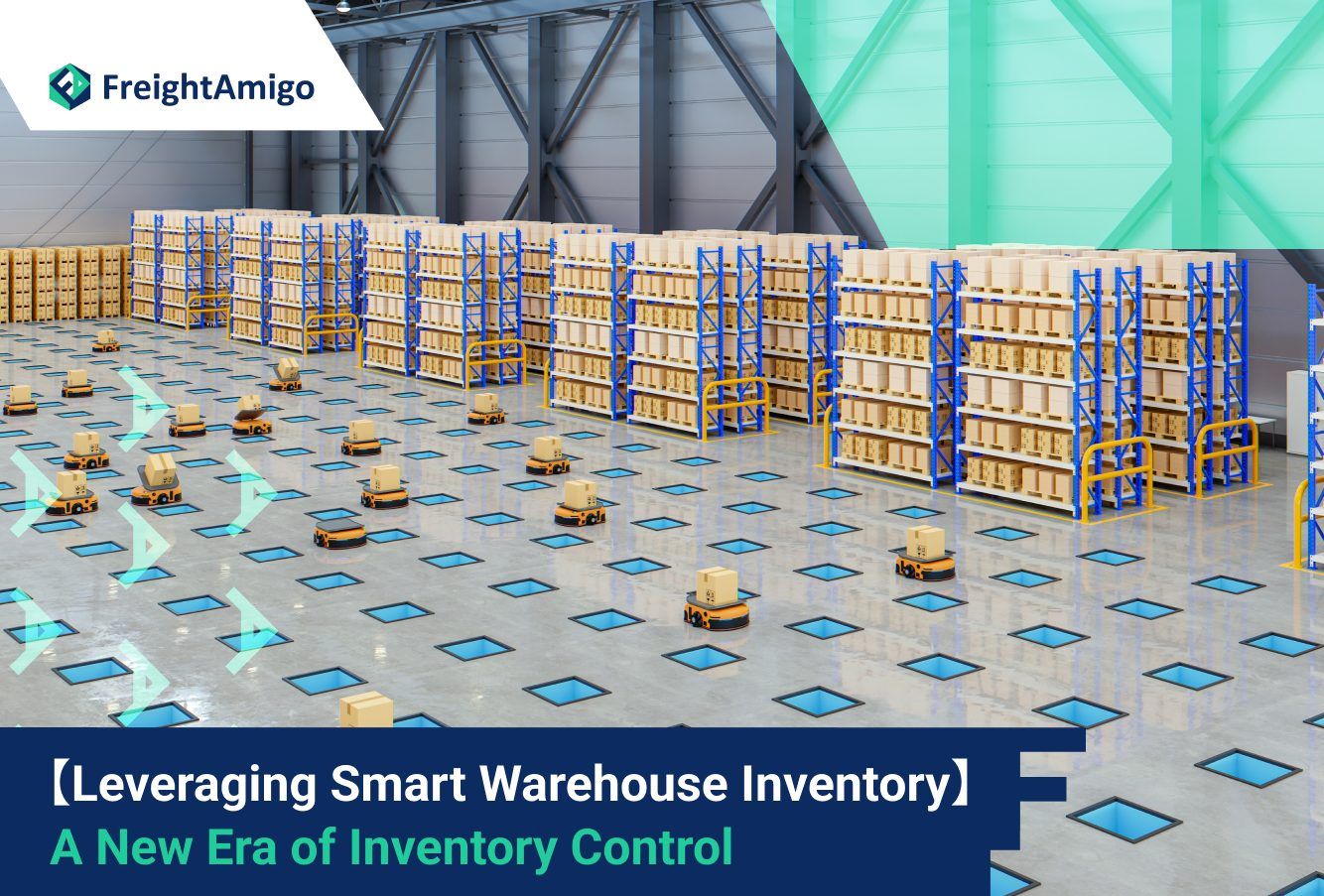
Leveraging Smart Warehouse Inventory: A New Era of Inventory Control
TL;DR: Discover how smart warehouse inventory systems powered time tracking. Key benefits, implementation steps, and 2025 trends included.
In the fast-paced world of logistics and supply chain management, leveraging smart warehouse inventory marks a transformative shift. Businesses now achieve unprecedented inventory control, reducing errors and optimizing operations.
What Is Smart Warehouse Inventory Management?
Smart warehouse inventory management uses advanced tech like AI and IoT for real-time oversight. It goes beyond traditional methods, enabling precise tracking and automation.
- Real-time inventory visibility across all locations
- Automated replenishment to prevent stockouts
- Integration with supply chain systems for seamless flow
- Data analytics for predictive demand forecasting
- Reduced manual errors by up to 50%
In 2025, with rising e-commerce demands, smart systems handle complex logistics efficiently.
Role of WMS in Smart Warehouse Inventory Control
A Warehouse Management System (WMS) is the backbone of smart warehouse inventory. It optimizes storage, picking, and shipping processes.
| WMS Feature | Benefit | 2025 Impact |
|---|
| Real-time tracking | 99% accuracy | AI-enhanced predictions |
| RFID/Barcode integration | Faster picks | IoT connectivity |
| Labor optimization | 20% cost savings | Automated tasking |
WMS integrates with ERP and TMS for end-to-end supply chain visibility.
Key Benefits of Leveraging Smart Warehouse Inventory
Smart warehouse inventory delivers measurable ROI in logistics operations.
- Cost Reduction: Automate to cut labor by 25%
- Accuracy Boost: Minimize stock discrepancies
- Speed: Faster order fulfillment in high-volume warehouses
- Scalability: Adapt to business growth seamlessly
- Sustainability: Optimize space to lower energy use
2025 case study: A Hong Kong logistics firm using smart inventory saw 35% throughput increase.
How WMS Streamlines Warehouse Processes in 2025
WMS transforms manual tasks into automated workflows for smart warehouse inventory.
- Receiving: Auto-scan and verify incoming goods
- Put-away: Optimized slotting via AI algorithms
- Picking: Voice-directed or AR-guided for speed
- Packing: Dynamic cubing for efficiency
- Shipping: Integrated label generation
National regulations in 2025 emphasize traceability, making WMS compliance essential.
Implementing Smart Warehouse Inventory: Step-by-Step Guide
Follow this how-to for successful smart warehouse inventory rollout.
- Assess Needs: Audit current inventory pain points
- Select WMS: Prioritize cloud-based, scalable options
- Integrate Tech: Add IoT sensors and AI analytics
- Train Staff: Mobile apps for on-the-go access
- Monitor KPIs: Track pick accuracy and cycle times
Expect 3-6 months for full optimization in mid-sized warehouses.
2025 Trends Shaping Smart Warehouse Inventory
Emerging technologies drive the new era of inventory control.
- AI predictive analytics for demand forecasting
- IoT-enabled real-time monitoring
- Robotics for automated picking
- Blockchain for traceability
- 5G for ultra-low latency data
With no major WCO changes until 2027, focus on 2025 national logistics reforms for compliance.
Choosing the Right WMS for Your Warehouse
Evaluate these factors for optimal smart warehouse inventory performance.
- Seamless ERP/TMS integration
- Mobile-first interface
- Customization flexibility
- Scalability for growth
- Robust security and analytics
FAQ: Smart Warehouse Inventory Management
Quick answers to top questions on leveraging smart warehouse inventory.
What is a smart warehouse inventory system? A tech-driven setup using WMS, AI, and IoT for automated, real-time control.
How does WMS improve inventory accuracy?
What are 2025 WMS trends? AI forecasting, robotics integration, and cloud scalability dominate.
Is WMS suitable for small warehouses? Yes, cloud WMS scales affordably for SMBs.
How much does smart inventory save costs? Typically 20-30% in labor and shrinkage.
Can WMS handle returns? Yes, it streamlines reverse logistics with full traceability.
What integration is needed for WMS? ERP, TMS, and e-commerce platforms for end-to-end flow.
Is mobile WMS essential in 2025? Absolutely, for on-the-go warehouse management.
How to measure WMS success? Track KPIs like pick rate, accuracy, and fulfillment time.
What's new in smart inventory for 2025? Enhanced AI and regulatory compliance features.
Conclusion: Step into the New Era
Leveraging smart warehouse inventory empowers logistics pros with precision control. For tailored advice, Book a Demo or contact: HKG +852 24671689, CHN +86 4008751689, USA +1 337 361 2833, GBR +44 808 189 0136, AUS +61 180002752, Email: enquiry@freightamigo.com.
























 Express
 Document
 Parcel - Air/Sea
 Container
 Relocation