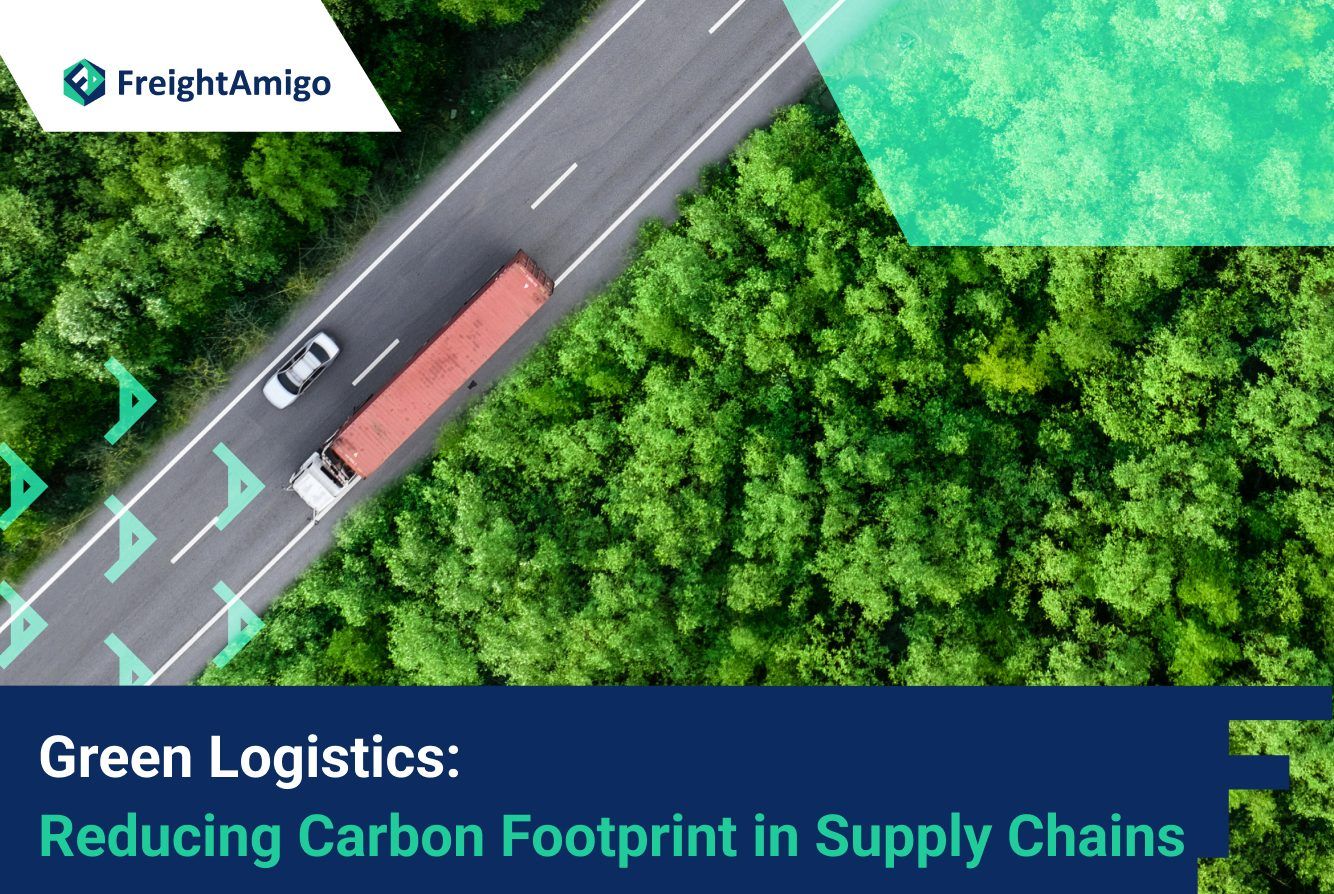
Green Logistics: Reducing Carbon Footprint in Supply Chains 2025
TL;DR: Discover proven strategies for green logistics to cut supply chain carbon emissions by up to 30% in 2025, including route optimization, sustainable packaging, and electric fleets amid new national regulations.
Environmental Impact of Supply Chains on Carbon Footprint
Supply chains drive over 80% of a company's greenhouse gas emissions, per McKinsey 2025 data. This massive footprint spans transportation, manufacturing, and warehousing.
- Transportation alone accounts for 15% of global emissions.
- Air freight emits up to 50 times more CO2 per ton than sea shipping.
- Poorly optimized routes waste 20% extra fuel annually.
With 2025 national carbon taxes rising in EU and Asia, businesses face steeper costs without green logistics shifts.
Why Green Logistics Matters for Sustainable Supply Chains
Green logistics isn't just eco-friendly—it's a 2025 business imperative for cost savings and compliance.
Companies adopting low-carbon practices report 15-25% logistics savings. Environmentally aware consumers prefer sustainable brands, boosting loyalty.
- Meets Paris Agreement targets by 2030.
- Reduces risks from climate disruptions like floods delaying shipments.
- Enhances brand reputation amid rising ESG demands.
Three Pillars of Sustainability in Green Logistics
Sustainable supply chains balance environmental, social, and economic pillars for true green logistics impact.
| Pillar | Key Focus Areas | 2025 Impact |
|---|
| Environmental | Reduce emissions, protect habitats | 92% CO2 cut needed by 2050 |
| Social | Community health, fair labor | New worker safety regs in CHN/USA |
| Economic | Job creation, cost efficiencies | Green tech ROI in 18 months |
How to Optimize Space Utilization for Lower Carbon Emissions
Maximizing cube utilization in containers slashes unnecessary transport emissions in green logistics.
- Audit current fill rates—average is 65%, wasting fuel.
- Use AI tools for 3D packing simulations.
- Standardize pallet sizes across suppliers.
- Consolidate partial loads into full containers.
- Track via IoT sensors for real-time adjustments.
Result: Up to 20% emission reductions, per 2025 WCO guidelines.
Sustainable Materials Management in Supply Chains
Switching to eco-packaging cuts waste and carbon footprint significantly.
- Biodegradable alternatives to plastic reduce landfill impact.
- Recycled corrugated boxes emit 40% less CO2.
- Right-sized packaging prevents damage and repacks.
- Source FSC-certified materials for forests.
- Audit suppliers for low-impact certifications.
2025 case study: A HKG exporter saved 15 tons CO2 yearly via reusable totes.
Strategic Data Analysis for Green Logistics Efficiency
Data-driven insights pinpoint high-emission hotspots in supply chains.
Analyze Scope 3 emissions across tiers. Tools map CO2 from sourcing to delivery.
- Collect supplier emission data.
- Model route alternatives (rail vs. truck).
- Predict demand to avoid overstock transport.
- Integrate carbon accounting software.
- Benchmark against 2025 industry averages.
2025 Case Studies: Real-World Carbon Footprint Reductions
Leading firms showcase green logistics success in 2025.
- EU manufacturer: Electric trucks cut fleet emissions 45%.
- Asia electronics chain: Modal shift to rail saved 28% CO2.
- US retailer: Supplier collaboration reduced packaging waste 35%.
These align with WCO 2025 updates—no major revisions until 2027, but national mandates accelerate adoption.
FAQ: Green Logistics and Reducing Carbon Footprint
Q: What is green logistics? A: Green logistics optimizes supply chains to minimize environmental impact, especially carbon emissions.
Q: How much do supply chains contribute to global emissions? A: Over 80%, mainly from transportation and manufacturing.
Q: What are quick wins for carbon footprint reduction? A: Optimize routes, use full loads, and switch to sustainable packaging.
Q: Does green logistics save money? A: Yes, with 15-30% cost reductions via efficiency gains.
Q: What 2025 regulations affect supply chains? A: EU Carbon Border Adjustment and Asia emission taxes.
Q: How to measure supply chain emissions? A: Use Scope 3 accounting tools for full visibility.
Q: Is rail freight greener than trucks? A: Yes, emitting 75% less CO2 per ton-mile.
Q: What role does AI play in green logistics? A: AI optimizes routes and predicts emissions in real-time.
Q: Can SMEs adopt green logistics? A: Absolutely, starting with supplier audits and basic optimizations.
Q: What's next after 2025 for sustainability? A: Hydrogen fuels and full electrification by 2030.
Conclusion: Build Your Green Supply Chain Today
Implement these green logistics strategies for a resilient, low-carbon future. For expert support, Book a Demo with FreightAmigo.
Contact: +852 24671689 (HKG Business), enquiry@freightamigo.com
























 Express
 Document
 Parcel - Air/Sea
 Container
 Relocation