Sea Freight
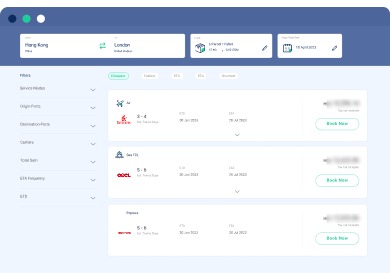
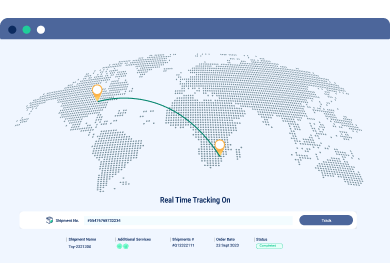
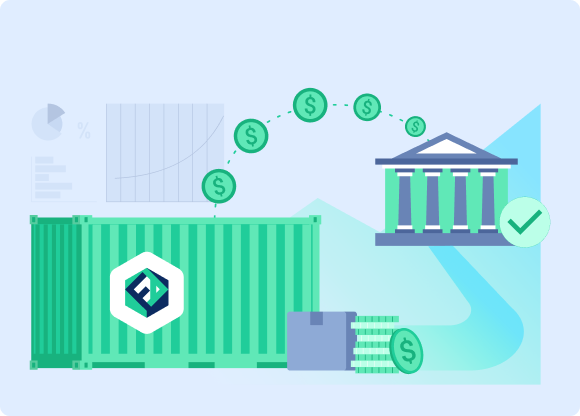
FreightAmigo's Sea Freight services offer cost-effective, reliable global shipments for large cargo volumes. We provide FCL and LCL options for flexible shipment sizes. Our global network supports imports, exports, and specialized cold chain logistics, ensuring optimized routes and secure handling. Tailored solutions include car shipments and automotive shipments. Enjoy door-to-door, port-to-port, or multimodal services with real-time tracking and expert support for sustainable shipping.
Air Freight
FreightAmigo's Air Freight service offers fast, reliable global shipments for urgent needs. Perfect for imports and exports, we provide competitive pricing across Asia, Middle East, Europe, Africa, and America. Our specialized services include cold chain logistics with Reefer Containers, car shipments, automotive shipments, and super car shipments by air. With real-time tracking and customs assistance, we ensure secure, efficient delivery of perishables, electronics, or high-value goods, meeting tight deadlines with expert support.
Courier
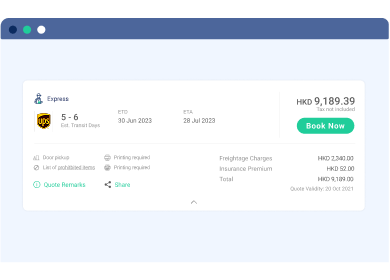
FreightAmigo's Courier service is tailored for fast, secure, and hassle-free delivery of small parcels and documents. Ideal for e-commerce businesses and urgent shipments, we offer express international and domestic solutions with door-to-door tracking. Partnering with leading courier providers like DHL, FedEx, and UPS, we ensure timely deliveries with competitive rates. Our platform simplifies shipping with automated label generation, customs documentation, and real-time updates, reducing manual work. Whether shipping B2B or B2C, FreightAmigo's courier service guarantees speed, reliability, and transparency, helping businesses enhance customer satisfaction with seamless last-mile delivery.
Trucking
FreightAmigo's Trucking service delivers flexible, reliable road transportation for regional and cross-border shipments. We provide Full Truckload (FTL), Less Than Truckload (LTL), and specialized Reefer Container options for temperature-sensitive goods. With trusted carriers, real-time tracking, and optimized routes, we ensure timely deliveries while reducing costs and transit times. Our network spans last-mile, urban, and long-haul routes, offering scalable, efficient solutions tailored to your supply chain needs.
Railway Freight
FreightAmigo's Railway Freight solution offers a cost-efficient and eco-friendly alternative for land-based cargo transport. Ideal for cross-continental shipments (e.g., Europe-Asia routes), rail freight balances speed and affordability compared to sea or air options. We provide intermodal solutions, integrating rail with trucking for seamless door-to-door delivery. With fixed schedules, reduced carbon footprint, and secure handling, rail freight is perfect for heavy or bulk commodities. FreightAmigo optimizes routes, manages customs, and provides real-time tracking, ensuring reliable and sustainable logistics for businesses looking to minimize costs without compromising efficiency.
Warehouse
FreightAmigo's Warehouse solutions offer secure, scalable storage. Our services include robotic Warehousing, artwork warehousing, and fine jewelry warehousing, ensuring tailored logistics for your business. Our global network of fulfillment centers provides short- and long-term storage, inventory management, and order processing with seamless integration to your sales channels. Features like barcode scanning and real-time stock updates enhance accuracy and efficiency. With customs-bonded options and omnichannel distribution, FreightAmigo's warehousing services ensure fast, cost-effective logistics tailored to your business growth.
Customs Clearance
FreightAmigo's Customs Clearance services simplify global trade. Our experts manage documentation, tariffs, and compliance, ensuring seamless cross-border shipments with minimal delays and costs. We offer HS Code classification, duty optimization with our Duty Calculator, and real-time updates. With expertise in regional laws (EU, US, Asia), we reduce inspection risks. Integrated with our freight solutions, we provide end-to-end visibility, helping businesses trade confidently and avoid logistical bottlenecks.
Fulfillment
FreightAmigo's Fulfillment service empowers businesses and eCommerce with end-to-end order processing, from storage to last-mile delivery. Ideal for cross-border eCommerce, we handle pick-and-pack, labeling, and returns management with precision. Our automated systems sync with major platforms (Shopify, Amazon) for real-time order tracking and inventory updates, reducing overheads. With strategically located warehouses, we ensure fast, cost-effective shipping to global markets. Whether scaling up for peak seasons or managing subscriptions, FreightAmigo's fulfillment solutions boost efficiency, enhance customer experience, and free you to focus on growth—all backed by seamless logistics integration.
Duty Calculator
Simplify your international shipping with FreightAmigo's Duty Calculator. Our advanced tool accurately estimates customs duties and taxes, ensuring you avoid unexpected costs and delays. With just a few clicks, get instant, reliable calculations tailored to your specific shipments. Integrated with our full range of freight services, our Duty Calculator helps you manage every aspect of your international shipments. Start saving time and money on your imports today.
Relocation and
Car Global Shipment Services
FreightAmigo's Relocation services simplify your move, whether across town or globally. We manage packing, transportation, and customs clearance for a seamless transition. Our Car Global Shipment service ensures secure, insured vehicle transport with real-time tracking and personalized support. Trust FreightAmigo for reliable, efficient, and cost-effective solutions tailored to your needs.
FreightAmigo's Credit Search:
Know your client
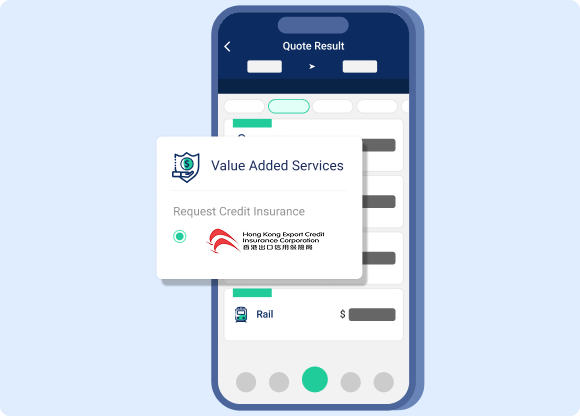
FreightAmigo's export credit insurance safeguards your international trade with robust Credit Search tools and rigorous KYC (Know Your Client) processes. Our comprehensive services help you know your client thoroughly, assessing their financial credibility and business integrity. With FreightAmigo, you can trade confidently, knowing your transactions are protected by reliable credit information and compliance with global standards.
AmiGo Green:
Sustainable Green Logistics
FreightAmigo's AmiGo Green initiative revolutionizes green logistics with eco-friendly supply chain solutions. We optimize routes to cut emissions, use recyclable packaging, and deploy electric vehicles. Our carbon offset options further reduce your environmental footprint. With AmiGo Green, enjoy reliable, efficient shipping that prioritizes sustainability.








 Global Popular RoutesTop sea & air shipping lanes
 Special OfferLimited-time shipping promotions





 Express
 Document
 Parcel - Air/Sea
 Container
 Relocation