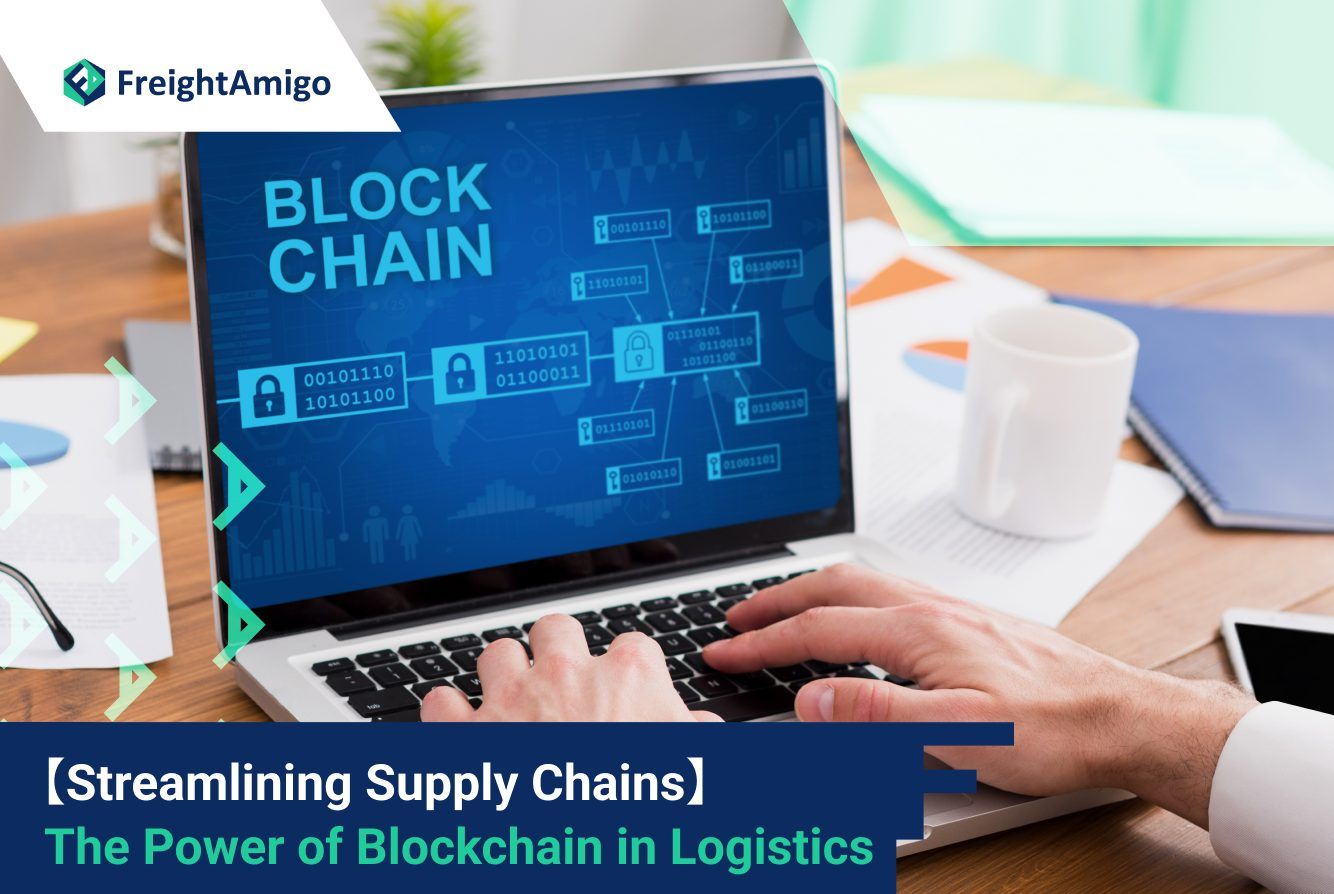
Streamlining Supply Chains: Blockchain in Logistics 2025
TL;DR: Blockchain's Power in Streamlining Supply Chains 2025
Blockchain revolutionizes supply chain logistics in 2025 Discover key benefits, case studies, and implementation strategies to overcome logistics challenges.
Why Blockchain is Essential for Supply Chain Logistics in 2025
Supply chain logistics faces growing pressures from global disruptions and regulatory changes in 2025. Blockchain technology provides decentralized ledgers for immutable records, addressing visibility gaps effectively.
- Real-time visibility into shipments worldwide
- Automated compliance with 2025 trade regulations
- Reduced fraud risks in international logistics
- Faster cross-border transaction processing
These features make blockchain a cornerstone for modern supply chain management.
Key Challenges in Traditional Supply Chain Management
Conventional supply chains struggle with inefficiencies that blockchain directly resolves. In 2025, issues like delayed shipments and data silos persist amid rising demands.
| Challenge | Impact | Blockchain Solution |
|---|
| Lack of transparency | Delays & errors | Distributed ledger tracking |
| High intermediary costs | Increased expenses | Smart contracts automation |
| Fraud vulnerability | Financial losses | Immutable records |
| Manual paperwork | Time inefficiencies | Digital verification |
This table highlights how blockchain streamlines supply chains effectively.
How Blockchain Technology Works in Logistics 2025
Blockchain operates as a secure, shared database for logistics transactions. Each block links cryptographically, ensuring tamper-proof supply chain data.
- Transaction initiation across network nodes
- Consensus validation by participants
- Block addition to the chain
- Smart contract execution for automation
In 2025, enhanced scalability supports high-volume logistics operations seamlessly.
Top Benefits of Blockchain for Streamlining Supply Chains
Blockchain delivers measurable gains in supply chain efficiency by 2025. From cost savings to risk reduction, its impact is profound.
- Traceability: Track goods from origin to delivery instantly
- Cost Savings: Cut intermediary fees by up to 30%
- Security: Prevent tampering with cryptographic hashes
- Compliance: Automate audits for 2025 regulations
- Efficiency: Speed up processes with smart contracts
These advantages transform logistics into resilient networks.
Real-World Case Studies: Blockchain in Supply Chains 2025
2025 implementations showcase blockchain's practical power in logistics. Recent projects highlight national regulatory shifts boosting adoption.
- European food supplier: Achieved 95% faster traceability post-2025 EU rules
- Asian electronics firm: Reduced fraud by 75% via product tokenization
- US pharmaceutical network: Ensured cold chain compliance with IoT integration
- Middle East oil logistics: Streamlined payments across borders
These cases prove blockchain's role in streamlining supply chains amid 2025 changes.
How to Implement Blockchain in Your Supply Chain Logistics
Adopting blockchain requires a step-by-step approach for logistics success. Follow this 2025 guide to integrate effectively.
- Assess Needs: Identify pain points in current supply chain
- Choose Platform: Select scalable blockchain like Hyperledger
- Pilot Test: Run trials on key routes
- Integrate Systems: Link with ERP and IoT devices
- Scale Up: Expand network-wide post-validation
This how-to ensures smooth blockchain adoption in logistics.
Overcoming Blockchain Adoption Barriers in 2025 Logistics
Common hurdles in blockchain rollout are addressable with strategy. 2025 national changes demand proactive solutions.
- Scalability fixes via layer-2 solutions
- Legacy integration through APIs
- Regulatory alignment with WCO guidelines
- Stakeholder training programs
Proactive measures ensure successful supply chain streamlining.
Future Trends: Blockchain Enhancing Supply Chains Beyond 2025
Emerging integrations will amplify blockchain's logistics impact. Expect AI and IoT synergies by 2027.
- AI-driven predictive logistics
- Quantum-resistant encryption
- Sustainable tracking for carbon footprints
- Global interoperability standards
These trends position blockchain as vital for future supply chains.
FAQs: Blockchain in Supply Chain Logistics 2025
- What does blockchain do for supply chain logistics? Provides immutable tracking and automation for transparency.
- How does blockchain streamline supply chains? Eliminates intermediaries via smart contracts, speeding processes.
- Is blockchain secure for logistics in 2025? Yes, cryptographic methods ensure tamper-proof records.
- Which industries use blockchain in supply chains? Food, pharma, electronics, and manufacturing lead adoption.
- Can blockchain reduce logistics costs? Absolutely, by automating documentation and cutting fees.
- What are smart contracts in blockchain logistics? Self-executing codes that automate agreements instantly.
- How does blockchain improve traceability? Enables end-to-end visibility from source to destination.
- What 2025 changes boost blockchain in logistics? National regulations mandate digital transparency standards.
- Is blockchain scalable for large supply chains? 2025 advancements like sharding make it viable.
- How to start with blockchain in logistics? Begin with a pilot project on high-value shipments.
Conclusion: Unlock Blockchain for Streamlined Supply Chains
Blockchain powers efficient, transparent supply chain logistics in 2025. Businesses adopting it gain competitive edges through innovation.
Explore FreightAmigo for logistics support. Book a Demo today.
Contact: enquiry@freightamigo.com | HKG: +852 24671689 | CHN: +86 4008751689 | USA: +1 337 361 2833 | GBR: +44 808 189 0136 | AUS: +61 180002752








 Global Popular RoutesTop sea & air shipping lanes
 Special OfferLimited-time shipping promotions





 Express
 Document
 Parcel - Air/Sea
 Container
 Relocation