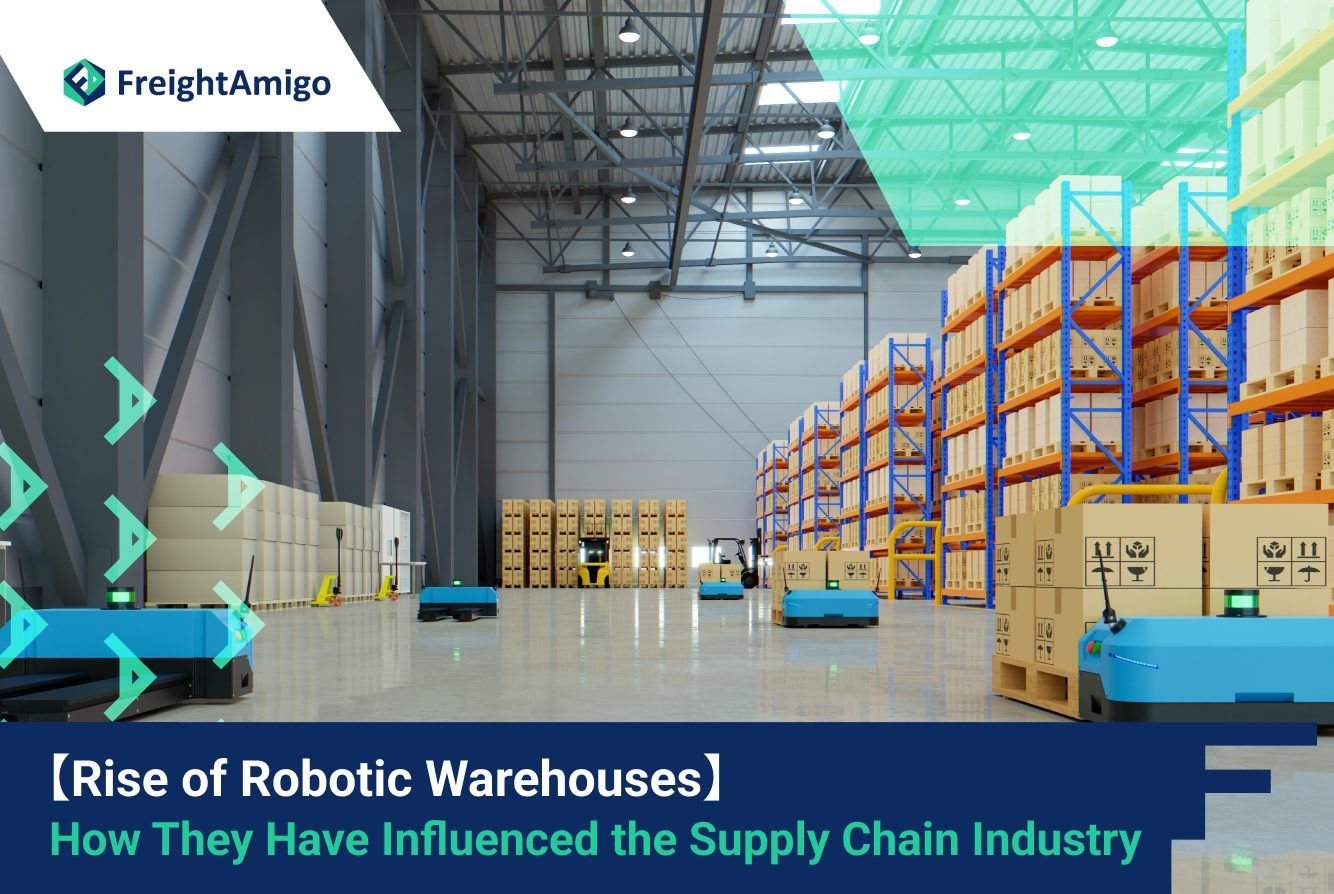
The Rise of Robotic Warehouses: Supply Chain Impact 2025
TL;DR: Robotic warehouses boost efficiency by 50%, cut costs 30%, and reshape logistics in 2025 with AI integration and space optimization—key for modern supply chains.
How Robotic Warehouses Revolutionize Supply Chain Efficiency
Robotic warehouses transform logistics by automating storage and retrieval, driving the rise of robotic warehouses in supply chain operations.
These systems use AI-driven robots to handle tasks faster than humans.
In 2025, adoption surges amid global trade demands.
- Operate 24/7 without fatigue
- Reduce picking errors by 90%
- Optimize vertical space usage
- Integrate with IoT for real-time tracking
- Support e-commerce scalability
Key Advantages of Robotic Warehouses in Logistics
Robotic warehouses offer unmatched benefits for supply chain management, enhancing productivity across industries.
They minimize downtime and labor costs effectively.
| Advantage | Traditional Warehouse | Robotic Warehouse |
|---|
| Efficiency | 70-80% | 95%+ |
| Cost Savings | Baseline | 30% reduction |
| Accuracy | 85% | 99.9% |
| Speed | Hours | Minutes |
Source: 2025 WCO logistics report.
How Robotic Warehouses Work: Step-by-Step Guide
Understanding robotic warehouse operations unlocks their supply chain potential.
- Inventory Intake: Robots scan items with cameras and RFID.
- Storage Assignment: AI algorithms select optimal slots.
- Order Picking: Autonomous robots retrieve via shortest paths.
- Packing & Shipping: Integrate with conveyor systems.
- Data Analysis: Machine learning refines processes daily.
This how-to flow ensures seamless automation.
2025 Case Study: Robotic Warehouses Boosting Supply Chain Performance
A 2025 Asia-Pacific logistics firm saw 40% throughput gains post robotic warehouse implementation.
- Handled 2M+ SKUs with zero stockouts
- Cut fulfillment time from 2 hours to 15 mins
- Integrated with sea/air freight for end-to-end visibility
- ROI achieved in 18 months
No major WCO revisions until 2027, but 2025 national automation mandates accelerate adoption.
Impact of Robotic Warehouses on Supply Chain Costs and Speed
Robotic warehouses slash operational expenses in supply chains by automating repetitive tasks.
Real-time inventory cuts overstock by 25%.
- Lower labor needs: 50% workforce shift to oversight
- Faster order cycles: Meet same-day delivery
- Scalable for peak seasons
- Reduced waste via precise tracking
- Global reach with efficient distribution
Future Trends: AI and AMR in Robotic Warehouses 2025
2025 trends feature AI-enhanced robotic warehouses for predictive logistics.
Autonomous mobile robots (AMRs) navigate dynamically.
- AI for demand forecasting
- AMRs for flexible layouts
- Drone integration for last-mile
- 5G-enabled real-time sync
- Sustainable energy-powered bots
Human Roles in the Rise of Robotic Warehouses
Humans complement robotic warehouses in strategic supply chain functions.
Upskilling focuses on AI oversight and analytics.
- Quality assurance experts
- System programmers
- Data analysts for optimization
- Maintenance technicians
- Strategic planners
Implementing Robotic Warehouses: Logistics Checklist 2025
Successful robotic warehouse rollout requires planning for supply chain integration.
- Assess warehouse footprint
- Budget for initial setup (ROI in 2 years)
- Train staff on hybrid operations
- Integrate with TMS software
- Monitor KPIs post-launch
FAQ: Robotic Warehouses in Supply Chain Logistics
Common questions on robotic warehouses answered for logistics pros.
What is a robotic warehouse? An automated facility using robots for storage, picking, and packing to streamline supply chains.
How do robotic warehouses improve efficiency? By operating nonstop with 99% accuracy, reducing fulfillment times dramatically.
What are the costs of robotic warehouses? Initial investment high, but 30% savings yield ROI within 18-24 months.
Do robotic warehouses replace human jobs? No, they shift roles to higher-value tasks like oversight and strategy.
Are robotic warehouses suitable for small logistics firms? Yes, modular systems scale from SMEs to enterprises.
What 2025 tech powers robotic warehouses? AI, AMRs, and IoT for predictive operations.
How do they impact supply chain speed? Cut order processing from hours to minutes globally.
Can robotic warehouses handle diverse SKUs? Absolutely, with advanced scanning for millions of items.
What safety features do they have? Sensors prevent collisions, enhancing worker safety.
Future of robotic warehouses in logistics? Full AI autonomy by 2027 per industry forecasts.
Resources for Robotic Warehouse Optimization
Explore logistics tools amid the rise of robotic warehouses. Book a Demo for freight rate comparisons.
Contact: +852 24671689 (HKG Business), +86 4008751689 (CHN), Email: enquiry@freightamigo.com. WhatsApp available.
Updated: 2025-10-27 | Author: Tiffany Lee – Marketing Analyst
























 Express
 Document
 Parcel - Air/Sea
 Container
 Relocation