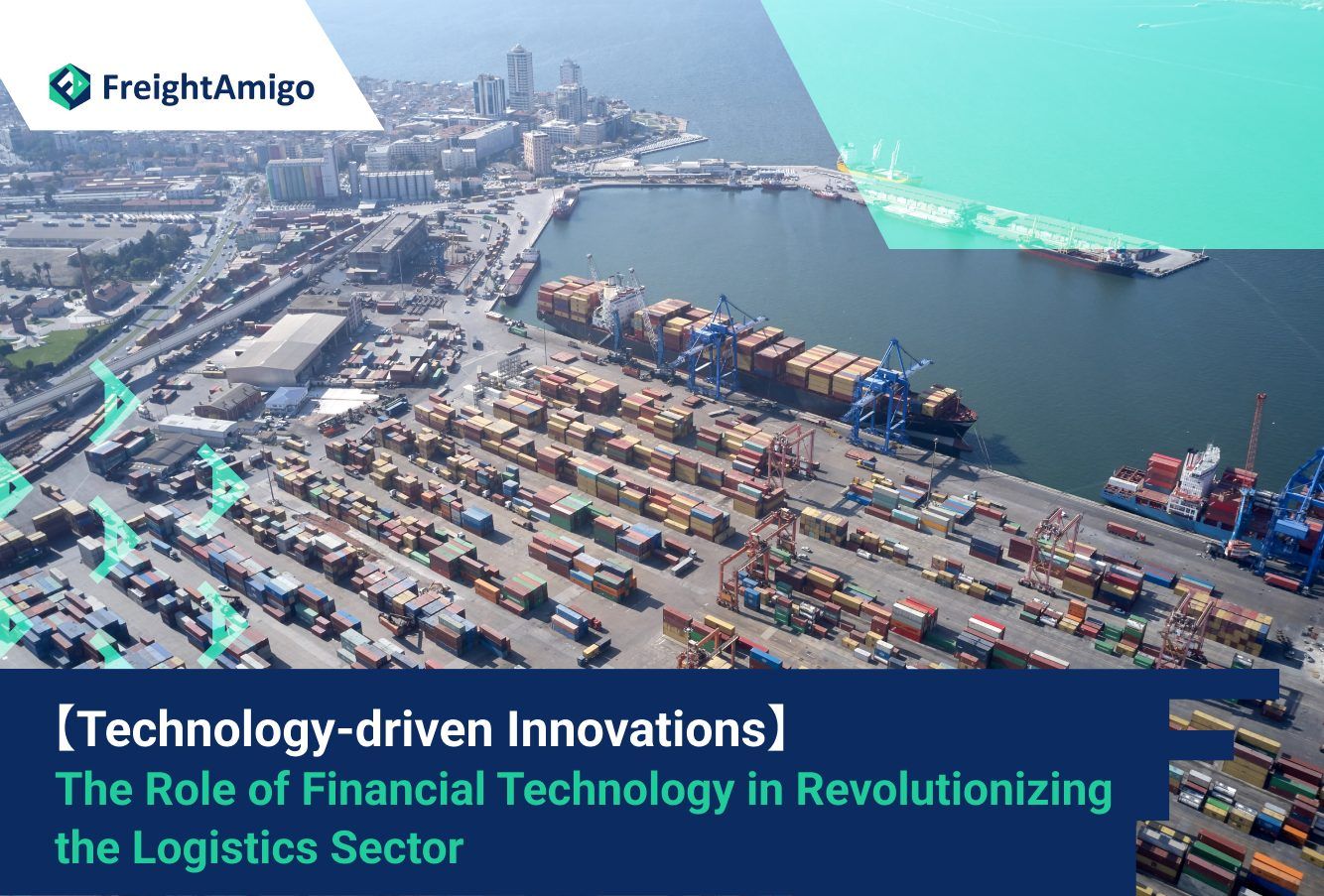
FinTech in Logistics: 2025 Technology-Driven Innovations
TL;DR
- Fintech revolutionizes logistics with digital payments, blockchain, AI analytics for 2025 efficiency gains.
- Key benefits: 30% faster cash flow, reduced errors, predictive risk management.
- Trends: RPA automation, ML forecasting amid 2025 national regulatory shifts.
- Real-world: 2025 case study shows 25% cost savings via integrated platforms.
Understanding FinTech in Logistics Fundamentals
Financial technology, or FinTech in logistics, uses digital tools to overhaul payments, invoicing, and financing in supply chains.
Logistics firms adopt FinTech solutions for seamless transactions. This cuts delays in global freight operations.
In 2025, FinTech integration addresses rising costs from fuel volatility and trade regulations.
- Automates invoicing with real-time data syncing.
- Enables instant cross-border payments.
- Supports supply chain financing for SMEs.
- Reduces manual errors by up to 40%.
- Enhances transparency via digital ledgers.
How Data Analytics Powers FinTech in Logistics
Data analytics supercharges FinTech in logistics by delivering actionable insights from vast operational datasets.
Companies analyze shipment data, customer patterns, and market trends for optimized decisions.
2025 updates include AI-driven tools handling IoT sensor data from containers.
| Metric | Traditional | FinTech + Analytics |
|---|
| Cash Flow Speed | 30 days | 3 days |
| Error Rate | 5% | 0.5% |
| Forecast Accuracy | 70% | 95% |
Leveraging Data Analytics for Logistics Financial Decisions
Demand forecasting via data analytics transforms FinTech in logistics financial planning.
Historical data predicts peaks, optimizing inventory without excess stock.
In 2025, ML models incorporate geopolitical shifts for precise projections.
- Collect sales and external data.
- Apply ML algorithms for patterns.
- Generate forecasts with 95% accuracy.
- Adjust pricing dynamically.
- Monitor real-time variances.
Enhancing Cash Flow Management with FinTech Tools
FinTech in logistics excels in cash flow management through real-time visibility and automation.
Track inflows/outflows instantly to avoid shortages. Predictive tools flag delays early.
2025 national changes, like EU digital invoicing mandates, amplify these tools' value.
- Dynamic payment scheduling.
- Automated supplier reconciliations.
- Working capital optimization.
- Alert systems for bottlenecks.
Streamlining Invoicing and Payments in Logistics
Automated invoicing via FinTech in logistics eliminates paperwork and accelerates collections.
Generate bills from shipment data automatically. Digital wallets speed settlements.
Benefits peak in high-volume air/sea freight scenarios.
- Error-free invoice creation.
- Multi-currency support.
- Blockchain-verified payments.
- Integration with ERP systems.
- Compliance with 2025 regs.
Improving Risk Management Using FinTech Innovations
Risk analytics in FinTech for logistics identifies threats like supply disruptions proactively.
Predict fuel price spikes or port delays using historical trends.
2025 case study: Asia-Pacific firm cut risks 35% with predictive models.
Build resilience against uncertainties.
Blockchain's Role in Secure Logistics FinTech
Blockchain enhances FinTech in logistics with tamper-proof transaction records.
Ideal for cross-border freight tracking payments securely.
No intermediaries mean lower fees; transparency builds trust.
- Real-time audit trails.
- Fraud prevention.
- Smart contracts for auto-payments.
- 2025 WCO-aligned standards.
AI and Machine Learning in Logistics Financial Analytics
AI/ML drive advanced FinTech analytics in logistics for predictive power.
Process big data from sensors for pricing and demand insights.
2025 trends: Personalized financing offers boosting SME growth.
Future FinTech Trends Revolutionizing Logistics 2025
2025 FinTech in logistics forecasts explosive growth in RPA and predictive tools.
National regulatory shifts demand adaptive platforms. No WCO overhaul until 2027, but local changes dominate.
- RPA for invoice automation.
- IoT-integrated predictions.
- Embedded finance in TMS.
- Quantum-secure blockchain.
- Sustainable financing models.
FAQ: FinTech in Logistics Explained
Quick answers to common queries on technology-driven FinTech innovations.
What is FinTech in logistics?
Digital tools automating payments, financing, and analytics in supply chains.
How does blockchain improve logistics payments?
It provides secure, transparent ledgers reducing fraud and intermediaries.
Can AI predict logistics cash flow issues?
Yes, ML analyzes patterns for real-time alerts and optimizations.
What 2025 changes affect FinTech adoption?
National digital invoicing mandates accelerate platform integrations.
Does FinTech reduce logistics costs?
Typically 20-30% via automation and efficient capital management.
How to implement FinTech in freight operations?
Start with invoicing tools, scale to AI analytics and blockchain.
Is FinTech secure for cross-border logistics?
Advanced encryption and blockchain ensure compliance and safety.
What role does data analytics play?
It powers forecasts, risk assessment, and decision-making accuracy.
Will RPA replace finance teams in logistics?
No, it handles repetitive tasks, freeing staff for strategy.
What's next for FinTech in logistics post-2025?
AI-driven embedded finance and sustainable funding models.
Conclusion: Embrace FinTech for Logistics Success
FinTech innovations propel logistics into efficient, data-driven futures. For tailored implementations, Book a Demo today.
Contact: HKG Business: +852 24671689 / +852 23194879 | Personal: +852 28121686 / +852 23194878 CHN: +86 4008751689 | USA: +1 337 361 2833 | GBR: +44 808 189 0136 | AUS: +61 180002752 Email: enquiry@freightamigo.com











 Express
 Document
 Parcel - Air/Sea
 Container
 Relocation