





 Express
 Document
 Parcel - Air/Sea
 Container
 Relocation


If you have any inquiries on logistics/supply chain, feel free to contact FreightAmigo now:
Chat with us online | Hotline: +852 28121686 | WhatsApp: +852 27467829








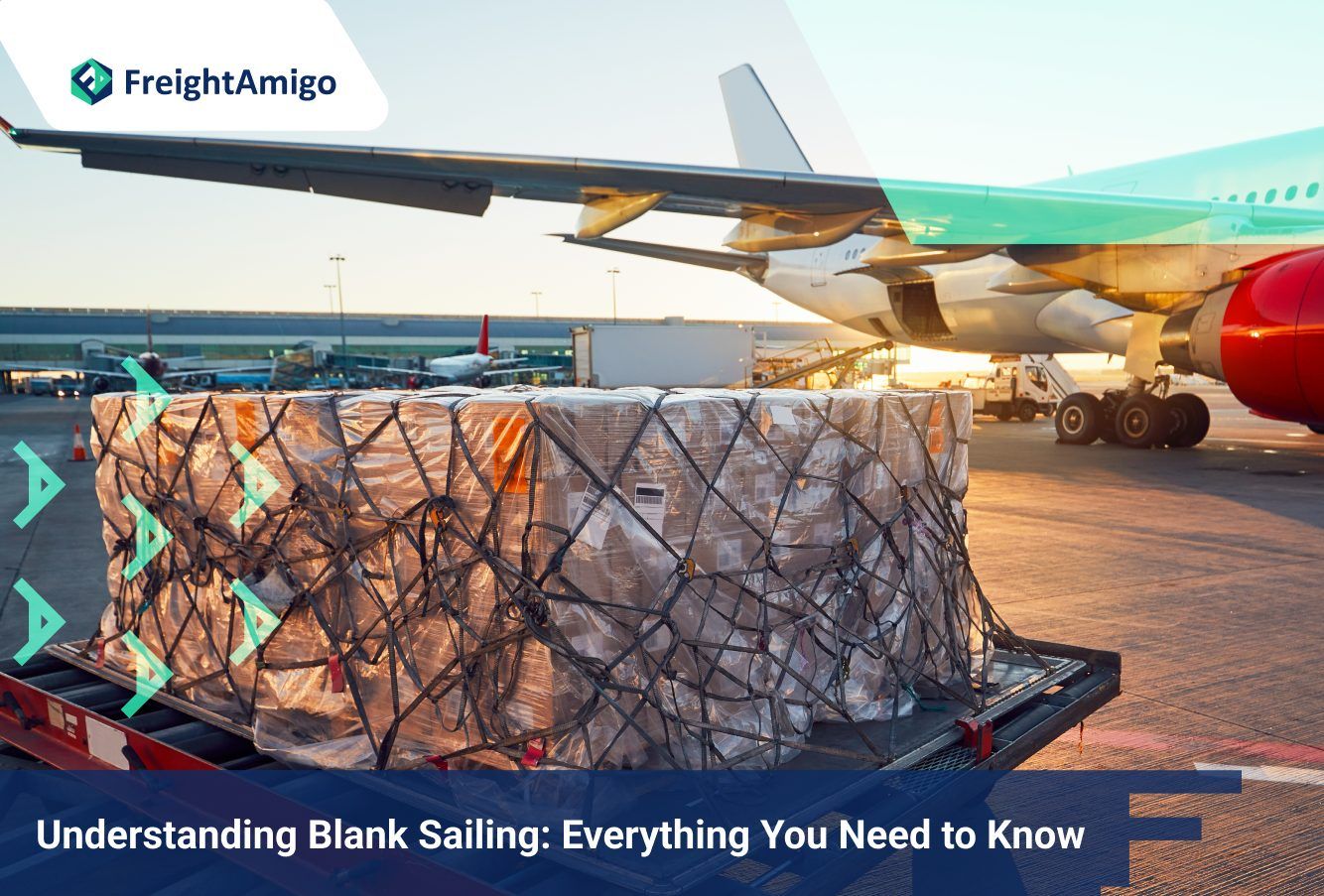
If you’re new to the shipping industry or just curious about this term, you’ve come to the right place. FreightAmigo provides this article to help you understand blank sailing. In this article we’ll explain what blank sailing is, discuss the reasons behind it, explore its different types, highlight the advantages and disadvantages and provide helpful strategies for both shippers and carriers.
Blank sailing, also known as void sailing or cancelled sailing, occurs when a scheduled voyage is cancelled by a shipping line. This means that a ship scheduled to carry goods from one port to another will not make the voyage at the scheduled time. Instead, it sits idle or is diverted to another route. Blank sailing is a common occurrence in the shipping industry and is influenced
There are several reasons why empty sailing occurs. One of the main causes is an imbalance between supply and demand. Shipping lines carefully plan their routes based on expected cargo volumes. However, unforeseen circumstances such as a drop in demand or an unexpected increase in supply can upset this balance. To avoid sailing with partially empty vessels, shipping lines opt for empty sailing to save costs and ensure operational efficiency. In addition, external factors such as labour strikes, natural disasters or geopolitical issues can also lead to empty sailing as ships are unable to operate in such conditions.
Blank sailing can be divided into two main types: planned and unplanned blank sailing. Planned blank sailing refers to a pre-determined cancellation of a voyage due to anticipated low demand or operational optimisation. Shipping lines often publish their schedules well in advance and, if they anticipate a shortage of cargo, they may decide to cancel a particular voyage. On the other hand, unplanned empty sailing occurs as a result of unforeseen events such as equipment breakdowns, port congestion or even a sudden change in market conditions. Unplanned empty sailing is more disruptive as it is not pre-planned and can create logistical challenges for both shippers and carriers.
Blank sailing has both advantages and disadvantages for the shipping industry. On the positive side, it helps shipping lines to optimise their operations by reducing the costs associated with sailing partially empty vessels.
If you’re a shipper faced with the challenge of blank sailing, there are several strategies you can employ to minimise its impact on your business. Firstly, it’s vital to maintain open communication with your shipping line or freight forwarder.
For carriers, managing empty sailing requires careful planning and proactive measures. One strategy is to implement dynamic pricing based on market demand.
As the shipping industry continues to evolve, it’s important to look to the future of Blank Sailing. One trend we can expect to see is the increased use of technology and data analytics to optimise operations. Advances in artificial intelligence and machine learning will provide shipping lines and carriers with better tools to forecast demand, manage capacity and reduce the occurrence of blank sailing. We may also see a shift towards more flexible shipping solutions, such as just-in-time logistics and agile supply chains. These approaches can minimise the need for empty sailing
Before we dock at the end of our journey, it’s important to emphasise the importance of understanding blank sailing in the shipping industry. Blank sailing is not just an inconvenience, but a complex phenomenon influenced FreightAmigo can help you choose the best solutions!
If you have any inquiries on logistics/supply chain, feel free to contact FreightAmigo now:
Chat with us online | Hotline: +852 28121686 | WhatsApp: +852 27467829