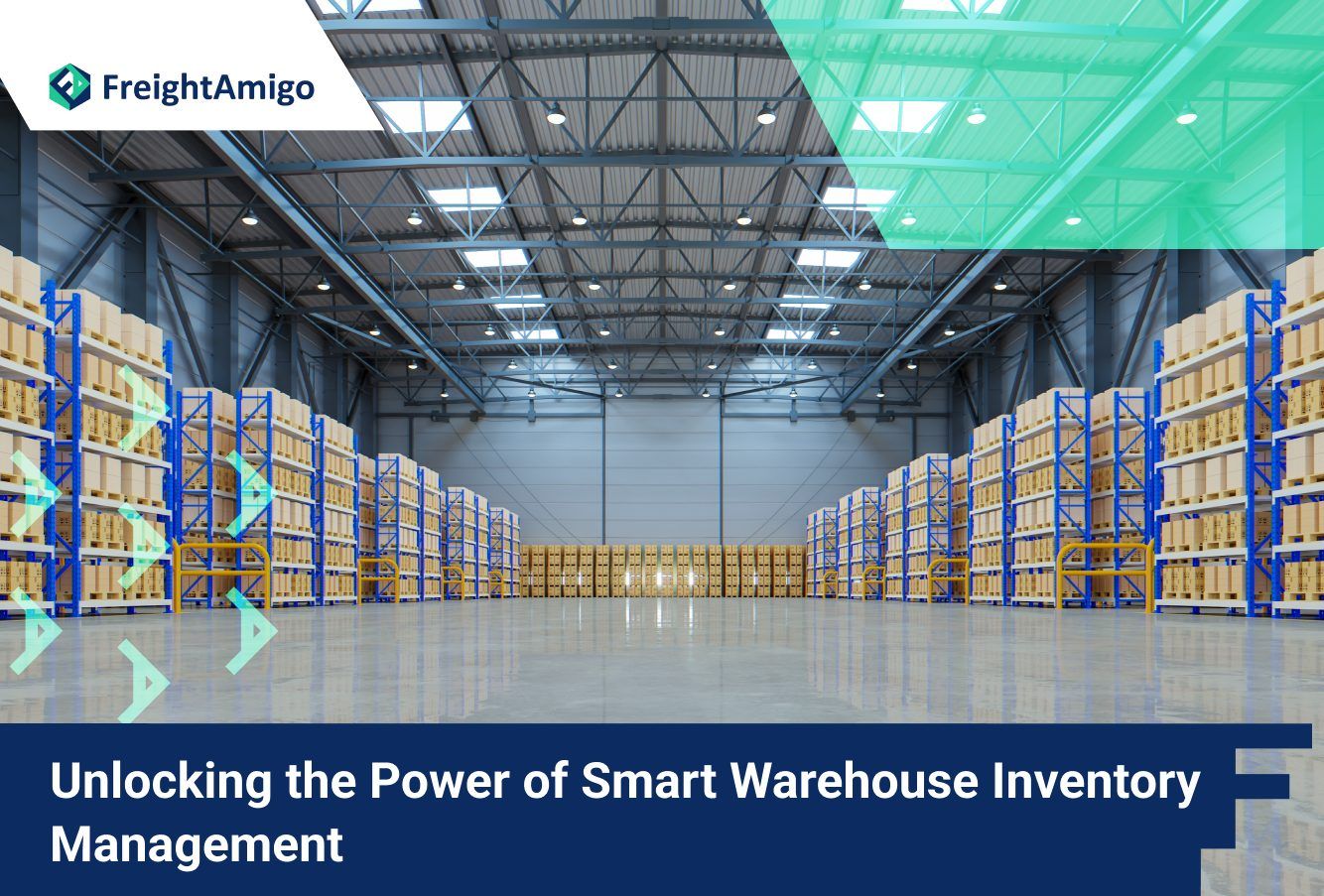
Why Smart Warehouse Inventory Management Matters in 2025
**In 2025, smart warehouse inventory management is transforming logistics time visibility.** With global supply chains facing disruptions, businesses need precise stock control to thrive.
- Reduces stockouts by 25% through predictive analytics.
- Optimizes space utilization in dynamic warehouses.
- Supports multi-location inventory tracking.
- Enhances compliance with 2025 national logistics regulations.
- Drives data-driven decisions for faster fulfillment.
National changes in 2025 emphasize digital inventory systems—no major WCO revisions until 2027, but local mandates demand smart tech adoption.
Key Benefits of Real-Time Inventory Visibility
**Real-time inventory visibility empowers supply chain managers with instant data on stock levels and movements.** This foundation of smart warehouse inventory management prevents costly errors.
- Cost Savings: Cuts holding costs by avoiding overstock.
- Demand Response: Meets peaks without delays.
- Error Reduction: Minimizes manual counting mistakes.
- Scalability: Handles global warehouse networks.
- Transparency: Tracks items across locations seamlessly.
Smart Resource Allocation in Warehouses
**Smart resource allocation uses AI to direct labor and space where needed most.** In 2025, this optimizes warehouse flows amid rising e-commerce demands.
- Prioritize high-turnover SKUs for prime locations.
- Automate reallocation based on real-time demand.
- Integrate with logistics for just-in-time stocking.
A 2025 case study from a Hong Kong logistics firm showed 20% efficiency gains via AI-driven allocation.
Accurate Forecasting with Smart Systems
**Accurate forecasting via machine learning predicts demand with 95% precision.** Smart warehouse inventory management turns data into actionable insights.
- Analyzes historical sales and trends.
- Incorporates external factors like seasonal shifts.
- Adjusts for 2025 supply chain volatility.
- Reduces excess inventory 20%.
- Enables proactive replenishment.
Maintaining Optimal Inventory Levels
**Optimal inventory levels balance supply and demand to maximize cash flow.** AI algorithms in smart systems prevent obsolescence and shortages.
| Challenge | Smart Solution | 2025 Impact |
|---|
| Overstocking | AI Threshold Alerts | -25% Holding Costs |
| Stockouts | Predictive Reordering | +30% Fulfillment Rate |
| Obsolescence | Dynamic Rotation | Reduced Waste |
AI Technologies Powering Warehouse Inventory Management
**AI technologies like computer vision and robotics elevate smart warehouse inventory management.** These tools automate tracking for unmatched accuracy.
- Machine Learning: Demand prediction.
- Computer Vision: Visual stock recognition.
- RFID/IoT: Real-time location tracking.
- Robotics: Automated picking and counting.
- NLP: Voice-directed operations.
How AI Transforms Daily Warehouse Operations
**AI transforms warehouse operations and-pack and logistics.** In 2025, expect productivity surges from integrated systems.
- Optimizes picker routes, cutting travel 40%.
- Enables voice-picking for hands-free efficiency.
- Automates audits, eliminating manual errors.
- Provides instant dashboards for managers.
- Integrates with ERP for end-to-end visibility.
FAQ: Smart Warehouse Inventory Management
**Frequently asked questions on implementing smart warehouse inventory management in 2025.**
- What is smart warehouse inventory management?
- A system using AI and IoT for real-time stock tracking and optimization.
- How does AI improve inventory accuracy?
- AI reduces errors by 90% through automated visual recognition and predictive analytics.
- What are 2025 trends in warehouse tech?
- Edge AI, robotics integration, and compliance with national digital mandates.
- Can small warehouses use smart systems?
- Yes, cloud-based solutions scale affordably for any size.
- How much ROI from real-time visibility?
- Typically 20-30% cost reduction within the first year.
- What about integration with logistics?
- Seamless APIs connect inventory to freight and fulfillment.
- Is data security ensured?
- Top systems use encryption and comply with 2025 regs.
- How to start smart inventory management?
- Assess current processes and pilot AI tools.
- Does it reduce labor needs?
- It shifts labor to higher-value tasks, not replaces.
- What's the future post-2025?
- Full autonomy with AI-human collaboration.
Conclusion: Future-Proof Your Warehouse
Smart warehouse inventory management in 2025 delivers efficiency, cost savings, and agility. Embrace AI for competitive edge in logistics.
For tailored advice, Book a Demo or contact: HKG: +852 24671689 | CHN: +86 4008751689 | Email: enquiry@freightamigo.com.











 Express
 Document
 Parcel - Air/Sea
 Container
 Relocation