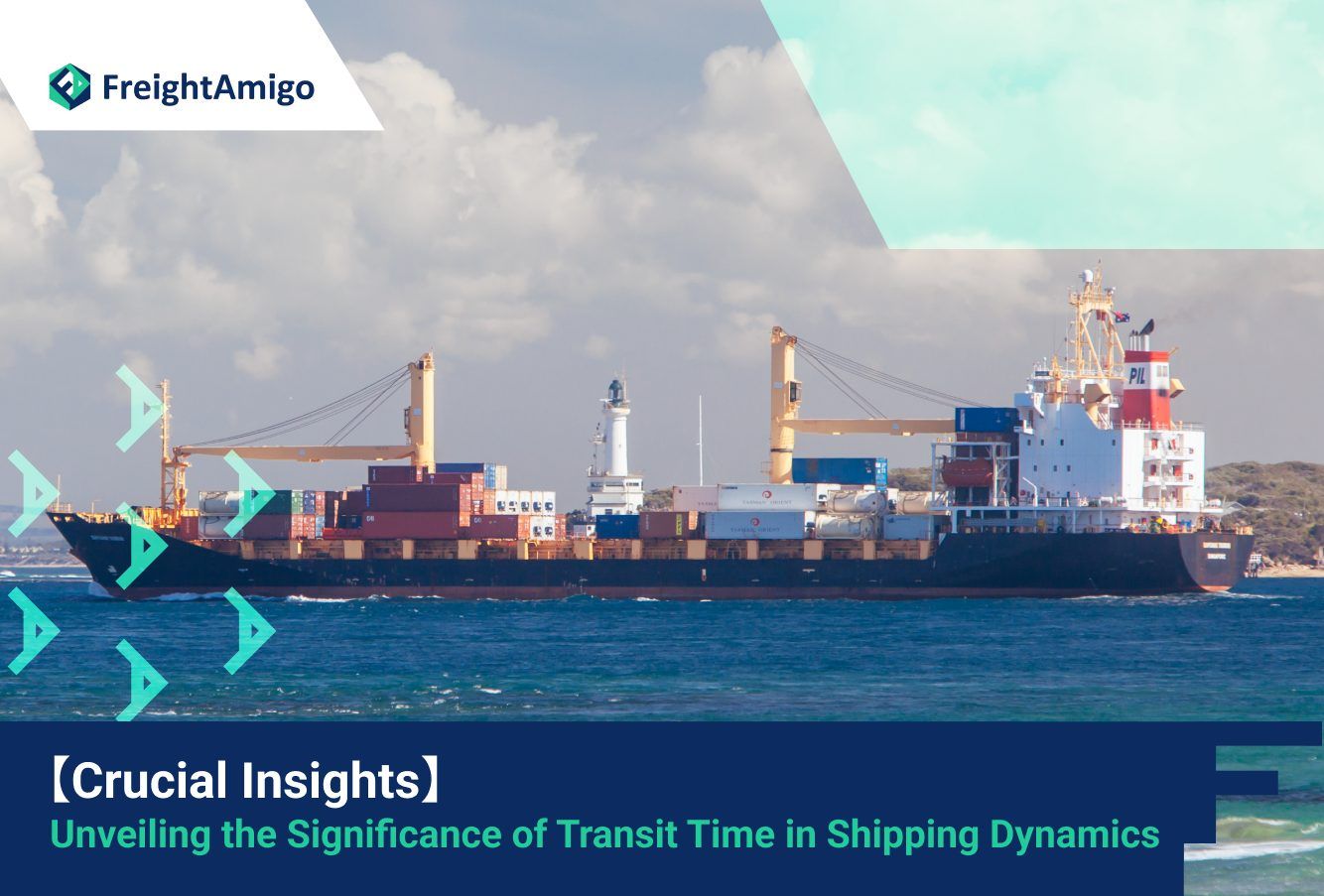
Unveiling the Importance of Transit Time in Shipping Dynamics
Transit time in shipping, often referred to as turnaround time, is the total duration cargo takes to travel from its pickup point at origin to final delivery at destination. For sea freight, ocean transit times typically range between 10 and 45 days depending on the route, vessel schedules, port operations, and external conditions such as weather or congestion. Understanding and accurately calculating transit time by sea enables businesses to optimize inventory, meet customer expectations, and reduce holding costs effectively.
As seasoned logistics professionals based in Hong Kong, we have witnessed firsthand how unpredictable ocean transit times can disrupt entire supply chains. A delayed vessel from Asia to Europe might mean missed production deadlines, excess inventory expenses, or lost sales opportunities. This is the hidden cost that many overlook until it impacts their bottom line. The solution lies in leveraging precise data, advanced tools, and strategic planning to turn transit time from a variable into a manageable asset.
Why This Guide Matters
- Gain expert insights into the key factors that influence ocean transit times and learn practical strategies to mitigate delays.
- Discover how data-driven tools can provide reliable estimates, helping you plan procurement, production, and distribution with confidence.
- Explore real-world examples and industry data that demonstrate how optimizing transit time enhances supply chain resilience and cost efficiency.
| Route (Port to Port) |
Average Transit Time (Days) |
Key Variables |
| Hong Kong to Los Angeles |
14-18 |
Weather, Panama Canal traffic, peak season demand |
| Hong Kong to Rotterdam |
28-35 |
Suez Canal status, Red Sea conditions, vessel capacity |
| Shanghai to New York |
30-38 |
Trans-Pacific routing, port congestion, carrier schedule reliability |
| Singapore to Hamburg |
22-28 |
Indian Ocean weather patterns, European port labor availability |
| Hong Kong to Sydney |
10-14 |
Direct routing availability, seasonal typhoon risks |
This data, drawn from our aggregated historical records and industry benchmarks in 2026, highlights the variability inherent in sea freight transit times. Our Instant Quote tool incorporates these variables to deliver realistic estimates tailored to your specific shipment.
Factors That Shape Ocean Transit Times
In our daily work supporting Hong Kong exporters and global importers, we consistently observe that transit time by sea is rarely just about distance. Multiple interconnected elements determine the actual duration from port departure to arrival. Distance remains foundational. Longer routes naturally require more days at sea, yet routing choices can significantly alter outcomes. A direct sailing from Hong Kong to Los Angeles typically achieves faster ocean transit times than routings with multiple transshipments.
Carrier schedules and vessel availability play equally critical roles. Major shipping lines publish sailing schedules weeks in advance, yet last-minute changes due to mechanical issues or repositioning can extend sea freight transit times by several days. We recommend consulting our Sailing Schedule tool, which provides visibility into departures for the next eight weeks across 250+ countries, allowing precise planning.
Port congestion represents one of the most unpredictable factors. During peak seasons, vessels may wait 3-7 days for berth access at busy hubs like Los Angeles or Rotterdam. Weather events, including typhoons in the Pacific or storms in the Atlantic, can force speed reductions or route deviations that add substantial time. Customs clearance procedures, particularly for shipments requiring extensive documentation or subject to regulatory scrutiny, further influence overall turnaround time.
Additional variables include cargo type and handling requirements. While standard containerized shipments experience minimal impact, oversized project cargo or temperature-controlled goods often require special arrangements that extend timelines. Seasonal demand fluctuations also matter. The period before major holidays typically sees increased port activity, leading to longer ocean transit times as terminals operate at capacity.
How to Accurately Calculate Sea Freight Transit Time
Calculating transit time between ports demands more than simple distance measurement. Modern sea freight time calculators integrate carrier data, historical performance, port operational statistics, and real-time variables to generate reliable estimates. At FreightAmigo, our approach combines these elements with artificial intelligence to move beyond generic averages toward shipment-specific predictions.
The process begins with identifying precise origin and destination ports rather than countries. A shipment from Hong Kong to the Port of Los Angeles differs markedly from one destined for Seattle in both duration and cost profile. Next, selecting the correct service type, whether direct or with transshipments, significantly affects the outcome. Our systems automatically evaluate multiple routing options to present the optimal balance between speed and reliability.
Users input cargo details including container type (FCL or LCL), volume, weight, and any special requirements. The sea freight transit time calculator then cross-references current sailing schedules, expected port dwell times, and historical delay patterns. What distinguishes our tool is its incorporation of buffer periods based on real-world data, acknowledging that unexpected events occur even in the best-planned operations.
For businesses managing complex supply chains, this capability transforms planning from guesswork to precision. Rather than allocating arbitrary weeks for ocean transit, procurement teams can align orders with exact production needs. Inventory managers reduce safety stock levels when they trust the accuracy of delivery projections. Sales teams provide customers with reliable ETAs that build confidence and competitive advantage.
Port-to-Port vs. Door-to-Door Transit Time Considerations
Many professionals focus exclusively on ocean transit time while underestimating the full door-to-door journey. Port-to-port shipping time covers only the maritime leg, yet the complete supply chain includes inland transportation, customs processing, and last-mile delivery. Our experience indicates that these additional phases can add 7-21 days depending on locations and efficiency of involved parties.
Consider a typical shipment from a Hong Kong manufacturer to a European retailer. The sea leg might require 30 days, but trucking to the port, customs formalities, ocean voyage, discharge handling, and final European trucking could extend total transit time to 45-55 days. Our integrated platform addresses this holistically, providing visibility across all stages rather than isolated segments.
This comprehensive perspective proves particularly valuable for time-sensitive goods. Fashion retailers planning seasonal collections or electronics manufacturers supporting just-in-time production require accurate end-to-end forecasts. By combining our sea freight expertise with real-time tracking capabilities, we help clients anticipate and mitigate delays at every step.
The Strategic Value of Optimizing Transit Time
Beyond operational planning, transit time directly influences financial performance. Each additional day of ocean transit represents capital tied up in goods in transit rather than generating returns. For high-value shipments, this inventory carrying cost can become substantial. Faster but more expensive air freight might prove more economical when total costs including inventory and potential lost sales are considered.
We have supported numerous Hong Kong-based businesses in reconfiguring their supply chains around optimized transit times. One electronics components exporter reduced average lead times by 12 days through strategic carrier selection and improved documentation processes. The result was not only lower inventory levels but enhanced customer satisfaction and repeat business.
Environmental considerations increasingly factor into these decisions. Longer transit times typically correlate with lower carbon emissions per shipment when using sea rather than air transport. Our AmiGo Green solutions help clients balance speed requirements with sustainability goals, identifying routes and methods that minimize environmental impact while meeting critical delivery windows.
Technology's Role in Modern Transit Time Management
The days of relying on static printed schedules have long passed. Today's leading logistics platforms employ artificial intelligence, machine learning, and real-time data feeds to predict and manage transit times with unprecedented accuracy. We continuously refine our algorithms using actual shipment data from thousands of weekly movements across global trade lanes.
This technological edge allows us to alert clients to potential delays before they occur. If a vessel experiences mechanical issues or a port announces labor disruptions, our systems recalculate affected ETAs and suggest alternatives. Such proactive management separates successful supply chains from those struggling with constant surprises.
Integration capabilities further enhance value. Our custom API solutions enable seamless data flow between clients' ERP systems and our logistics platform. Orders automatically generate accurate transit time projections, updating dynamically as conditions change. This automation reduces manual effort while improving data accuracy across procurement, logistics, and customer service teams.
Practical Tips for Minimizing Delays in Sea Shipping
From our years of experience managing complex Asian export operations, several practices consistently prove effective in reducing sea freight transit times. First, engage with reliable carriers and forwarders who maintain strong port relationships. Their established presence often translates to faster turnaround during congested periods.
Second, ensure all documentation is complete and accurate well before vessel cutoff dates. Discrepancies in commercial invoices, packing lists, or certificates trigger customs holds that extend overall timelines significantly. Our customs clearance expertise helps clients prepare documentation that meets destination requirements on the first submission.
Third, plan shipments outside peak congestion periods when possible. While not always feasible, avoiding the pre-holiday rushes or known maintenance windows at critical ports can shave days from total transit time. When peak shipping cannot be avoided, early booking secures better schedule options.
Fourth, consider consolidation strategies for LCL shipments. Working with experienced consolidators who optimize container utilization and select efficient routing can improve both cost and transit predictability. Our team provides guidance on the most suitable approach for each specific cargo profile.
Finally, leverage technology for visibility. Real-time tracking enables rapid response to unexpected situations. If a delay occurs, alternative arrangements can be made before the situation escalates. Our track and trace systems deliver exactly this capability, providing end-to-end visibility from factory to final destination.
FAQ
What is transit time in shipping and how does it differ from turnaround time?
Transit time in shipping refers to the period between cargo pickup at origin and delivery at destination. Turnaround time often specifically describes the duration a vessel spends in port between arrival and departure. Both concepts are critical for planning, but transit time encompasses the entire journey while turnaround time focuses on port operations. Our tools help distinguish and calculate both accurately for effective supply chain management.
What are the primary factors affecting ocean transit times between ports?
Key factors include geographic distance, chosen shipping routes, carrier schedules and reliability, weather conditions, port congestion levels, and customs clearance efficiency. Additional influences include seasonal demand fluctuations, vessel capacity utilization, and any special handling requirements for the cargo. Our sea freight transit time calculator incorporates these variables to generate realistic estimates based on current conditions.
How accurate are sea freight time calculators for predicting actual arrival dates?
Sea freight time calculators provide reliable estimates based on historical data, current schedules, and identified variables. However, they remain estimates rather than guarantees due to unpredictable events like severe weather or unexpected port disruptions. We build buffer periods into our calculations and offer real-time updates through our tracking systems to maintain accuracy throughout the journey.
Does shipping method (FCL versus LCL) significantly impact transit time by sea?
For standard containerized cargo, the difference between FCL and LCL transit times is typically minimal on the ocean leg. However, LCL shipments may require additional time for consolidation and deconsolidation at origin and destination ports. Special cargo requiring unique arrangements will experience extended timelines regardless of FCL or LCL status. Our Instant Quote tool clearly presents these differences for informed decision making.
How do seasonal variations affect sea shipping transit times?
Seasonal demand significantly influences ocean transit times, particularly before major holidays or during peak manufacturing periods. Increased volumes lead to port congestion, longer vessel waiting times, and occasionally capacity shortages that force indirect routings. Our systems account for these seasonal patterns, providing adjusted estimates that reflect historical performance during comparable periods.
How can businesses effectively optimize and reduce transit time in their shipping operations?
Businesses can optimize transit time by selecting direct routings when available, booking well in advance, ensuring complete documentation, partnering with reliable carriers, and utilizing technology for real-time visibility. Planning around known congestion periods and maintaining flexible inventory strategies also helps. Our comprehensive platform combining sailing schedules, instant quotes, and tracking tools supports these optimization efforts across global trade lanes.
Conclusion
Transit time remains one of the most critical yet often misunderstood elements of international shipping. By developing deep understanding of ocean transit times, utilizing advanced calculation tools, and implementing strategic optimization practices, businesses can transform potential vulnerabilities into competitive advantages. The difference between reactive firefighting and proactive planning frequently determines success in today's fast-paced global markets.
At FreightAmigo, we remain committed to providing the insights, technology, and support necessary for effective transit time management. Whether you manage complex global supply chains or occasional international shipments, our solutions deliver the visibility and control required for confident decision-making. Visit our Instant Quote tool today to experience how precise transit time calculations can enhance your logistics operations.








 Global Popular RoutesTop sea & air shipping lanes
 Special OfferLimited-time shipping promotions





 Express
 Document
 Parcel - Air/Sea
 Container
 Relocation