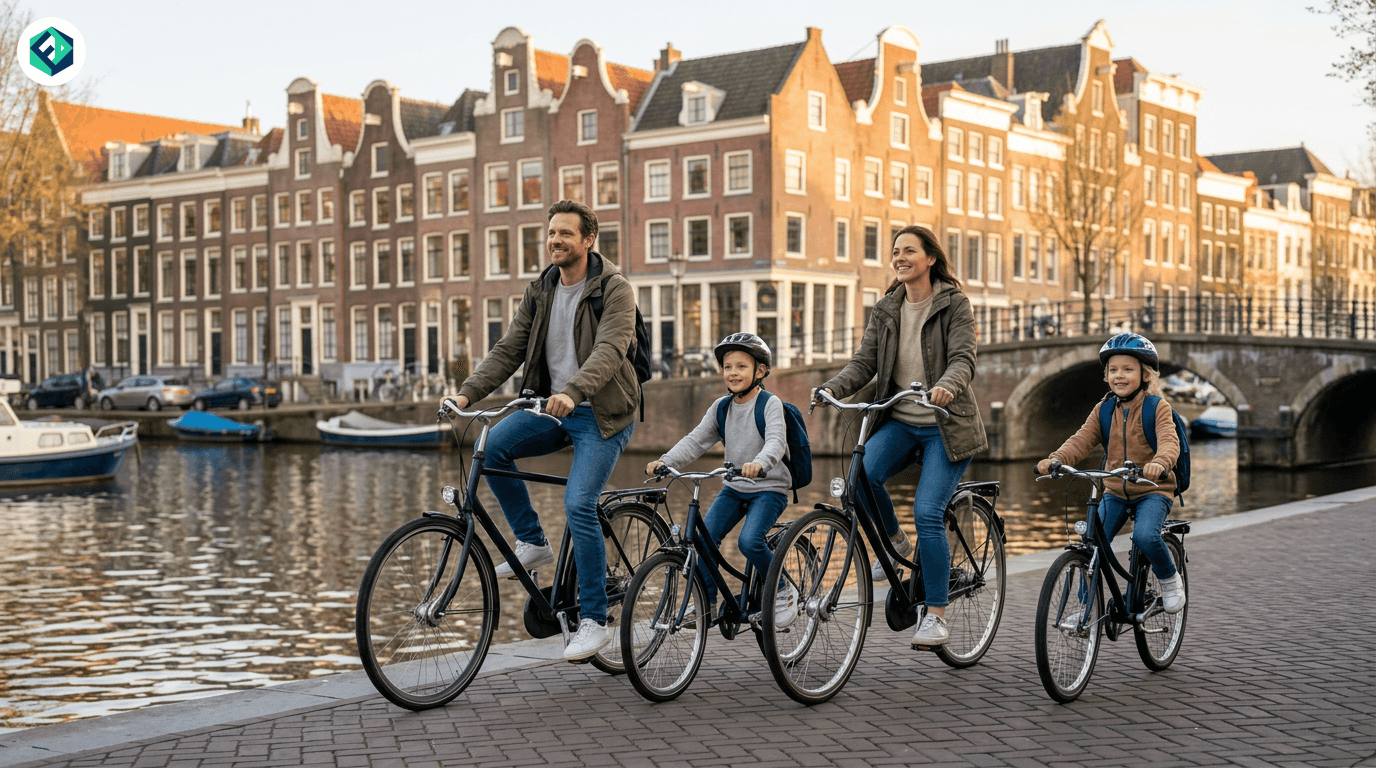
Crucial Netherlands Family Relocation Mistakes to Avoid in 2026
Relocating your family to the Netherlands in 2026 is an exciting venture filled with the promise of scenic canals, historic towns, and a high quality of life. However, executing a cross-border move with children requires meticulous planning and a deep understanding of local administrative, financial, and cultural systems. Many families face unexpected hurdles because they overlook critical timelines or misunderstand local regulations. By analyzing the experiences of those who have navigated this transition, you can avoid common pitfalls and ensure a seamless integration. This guide outlines the essential areas where expatriate families frequently make missteps and provides actionable strategies to guarantee a successful relocation.
Why You Should Start Learning the Dutch Language Early
One of the most common mistakes families make when moving to the Netherlands is assuming that widespread English proficiency makes learning Dutch unnecessary. Relying solely on English can severely limit your integration and your family's sense of belonging. To fully connect with your local community, start to learn the Dutch language early. Early language acquisition is particularly beneficial for children, who must adapt to Dutch-speaking environments in local schools, sports clubs, and neighborhoods.
If you want to speak Dutch with confidence, beginning your education months before departure is crucial. You can enroll your children and yourself in a specialized Dutch language school, or taalschool, which offers structured integration pathways. According to official guidelines from the Dutch Education Executive Agency (DUO), formal integration (inburgering) under the Wet inburgering 2021 involves structured language learning routes, such as the B1-route, which scales language capability up to the B1 level after extensive study (DUO Inburgering, 2025-2026). Even if you are not legally required to undergo formal integration, voluntarily practicing early helps prevent isolation. Incorporating simple Dutch words into your daily family routines is an excellent way to practice learning Dutch together.
Understanding and Navigating Dutch Healthcare and Insurance Policies
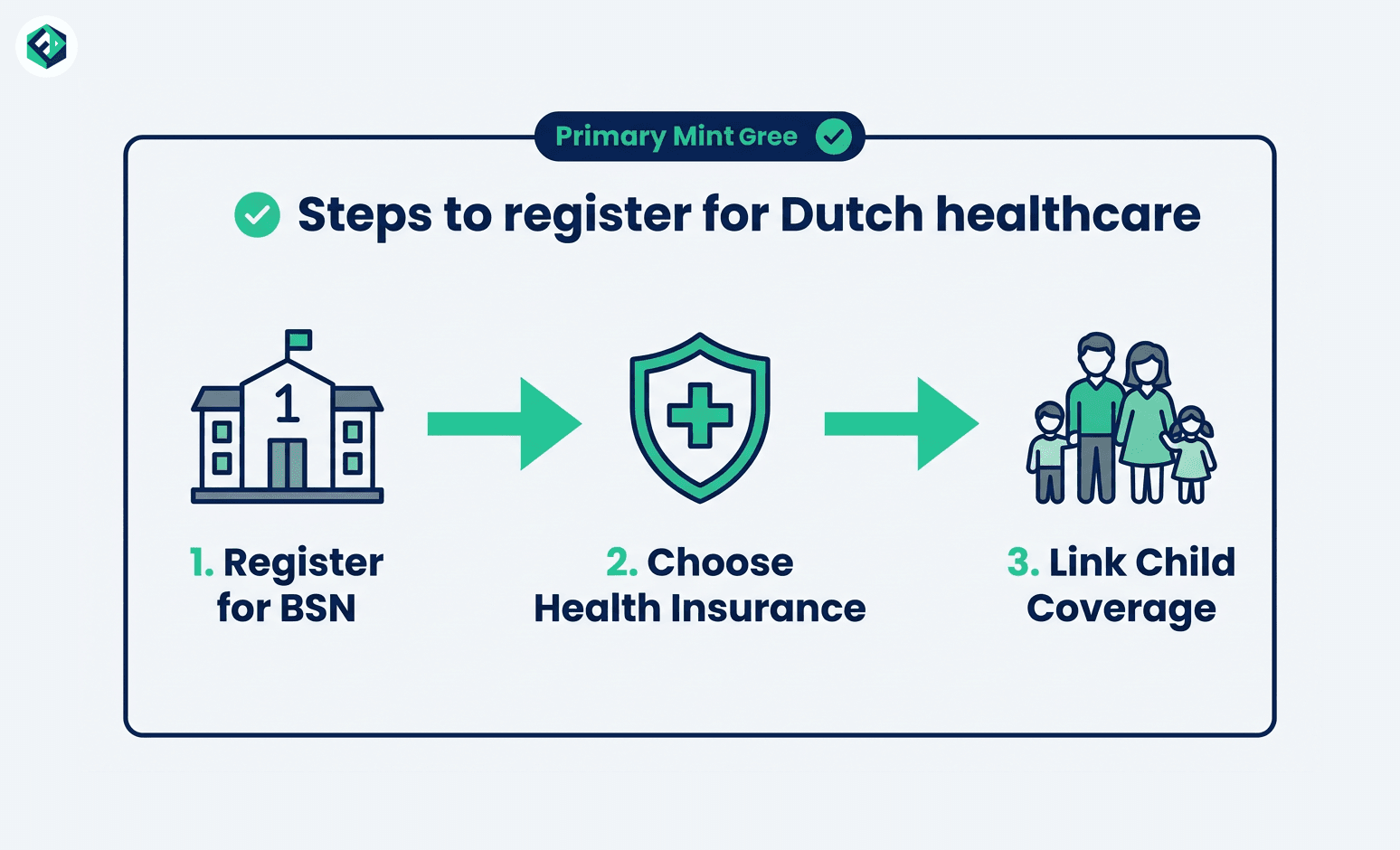
Navigating a new medical system is always challenging, and the Dutch healthcare system is no exception. A frequent mistake among expatriates is delaying the purchase of health insurance, assuming their international travel insurance or employer's policy will suffice long-term. In the Netherlands, basic health insurance (zorgverzekering) is legally mandatory for all residents. To register for this insurance, every family member, including children, must first obtain a burgerservicenummer (BSN), which is the Dutch national identification number (Belastingdienst BSN, 2026).
Upon arrival, your first priority must be to register with your local municipality to receive your BSN. Once you have this number, you have four months to enroll in a basic healthcare policy. Failure to do so can result in retroactive premiums and fines. For families, understanding child health coverage in the Netherlands is essential. Children under the age of 18 are covered for free under their parent's basic policy, but they must still be formally registered with the insurance provider (Belastingdienst Toeslagen, 2026). Always ensure your child's BSN is linked directly to your health insurance policy immediately after municipal registration to avoid gaps in coverage.
Applying for the Thirty Percent Ruling Tax Advantage
For highly skilled migrants, the 30 percent ruling in the Netherlands is a significant financial incentive that can make the transition to a higher cost of living much more manageable. This Dutch tax advantage allows employers to pay 30 percent of an eligible employee's salary tax-free, helping to offset extraterritorial costs. However, many expats miss out on this benefit because they fail to meet the strict eligibility criteria or miss the application deadlines.
To qualify for the highly skilled migrant tax benefit in 2026, you must meet specific annual taxable income thresholds. According to the Dutch Tax Administration, the standard taxable annual wage threshold for 2026 is set at 48,013 euros, excluding the tax-free allowance (Belastingdienst 30% Ruling, 2026). For academic employees under the age of 30 holding a master's degree, the threshold is 36,497 euros (Belastingdienst Expertise Requirement, 2026). Additionally, you must not have lived within 150 kilometers of the Dutch border for more than 16 of the 24 months preceding your employment. The employer and employee must jointly submit the application using official forms (Belastingdienst Forms, 2026). To receive the tax break retroactively, the application must be submitted within four months of your start date.
Adapting to the Balanced Dutch Work and Life Culture
Relocating is not just about logistics; it is also about adjusting to a new lifestyle. Many professionals coming from intense work environments struggle to adapt to the balanced Dutch work-life culture. In the US, work culture is often characterized by long working hours, constant smartphone connectivity, and a habit of skipping lunch breaks (Business Insider, 2019). This intense lifestyle can lead to physical and psychological distress, as seen in extreme cases where severe burnout forces individuals to relocate globally to seek relief (Business Insider, 2025).
In contrast, the work culture in the Netherlands places a premium on personal time, family, and efficiency. Embracing this shift is crucial for avoiding expat burnout and managing expat stress. Shifting your mindset to "work to live" rather than "live to work" is essential for a healthy transition (Business Insider, 2025). By actively participating in this healthy work mentality, you protect your mental health and set a positive, balanced example for your children.
Planning Strategic International Currency Exchanges for Your Move
Moving your life across borders requires substantial capital, and failing to manage your funds strategically can lead to financial losses. Many expats make the mistake of relying on traditional banks for their international currency exchange needs. Traditional financial institutions often charge high hidden fees and offer unfavorable exchange rates, which quickly eat into your relocation budget.
Fluctuations in the dollar-to-euro rate can have a dramatic impact on your purchasing power. For example, expats earning in US dollars but paying expenses in euros have experienced unexpected rent spikes of hundreds of dollars in a single month due to volatile currency markets (Business Insider, 2025). To mitigate these risks, you must plan your transfers strategically and avoid unnecessary bank charges. To protect your relocation budget, gaining full transparency over your physical shipping expenses is just as critical as optimizing currency rates. By using an advanced digital platform to compare international shipping rates, you can secure the most cost-effective routes for your belongings. To plan your moving budget with complete cost visibility, you can easily obtain an Instant Quote online today.
Practical Tips for a Successful Family International Relocation
Moving abroad with kids introduces a unique set of emotional and logistical demands. A successful family international relocation relies on early, transparent planning and involving your children in the process. Creating detailed relocation spreadsheets for your cross-border move planning helps keep track of school applications, medical records, and visa timelines, reducing the overall stress of the transition.
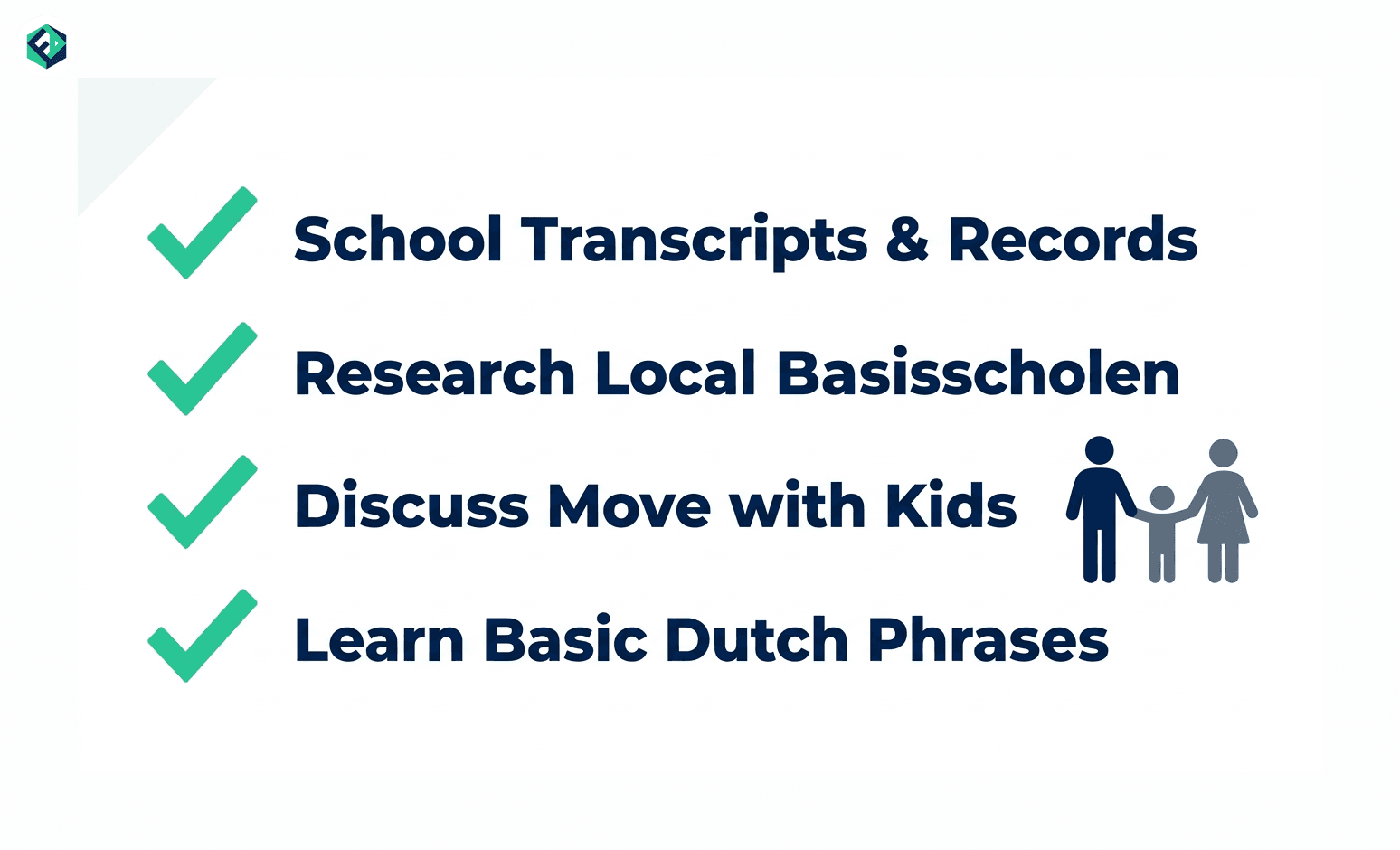
When preparing children for school in the Netherlands, it is helpful to understand how other families adapt to cultural shifts. For instance, families relocating internationally often observe significant adjustments in daily habits, food cultures, and social norms (Business Insider, 2025). To help your children integrate, consider the following preparation checklist:
- Organize all school transcripts, birth certificates, and vaccination records in a centralized folder.
- Research local neighborhood schools (basisscholen) and international school options well in advance, as popular schools often have waiting lists.
- Encourage open discussions about the move to address your children's emotional worries.
- Introduce your kids to simple Dutch cultural concepts and basic phrases before arrival.
Proactive Strategies for Avoiding Common Expat Relocation Mistakes
The final hurdle of any international move involves managing the immediate physical and administrative logistics upon arrival. Many families suffer from costly relocation missteps because they fail to anticipate local logistical realities or underestimate the physical costs of moving. For example, professional organizers warn that overlooked expenses such as stair fees, parking permits, packing materials, and furniture reassembly fees can quickly inflate a moving budget (Business Insider, 2018).
Furthermore, cultural and practical surprises can catch new arrivals off guard. Expats relocating from the US to the Netherlands are often surprised by practical differences, such as local stores closing as early as 5:00 PM, the frequent rainy weather, monthly air-raid siren testing, and the famously direct Dutch communication style (Business Insider, 2025). To prevent these surprises from turning into stressful expat relocation mistakes, prepare a realistic moving budget that accounts for both physical shipping costs and local settling-in expenses.
To ensure a smooth transition, partner with a reliable logistics provider who can handle the complexities of shipping your household goods across borders. Professional logistics consultation helps you coordinate door-to-door shipping, navigate customs rules, and organize your timeline without stress. By aligning your physical shipment with your arrival schedule, you can focus entirely on settling into your new home. Speak with our experts to design a seamless moving plan and secure a Tailored Solution for your family's upcoming relocation.
FAQ
What are the best ways to start learning the Dutch language before moving to the Netherlands?
Start practicing early using specialized online resources or language schools. Enrolling in a certified Dutch language school and integrating simple words into daily family routines helps prevent isolation and eases integration.
How do you connect your child's BSN number to a Dutch health insurance policy?
Register with your local municipality first to obtain a BSN, then submit it to your provider. Once you have registered and received the national identification number, you must link it to your basic policy within four months of arrival.
What is the exact deadline for applying to the thirty percent tax ruling in the Netherlands?
The application must be submitted within four months of your employment start date. Submitting the joint employer-employee application within this exact timeframe allows you to receive the tax-free allowance retroactively.
How can expats successfully adjust from American work culture to the Dutch lifestyle?
Embrace a "work to live" mindset and prioritize personal time. Shifting away from constant connectivity and long working hours to adopt the balanced Dutch lifestyle helps prevent expat burnout and stress.
What are the best practices for minimizing transfer fees during international money transfers?
Avoid traditional banks and utilize specialized international payment platforms. Traditional banks charge high hidden fees and unfavorable exchange rates, whereas online digital platforms help secure more favorable rates and transparent costs.
How should parents prepare children for entering the school system in the Netherlands?
Research local school options early, organize academic records, and discuss the transition openly. Gathering essential documents, preparing for potential waitlists, and introducing basic Dutch cultural concepts helps address your children's emotional and academic needs.
What are the most costly mistakes families make when relocating abroad and how can they be avoided?
Plan a realistic budget that accounts for hidden logistical costs and track deadlines using spreadsheets. Families can avoid administrative pitfalls by timing registrations correctly and factoring in physical moving costs like packing materials and permits.



 Global Popular RoutesTop sea & air shipping lanes
 Special OfferLimited-time shipping promotions


 Express
 Document
 Parcel - Air/Sea
 Container
 Relocation