Evaluating the Iran Caspian Sea Trade Shift: Strategic Logistics and Northern Corridors in 2026
The Logistical Challenges of Declining Caspian Sea Water Levels
The environmental and physical changes occurring in the Caspian Sea present a severe logistical bottleneck for regional trade. The Caspian Sea is experiencing a critical decline in its water levels, which have dropped by approximately 2 metres since the 1990s, with projections indicating a potential further decline of 8 to 21 metres by the end of the century (Al Jazeera, 2026). Iranian officials have noted that the annual drop has exceeded 20 centimetres in recent years, altering the parameters of Caspian maritime trade. This declining Caspian Sea level has directly impacted shipping depth, forcing maritime operators to adjust their cargo distributions.
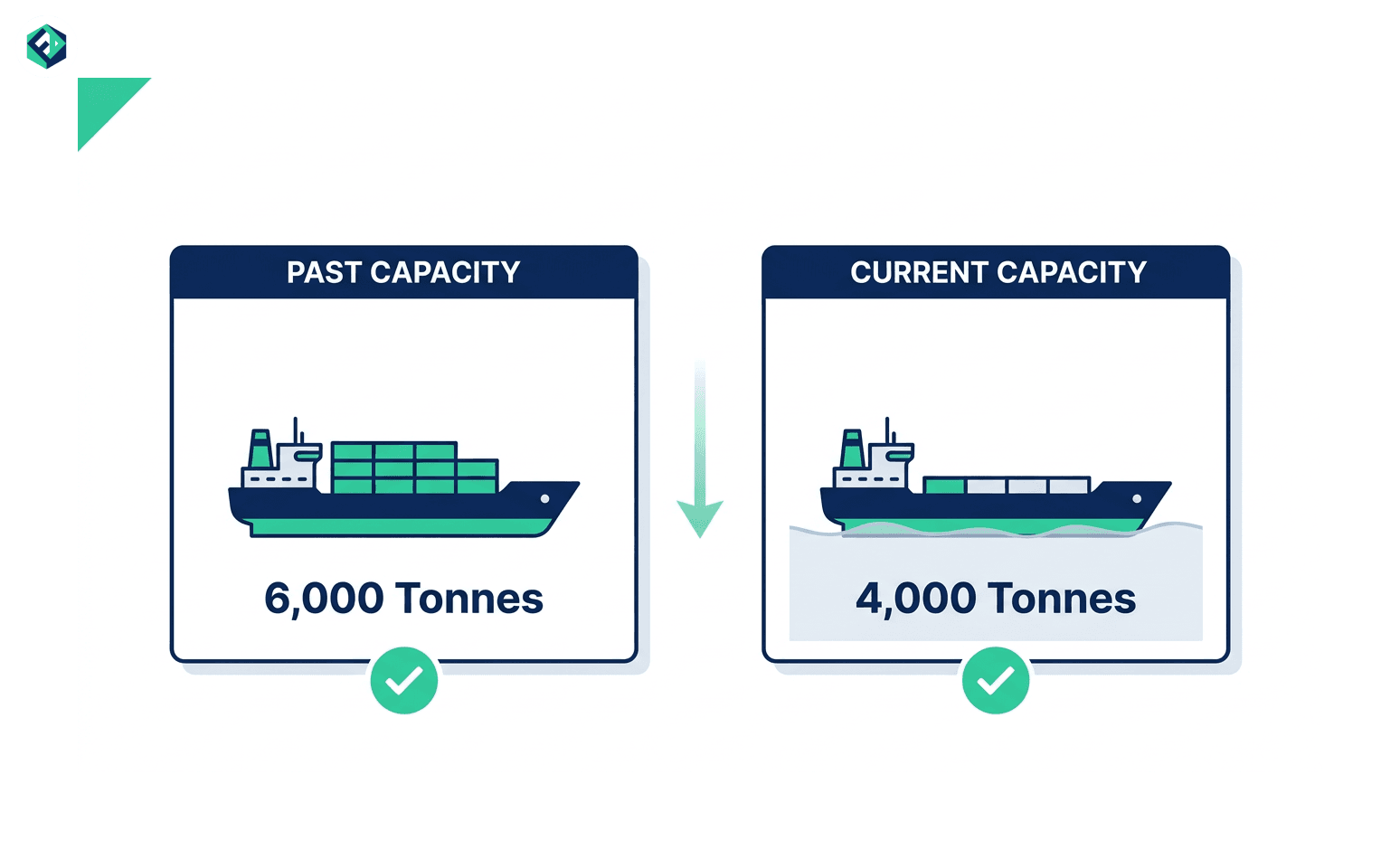
The primary operational consequence is a strict limitation on vessel draft. Northern Iranian ports that previously accommodated vessels of up to 6,000 tonnes are now limited to handling vessels carrying only 4,000 tonnes of cargo or less. This reduction in weight capacity increases the cost per tonne of Caspian Sea cargo shipping, as more voyages are required. Additionally, shallower waters have led to increased dredging requirements. Iranian ships traversing Russia's Volga River frequently encounter situations where they become stuck for days or weeks. These Caspian shipping challenges highlight how environmental degradation directly impairs regional supply chain resilience.
Shifting Cargo to Iran's Northern Ports Amid Southern Blockades
The necessity of utilizing Iran's northern ports has intensified due to geopolitical developments in the south. On September 26, 2026, US President Donald Trump rejected a seven-day ceasefire proposal from Iran based on the Islamabad MoU, keeping the southern ports blockade active (Al Jazeera, 2026). This rejection ensured the US naval blockade remained, leaving the Strait of Hormuz blockade in place. Consequently, southern shipping hubs operate under severe shipping restrictions, making traditional maritime routes highly unstable (Al Jazeera, 2026).
With southern ports blocked, the Iranian government has pivoted toward northern ports. Reorienting cargo to northern Caspian Sea ports, such as Bandar Anzali, is a key strategy to bypass the southern blockade. To illustrate the differences, the following table compares key parameters of the southern and northern transport corridors:
| Route Parameter | Southern Port Route (Strait of Hormuz) | Northern Caspian Route (Caspian Sea Ports) |
|---|
| Primary Status (Late 2026) | Under active naval blockade and severe shipping restrictions | Operational but severely constrained by physical factors |
| Vessel Capacity Limit | Typically supports large bulk carriers and deep-draft container ships | Restricted to 4,000 tonnes down from 6,000 tonnes due to water levels |
| Geopolitical Vulnerabilities | High risk of military interception and blockade enforcement | Subject to drone attacks and regional security tensions |
While the northern route offers a political alternative to bypass the blockade, it cannot fully compensate for the massive scale of trade lost to the southern restrictions.
Managing Severe Congestion at Iran's Land Border Crossings
As cargo is diverted away from southern maritime lanes, land-based routes have experienced unprecedented pressure, resulting in severe land border congestion. The shift toward northern corridors has driven overland freight through critical border terminals. One of the primary points of friction is the Norduz border crossing, which serves as a vital land gateway between Iran and Armenia. This terminal has become a major bottleneck, with hundreds of trucks experiencing prolonged delays as they attempt to transport goods northward toward European and Eurasian markets.
The logistical challenges are characterized by massive truck queues and extended border terminal wait times. Drivers often spend days waiting in line due to administrative delays, customs backlogs, and inadequate physical infrastructure. This congestion increases transportation costs and risks the spoilage of temperature-sensitive goods. To mitigate these disruptions, logistics managers must implement advanced scheduling and route-diversion strategies. Without coordinated regional investments to expand the processing capacity of these land terminals, the land border crossings will continue to act as a significant drag on the efficiency of the broader northern transport network.
Developing Rail Freight Routes and Infrastructure Connecting Northern Iran
To establish a more reliable overland alternative, regional planners are focusing on developing rail freight routes that connect northern Iran with the wider Eurasian continent. The backbone of this effort is the International North-South Transport Corridor, often referred to as the INSTC route, which links Russia and Central Asia to Iran (Al Jazeera, 2026). During the 26th annual Shanghai Cooperation Organisation summit held in Bishkek on August 31, 2026, regional leaders emphasized expanding these cross-Eurasian corridors to bypass Western-dominated maritime routes (Al Jazeera, 2026).
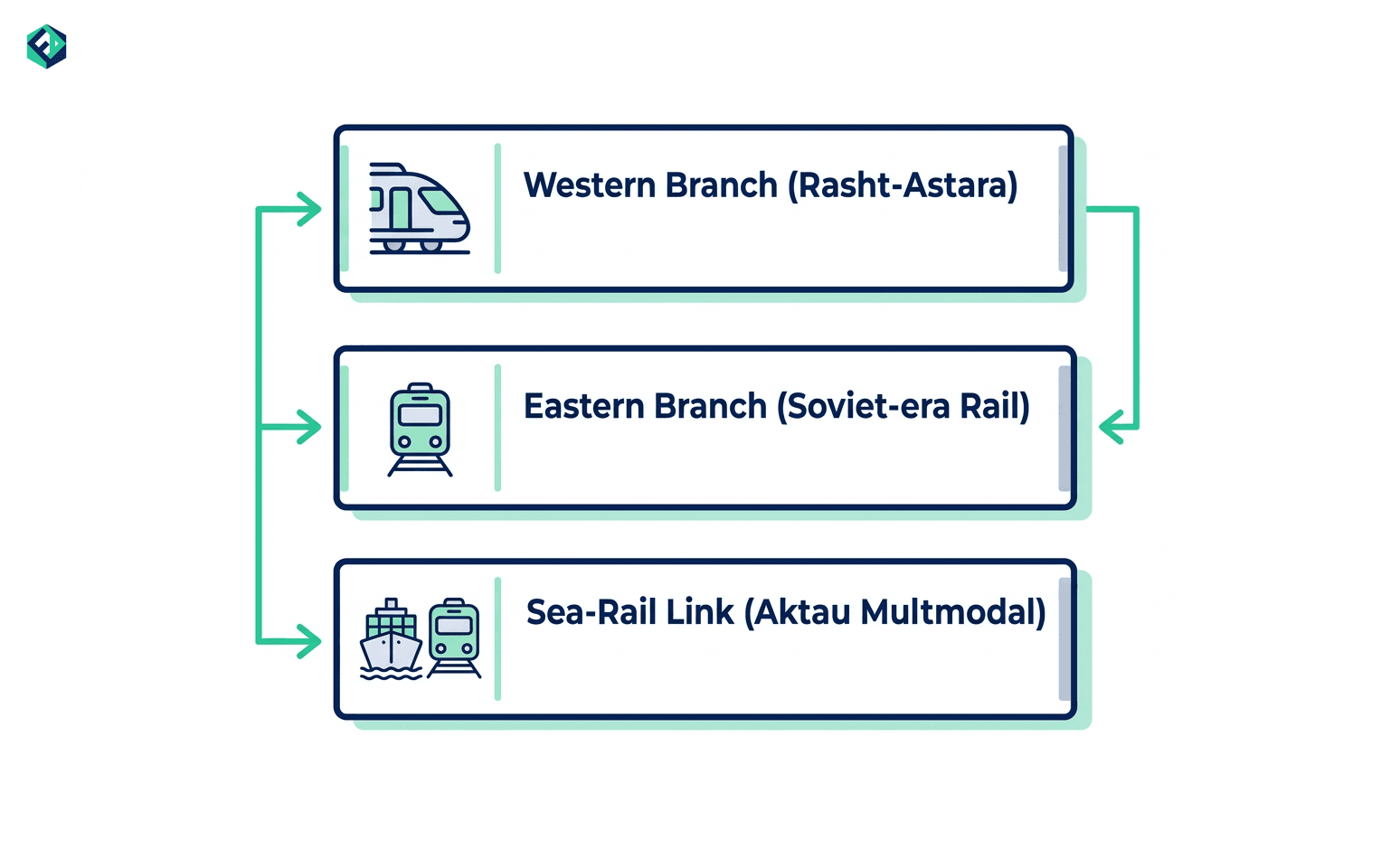
The development of this corridor relies on several key rail freight routes and infrastructure components:
- The western branch relying on the critical Rasht-Astara railway connection to link Azerbaijan and northern Iran.
- The eastern Caspian rail route utilizing the older Soviet-era railway network through Kazakhstan and Turkmenistan.
- The multimodal sea-rail connections linking Central Asian ports like Aktau with Iranian Caspian terminals.
A critical component remains the Rasht-Astara railway, which represents a key missing link in the western branch. The completion of this railway is essential for providing an uninterrupted rail connection from Russia through Azerbaijan to northern Iran. In the absence of this link, freight must be transferred to trucks, which exacerbates land border delays. Meanwhile, the eastern Caspian rail route offers an alternative path, utilizing the Soviet-era railway network to establish regional rail connections. While this eastern route is operational, it suffers from technical differences in rail gauges, limiting overall throughput.
Evaluating Northern Port Capacity for Importing Essential Goods
The ability of northern ports to handle the import of essential goods is a critical concern for national food security. Iran relies heavily on steady inflows of wheat, grain, and animal feed to sustain its domestic market. Historically, these essential food imports were received at large southern ports, which possessed specialized bulk-handling facilities. Shifting these imports to the north highlights the gap between nominal port capacity and the actual operational reality of Caspian ports.
While northern ports have a combined nominal capacity that appears sufficient on paper, their actual throughput is limited by a lack of specialized grain silos and modern unloading equipment. This mismatch means that ships carrying bulk agricultural commodities face lengthy waiting times to discharge cargo, leading to high demurrage fees. To navigate these local bottlenecks, businesses are increasingly relying on digital platforms like FreightAmigo for logistics planning. By utilizing digital international shipping solutions, shippers can gain better visibility into port congestion, coordinate multimodal transfers, and secure alternative routing options. Managing critical commodities through these constrained northern gateways requires meticulous planning and real-time logistics coordination to ensure that food supply chains remain uninterrupted.
Expanding Strategic Trade Routes and Bilateral Corridors with Russia in 2026
The year 2026 has witnessed a significant expansion of strategic trade routes and bilateral corridors between Russia and Iran across the Caspian Sea. This partnership is driven by mutual economic isolation and the need to establish secure supply lines. A key aspect of the Iran-Russia trade in 2026 is the transport of strategic materials. Reports from August 2026 indicated that more than two dozen vessels were active in shipping Russian military cargo, including explosives, drone components, and ammunition, across the Caspian Sea (NBC News, 2026). Because the Caspian Sea is bordered by only five nations and falls outside Western naval jurisdiction, it serves as a secure corridor, illustrating the growing Iranian reliance on Russia for both economic and strategic support.
However, this Caspian Sea trade route is not without substantial risks. The geopolitical conflict has spilled over into the region, as demonstrated by a Ukrainian drone attack on an Iranian commercial vessel in the Caspian Sea on July 25, 2026, which killed one sailor (Al Jazeera, 2026). This attack highlighted that the Caspian trade corridor is increasingly targeted by adversaries. In addition to bilateral trade, regional powers are exploring broader multimodal corridors, such as the China-Aktau-Iran route, which connects East Asian markets to Iran via Kazakhstan's Aktau port (Al Jazeera, 2026). This diversification helps mitigate some risks but requires sophisticated logistical management to navigate varying customs regulations, security threats, and transport modes.
Navigating these high-risk bilateral corridors and complex multimodal routes requires robust risk management strategies to safeguard valuable cargo against geopolitical disruptions. FreightAmigo helps enterprises secure their supply chains by offering comprehensive cargo protection that goes beyond limited carrier liability. Through our digital platform, shippers can easily arrange customized coverage alongside their booking while benefiting from centralized shipment management. To protect your goods across these volatile transit paths, explore our options for Cargo Insurance and consult with our logistics experts today.
FAQ
How do dropping water levels in the Caspian Sea impact shipping cargo and vessel draft limits?
Dropping water levels reduce vessel draft limits, significantly lowering cargo capacity. The decline in the Caspian Sea forces ships to reduce their loads from 6,000 tonnes to 4,000 tonnes or less, which increases shipping costs and causes vessels to frequently get stuck in shallow channels.
Can alternative northern maritime routes effectively support Iranian oil exports amid southern blockades?
Northern maritime routes cannot fully compensate for the scale of trade lost to southern blockades. While northern Caspian ports offer a geopolitical alternative to bypass disrupted southern hubs, physical constraints and capacity limitations restrict their ability to support the massive volume of redirected trade.
What is causing severe truck delays at the Norduz border crossing terminal, and how can they be mitigated?
Severe delays are caused by massive cargo redirection, customs backlogs, and inadequate infrastructure. These bottlenecks at the Norduz border can be mitigated by implementing advanced scheduling, route-diversion strategies, and coordinated regional investments to expand terminal processing capacity.
Which missing railway links in the North-South Transport Corridor are hindering overland freight capacity?
The missing Rasht-Astara railway link is the primary bottleneck hindering continuous overland rail capacity. Without this critical connection, freight must be transferred to trucks, which increases land border congestion, while alternative eastern routes suffer from technical differences in rail gauges.
How do Caspian port capacity limitations affect bulk grain and essential food imports into northern Iran?
Lack of specialized unloading equipment and grain silos restricts the actual throughput of essential food imports. Although northern ports have adequate nominal capacity on paper, the lack of bulk-handling infrastructure leads to lengthy discharge wait times and high demurrage fees.
What are the primary operational risks of relying on sanctioned Russian trade infrastructure in 2026?
The primary risks include geopolitical vulnerability, military targeting, and complex multi-jurisdictional logistics. Commercial vessels in the Caspian corridor face security threats such as drone attacks, alongside the challenges of navigating parallel trade networks and varying customs regulations.



 Global Popular RoutesTop sea & air shipping lanes
 Special OfferLimited-time shipping promotions


 Express
 Document
 Parcel - Air/Sea
 Container
 Relocation