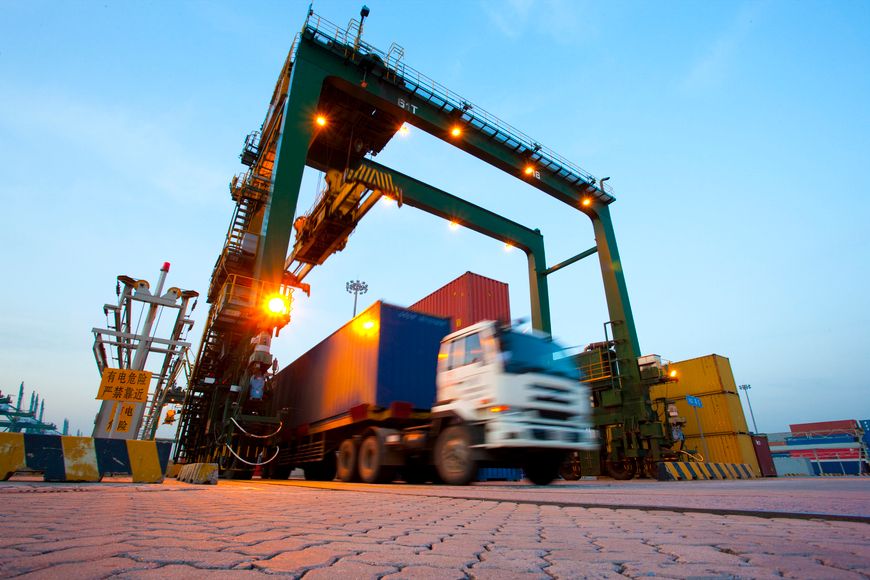
Want To Compare The Best Express, Air Freight, Sea Freight, Rail Freight & Trucking Rates So As To Have Better Control On Cost?
If You Wish To Learn More About Ocean Freight Rates, Please Go To The FreightAmigo Page For Inquiries
The procedures for the regulation of restricted items and tariff arrangements are complicated. If you want to safely deliver your favorite items to your new home, it is best to have logistics experts to support you throughout the process! If you are planning to arrange overseas moving, welcome to FreightAmigo’s special page for overseas moving freight quotations.
FreightAmigo offers oversea immigration service to make your move-in easier!
There are different options for cargo transportation. If you want to choose the most convenient and suitable solution, it is best to have the full support of logistics experts! If you are planning to ship goods overseas, please go to the FreightAmigo page for inquiries.
If you are looking for logistics experts, please visit FreightAmigo Page
There Are Different Options For Transporting Goods, And To Choose The Most Convenient And Suitable Solution, It Is Best To Have Full Support From Logistics Experts! If You Are Planning To Ship Goods Overseas, Please Visit The FreightAmigo Page For Inquiries!
FreightAmigo, a supply chain e-marketplace, would ship your documents, small parcels or pallet anywhere in the world with flexible solutions. Get an instant quote on FreightAmigo and make trade easier!
If you’re looking For Cosmetics Shipping, Please Go To The FreightAmigo Page For Inquiries

Sea Freight Solutions for Global Manufacturing 2025

TL;DR: Sea freight solutions handle 90% of global trade, offering cost-effective, scalable shipping for manufacturing in 2025 with HS code compliance, real-time tracking, and reliable routes from Asia worldwide—essential amid rising costs and disruptions.

Why Sea Freight Dominates Global Manufacturing Logistics in 2025

Sea freight solutions transport 90% of world trade volume, making them vital for global manufacturing.

Bulk shipments of raw materials, machinery, and finished goods rely on ocean routes for efficiency.

With air freight costs surging 20% in 2025, sea options provide stability for electronics and automotive sectors.

  • Costs 70% less per ton than air shipping.
  • Handles massive container volumes for production lines.
  • Reduces carbon footprint versus faster alternatives.
  • Maintains schedules despite port congestion via diversified lanes.
  • Supports just-in-time inventory for lean manufacturing.

Top Benefits of Sea Freight for High-Volume Manufacturing Needs

Sea freight solutions slash logistics expenses by up to 70% for manufacturers shipping globally.

Perfect for heavy loads like components and textiles, enabling scalable supply chains.

Stable 2025 fuel prices enhance predictability on long-haul routes.

  • Economies of scale with full container loads (FCL).
  • Multi-modal links to rail and truck for end-delivery.
  • Compliance with IMO green shipping mandates.
  • Lower inventory costs through reliable timing.
  • High capacity for seasonal production surges.

Popular Sea Freight Routes for 2025 Global Manufacturing Hubs

Key sea freight routes connect manufacturing centers efficiently in 2025.

From Asia to major markets, these lanes handle electronics, machinery, and auto parts.

National port upgrades boost capacity amid trade growth.

  • Shanghai to Los Angeles: 20-30 days for electronics.
  • Hong Kong to Rotterdam: 35-45 days via optimized paths.
  • Asia to Middle East: Quick clearance for components.

  • Intra-Asia lanes: Low-cost regional chains.
  • Trans-Pacific: Automotive volumes prioritized.

2025 HS Code Changes Impacting Sea Freight Solutions

HS code accuracy prevents delays in sea freight for manufacturing shipments.

Updates include US HTS rules and expanded 12-digit classifications globally.

WCO guidelines ensure smooth customs per 2025 standards.

Product Type 2025 HS Code Key Impact
Electronics Components 8517.62 Precise duty calculations
EV Batteries 8507.60 Low-value import exemptions
Textiles 6109 Updated tariff schedules
Machinery Parts 8479.89 Green tech incentives

Source: WCO 2025 updates.

How to Choose Optimal Sea Freight Solutions Step-by-Step

This guide helps manufacturers select the best sea freight solutions.

Focus on volume, compliance, and tracking for 2025 success.

  1. Evaluate cargo type: FCL for bulk, LCL for smaller lots.
  2. Compare rates across carriers and routes.
  3. Confirm HS code alignment with destination rules.
  4. Review transit reliability and insurance coverage.
  5. Ensure real-time visibility integration.

Sustainability in Sea Freight for Modern Manufacturing

Sea freight solutions lead in low-emission shipping for global manufacturing.

2025 IMO rules push cleaner fuels, cutting CO2 mile.

Ideal for eco-focused brands in electronics and EVs.

  • Lower emissions than air: 50x less per ton.
  • Biofuel adoption on major routes.
  • Carbon offset programs available.
  • Aligns with EU CBAM regulations.

2025 Case Study: Optimizing Sea Freight for Electronics

An Asian electronics firm reduced costs 25% via strategic sea freight.

Optimized FCL routes with HS compliance cut transit to 18 days, avoiding $50K fines.

Scaled to 500 TEU/month amid national port expansions.

  • Pre-2025: Code errors caused delays.
  • Post-change: Zero penalties, faster clearance.
  • Key: Real-time tracking and route diversification.

FAQ

What is the role of sea freight in global manufacturing?

Sea freight handles 90% of trade volume with cost-effective bulk transport.

Why choose sea freight solutions over air for 2025?

Sea offers 70% lower costs and sustainability for high-volume manufacturing cargo.

How do 2025 HS codes affect sea freight shipments?

New classifications like 12-digit GCC codes demand precise use to avoid delays.

What are standard sea freight transit times from Asia?

20-45 days to US/Europe, varying by route and port conditions.

Is sea freight suitable for small manufacturers?

Yes, LCL consolidation enables affordable access for lower volumes.

How much does sea freight cost per container in 2025?

$2,000-$5,000 for 20ft on major routes, excluding duties.

What documents are required for manufacturing sea freight?

Bill of lading, invoice, packing list, and HS-coded declarations.

Does sea freight comply with 2025 green regulations?

Yes, with IMO biofuel mandates reducing emissions significantly.

How to track sea freight for supply chain visibility?

Use platforms with GPS-enabled real-time updates from port to port.

What routes are best for automotive manufacturing sea freight?

Trans-Pacific lanes excel for parts with 25-35 day transits.

Resources

| By Tiffany Lee, Logistics Expert.

For tailored sea freight solutions, explore options like Book a Demo.

Contact: HKG +852 24671689 | CHN +86 4008751689 | USA +1 337 361 2833 | GBR +44 808 189 0136 | AUS +61 180002752 | enquiry@freightamigo.com.