Resilient Supply Chains: Lessons from Cyclone Garance’s Impact
TL;DR: Cyclone Garance's 2025 strike on La Reunion exposed supply chain vulnerabilities, causing port closures and freight delays. **Discover proven resilience strategies, risk mitigation steps, and 2025 tools for unbreakable supply chains.**
Cyclone Garance 2025: Devastation and Supply Chain Shock
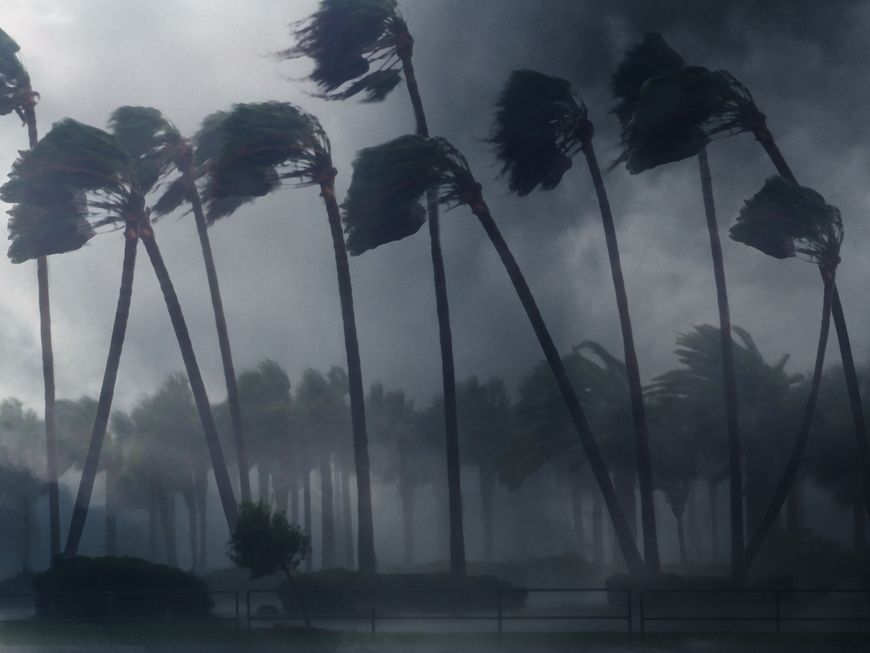
Cyclone Garance slammed La Reunion in early 2025, unleashing chaos on resilient supply chains.
This Indian Ocean cyclone brought winds over 200 km/h, killing four and crippling infrastructure.
- Port of Le Port closed for 4 weeks
- Sea freight routes disrupted across Indian Ocean
- Container volumes plunged 40%
- Perishable imports spoiled in transit
- Global trade lanes felt ripple effects
These events underscore the need for resilient supply chains in cyclone-prone regions.
Sea Freight Disruptions: Cyclone Garance's Direct Impact
Cyclone Garance triggered massive sea freight disruptions, delaying shipments by weeks.
Vessels rerouted around La Reunion, spiking transit times and costs.
| Disruption Type | Duration | Cost Increase |
|---|
| Port Closure | 2-4 weeks | 15-20% |
| Vessel Rerouting | 7-10 days | 20% |
| Cargo Backlogs | Up to 21 days | 25% |
Freight rates surged due to capacity shortages in 2025.
Port Closures in 2025: Lessons from La Reunion
La Reunion's port shutdown revealed single-point failures in island supply chains.
Repairs extended into Q2 2025, overwhelming nearby ports like Mauritius.
- Container throughput dropped 40%
- Alternative ports faced 30% overload
- Insurers mandated enhanced risk assessments
- Local businesses faced months-long shortages
- 2025 weather amplified cyclone intensity
Global Container Shipping Ripple Effects from Cyclone Garance
Cyclone Garance's impact rippled to Asia-Europe routes, hiking container rates 20%.
Ships bypassed the region, creating global capacity crunches.
- Avoidance of danger zones reduced available slots
- Perishables like fruits rotted in queues
- Air freight alternatives tripled costs
- Just-in-time inventory models failed spectacularly
- Retailers reported $500M+ in losses
Building Resilient Supply Chains: Key 2025 Strategies
Diversification is essential for resilient supply chains post-Cyclone Garance.
Adopt multi-layered defenses against natural disasters.
- Multi-modal transport backups (sea-air-rail)
- Safety stock buffers of 30-45 days
- Real-time weather and freight tracking
- Nearshoring to stable regions
- Scenario-based contingency planning
2025 case study: A European retailer saved $2M rerouting shipments.
How to Mitigate Cyclone Risks in Sea Freight (Step-by-Step)
Implement these 5 steps for resilient supply chains against 2025 cyclones.
- Monitor threats: Use NOAA and ECMWF for real-time cyclone tracking
- Diversify paths: Map 3+ route options per lane
- Buffer inventory: Hold 4-week minimum stocks
- Enhance insurance: Include all-risk cyclone coverage
- Simulate disruptions: Conduct quarterly drills
2025 Supply Chain Tools: Comparison Table
Choose tools that boost resilient supply chains with real-time insights.
| Feature | Manual Methods | Digital Trackers | AI Platforms |
|---|
| Real-Time Alerts | No | Yes | Advanced |
| Route Optimization | Limited | Basic | Dynamic |
| Cost | High (delays) | Low | Medium |
| Risk Prediction | None | Moderate | High Accuracy |
FAQ: Resilient Supply Chains After Cyclone Garance 2025
Answers to top questions on building resilient supply chains.
Q: What caused the worst supply chain delays from Cyclone Garance? A: Port closures and vessel rerouting led to 2-4 week backlogs in La Reunion.
Q: How long was La Reunion port closed after the cyclone? A: Full operations halted for up to 4 weeks, with repairs into Q2 2025.
Q: What strategies build resilient supply chains for cyclones? A: Diversify routes, buffer inventory, and use real-time tracking tools.
Q: Did Cyclone Garance raise global sea freight rates? A: Container rates spiked 20% due to rerouting and capacity shortages.
Q: How to insure supply chains against natural disasters? A: Add named perils coverage including cyclones and floods to policies.
Q: Which regions suffered most from Garance disruptions? A: Indian Ocean trade lanes saw the biggest delays and volume drops.
Q: Are 2025 cyclones intensifying supply chain risks? A: Climate shifts increased southern Indian Ocean cyclone strength.
Q: How to quickly find alternative sea freight routes? A: Leverage platforms offering multi-carrier real-time availability.
Q: Why did just-in-time fail during Cyclone Garance? A: Zero-buffer models caused instant shortages amid port closures.
Q: What free resources help with supply chain risk planning? A: NOAA weather alerts and WCO trade disruption guidelines are essential.
Conclusion: Strengthen Resilient Supply Chains Now
Cyclone Garance 2025 lessons demand action: diversify, track, and prepare for resilient supply chains.
Ready to fortify your operations? Book a Demo or contact us: HKG +852 24671689, CHN +86 4008751689, USA +1 337 361 2833, email enquiry@freightamigo.com.
Tiffany Lee, Supply Chain Analyst.
Sources
- NOAA Cyclone Reports 2025
- Straits Times: Cyclone Garance Coverage
- WCO Supply Chain Resilience Guidelines








 Global Popular RoutesTop sea & air shipping lanes
 Special OfferLimited-time shipping promotions





 Express
 Document
 Parcel - Air/Sea
 Container
 Relocation