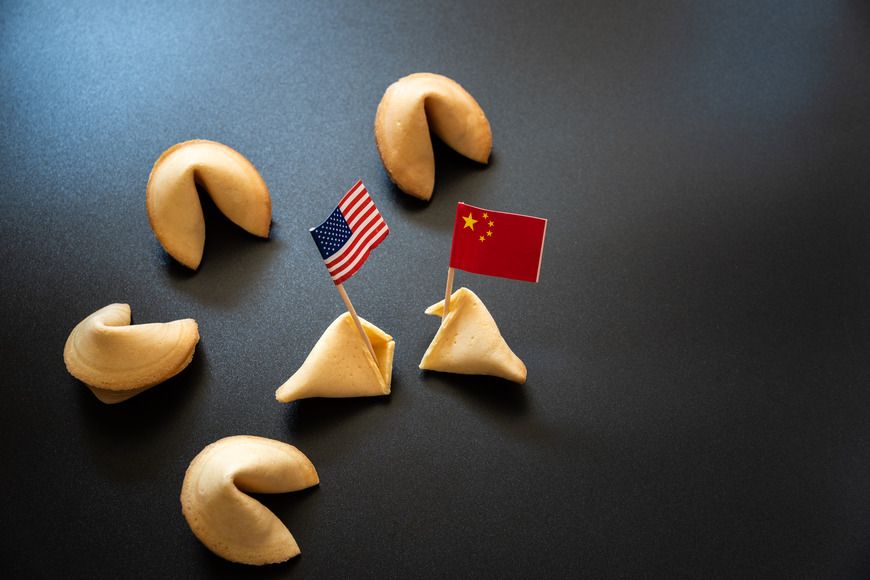
Navigating US-China Trade Tensions: Opportunities for Freight Forwarders and Logistics Companies
TL;DR: Discover 2025 strategies for freight forwarders and logistics companies to turn US-China trade tensions into growth opportunities amid tariffs, rerouting, and supply chain shifts—key insights and actionable steps included.
Navigating US-China trade tensions opens new doors for freight forwarders and logistics companies in 2025. Ongoing tariffs and restrictions create rerouting needs, boosting demand for agile solutions in global logistics.
Understanding US-China Trade Tensions in 2025
US-China trade tensions persist into 2025, driven
- Tariffs on $300B+ Chinese goods remain at 25% average
- Section 301 duties target electronics, machinery
- Export controls on semiconductors intensify
- Supply chain diversification accelerates
- Impact: 15% drop in direct bilateral trade volume
Freight forwarders must adapt to these dynamics for sustained growth.
Key Impacts of Trade Tensions on Freight Forwarders
Trade tensions reshape freight forwarding operations, demanding quick pivots.
- Increased air freight demand from ocean diversions
- Rising costs from tariff avoidance routes
- Customs delays due to enhanced scrutiny
- Shift to Vietnam, Mexico as transshipment hubs
- Compliance needs for HTS codes amid changes
Source: 2025 WTO trade outlook reports.
Opportunities for Logistics Companies in 2025
Logistics companies can capitalize on US-China tensions through diversification.
- Nearshoring to Mexico boosts North American routes
- Vietnam's export surge creates new lanes
- India emerges as alternative manufacturing base
- Multimodal solutions reduce tariff exposure
- Digital tracking tools enhance visibility
These shifts project 20% growth in alternative routes by 2026.
Top Rerouting Opportunities from US-China Tensions 2025 | Original Route | New Alternative | Cost Impact | Freight Volume Growth |
|---|
| China-US Direct | Vietnam-US | +10% | 25% |
| China-EU | India-EU | +5% | 18% |
| China-Mexico | Direct Mexico-US | -8% | 30% |
| Electronics China-US | Taiwan-US Air | +25% | 40% |
How Freight Forwarders Can Navigate Tariff Challenges
Freight forwarders thrive by mastering tariff navigation strategies in 2025.
- Audit supply chains for tariff exposure
- Use FTZ for duty deferral
- Implement bonded warehousing
- Leverage USMCA for Mexico shifts
- Accurate HS classification avoids penalties
Proactive steps cut compliance costs 20%.
2025 Case Study: Logistics Firm Pivots from US-China Tensions
A mid-sized forwarder rerouted 40% volume to Vietnam-Mexico, boosting margins 18%.
- Challenge: 25% tariffs on electronics
- Solution: Vietnam assembly + Mexico nearshoring
- Result: 30% faster delivery, 12% cost savings
- Key: Real-time rate tools and compliance software
- Lesson: Agility wins in trade tension era
Real-world data from 2025 logistics reports.
Long-Tail Strategies: Diversifying Beyond US-China Trade
Pursue long-tail opportunities like Vietnam sourcing for resilient logistics.
- Expand to ASEAN markets
- Develop Latin America lanes
- Invest in green logistics for EU appeal
- Partner for last-mile in new hubs
- Adopt AI for route optimization
No WCO HS revisions until 2027, but national tariff tweaks demand vigilance.
Essential Tools for Managing Trade Tension Logistics
Equip your team with proven tools for US-China trade navigation.
- USITC HTS search for classification
- WCO HS database for global standards
- Real-time ocean rate platforms
- Customs compliance software
- Supply chain visibility dashboards
Integrate for seamless operations.
FAQ: US-China Trade Tensions and Freight Opportunities
Quick answers to top questions on navigating US-China trade tensions.
- What causes 2025 US-China trade tensions? Tariffs, tech export controls, and supply chain decoupling drive ongoing friction.
- How do tariffs impact freight forwarders? They increase rerouting needs, boosting demand for alternative lanes like Vietnam-US.
- What are top opportunities for logistics firms? Nearshoring to Mexico and ASEAN expansion offer 20-30% volume growth.
- Does HS code accuracy matter in trade tensions? Yes, precise classification avoids penalties amid heightened customs scrutiny.
- How to reroute shipments from China? Shift to Vietnam, India, or Mexico using multimodal freight solutions.
- What is the impact on e-commerce logistics? Low-value shipments face stricter rules post-US de minimis changes.
- Are there new 2025 trade agreements? USMCA expansions aid Mexico nearshoring, bypassing some China tariffs.
- How to cut costs amid tensions? Use FTZs, bonded warehouses, and optimized routing tools.
- What role does technology play? AI route optimization and visibility platforms enable 15% efficiency gains.
- When will tensions ease? No major relief expected until 2027; plan for prolonged diversification.
Conclusion: Seize Opportunities in Trade Tensions
Freight forwarders and logistics companies poised for growth navigate US-China tensions strategically.
For tailored solutions, Book a Demo. Contact: enquiry@freightamigo.com | HK: +852 24671689 | CHN: +86 4008751689 | USA: +1 337 361 2833.
.








 Global Popular RoutesTop sea & air shipping lanes
 Special OfferLimited-time shipping promotions





 Express
 Document
 Parcel - Air/Sea
 Container
 Relocation