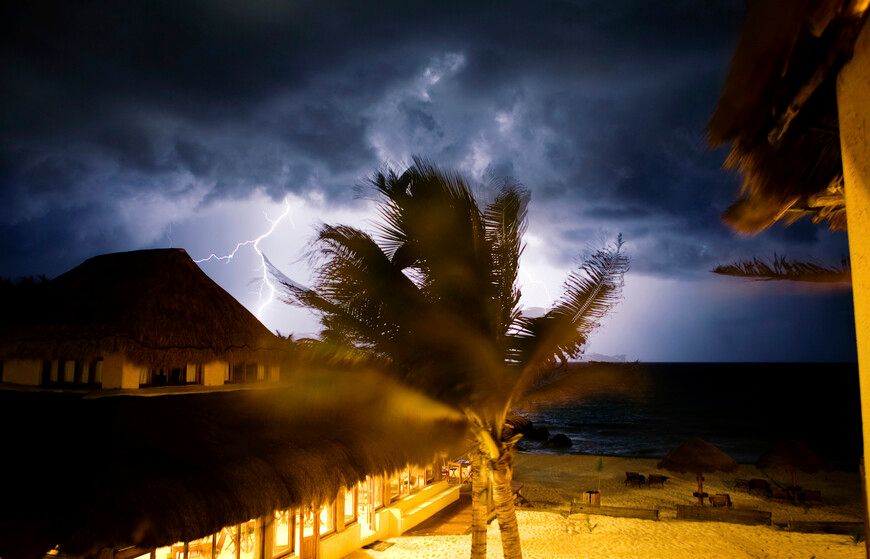
Weather Disruptions in Sea Freight: Lessons from Tuscany’s Storms
TL;DR
Tuscany's 2025 storms disrupted sea freight with 56mm hourly rain, port closures, and global delays—learn proven strategies like AI tracking and dynamic routing to mitigate weather disruptions in sea freight.
Introduction to Weather Disruptions in Sea Freight
Weather disruptions in sea freight are intensifying in 2025 due to climate change. Tuscany’s recent storms highlight vulnerabilities in global supply chains.
Ports face closures, vessels reroute, and cargo risks rise. This guide covers lessons from these events and adaptation strategies for resilient sea freight logistics.
Tuscany’s 2025 Storms: A Sea Freight Case Study
The 2025 Tuscany storms devastated Elba island, causing massive sea freight disruptions.
- 56mm rainfall in one hour flooded infrastructure
- Elba port halted operations for 72 hours
- Supply chains delayed by up to 10 days across Europe
- Container damage reports surged 25%
- Rerouting added 15% to fuel costs
These weather disruptions in sea freight underscore the need for proactive logistics planning.
Key Impacts of Extreme Weather on Sea Freight Logistics
Extreme weather now causes 30% more sea freight disruptions than in 2022.
Storms like Tuscany’s amplify risks across container shipping.
| Impact Area | 2025 Increase | Example from Tuscany |
|---|
| Port Closures | 30% | Elba shutdown 72hrs |
| Schedule Delays | 25% | 10-day backups |
| Cargo Damage | 20% | Water ingress cases |
| Fuel Costs | 15% | Rerouting penalties |
How Weather Disruptions Affect Port Operations in Sea Freight
Port operations bear the brunt of weather disruptions in sea freight.
- High winds exceed safe berthing limits
- Flooding blocks access roads and cranes
- Wave surges damage quay infrastructure
- Backup delays cascade globally
- 2025 saw 40 major port events (WMO data)
Unpredictable Schedules from Sea Freight Weather Disruptions
Traditional sea freight schedules fail amid 2025’s volatile weather.
Rerouting due to storms adds uncertainty.
- Monitor forecasts 14 days ahead
- Build buffer days into ETAs
- Use AI for deviation predictions
- Notify stakeholders instantly
- Leverage alternative ports
Cargo Damage Risks in Extreme Sea Freight Weather
Weather disruptions in sea freight raise cargo damage by 20% in 2025.
- Water ingress from heavy swells
- Shifting loads in rough seas
- Humidity spikes spoil perishables
- Container breaches from high winds
- Insurance claims up 18%
Advanced lashing and monitoring mitigate these sea freight weather disruptions.
2025 Strategies to Mitigate Sea Freight Weather Disruptions
Logistics teams counter weather disruptions in sea freight with tech innovations.
- AI Real-Time Tracking: Predicts delays 7-14 days out
- Dynamic Route Optimization: Adjusts for storms live
- IoT Cargo Sensors: Monitors conditions remotely
- Blockchain Documentation: Speeds claims processing
- Global Port Dashboards: Rates alternative terminals
Best Practices for Resilient Sea Freight Amid Weather Disruptions
Follow these steps to handle weather disruptions in sea freight effectively.
| Practice | Benefit | 2025 Adoption Rate |
|---|
| Weather Forecasting Integration | 24hr early warnings | 65% |
| Flexible Scheduling | Reduces delay costs | 72% |
| Smart Containers | Prevents damage | 45% |
| Multi-Port Planning | Avoids single-point failure | 58% |
FAQ: Weather Disruptions in Sea Freight
Quick answers to common questions on weather disruptions in sea freight.
Q1: What caused Tuscany’s 2025 sea freight disruptions? A1: 56mm hourly rain flooded Elba port, halting operations for days.
Q2: How do weather disruptions impact global sea freight? A2: They trigger port closures, rerouting, and delays rippling worldwide.
Q3: What tech fights sea freight weather disruptions? A3: AI tracking, IoT sensors, and dynamic routing optimize responses.
Q4: Can shippers predict weather disruptions in sea freight? A4: Yes, via 14-day forecasts integrated into logistics platforms.
Q5: How to protect cargo from sea freight weather damage? A5: Use smart containers with sensors and reinforced lashing.
Q6: What are 2025 trends in sea freight resilience? A6: Blockchain transparency and AI risk models lead adaptations.
Q7: Do weather disruptions raise sea freight costs? A7: Yes, 25% from fuel, delays, and insurance hikes.
Q8: How do ports handle extreme weather in 2025? A8: Advanced forecasting and rapid recovery protocols minimize downtime.
Q9: What’s the role of real-time data in sea freight? A9: It enables instant decisions during weather disruptions.
Q10: Are sea freight disruptions worsening in 2025? A10: Yes, up 30% per WMO reports due to climate shifts.
Conclusion: Building Sea Freight Resilience
Tuscany’s 2025 storms teach vital lessons for weather disruptions in sea freight. Adopt AI tools, flexible planning, and real-time insights for continuity.
For advanced solutions, Book a Demo. Contact: HKG: +852 24671689 | CHN: +86 4008751689 | Email: enquiry@freightamigo.com.
References
- World Meteorological Organization (2025). Extreme Weather Report
- International Maritime Organization (2025). Sea Freight Adaptation Guidelines
- Florence Daily News (2025). Tuscany Storm Analysis
























 Express
 Document
 Parcel - Air/Sea
 Container
 Relocation