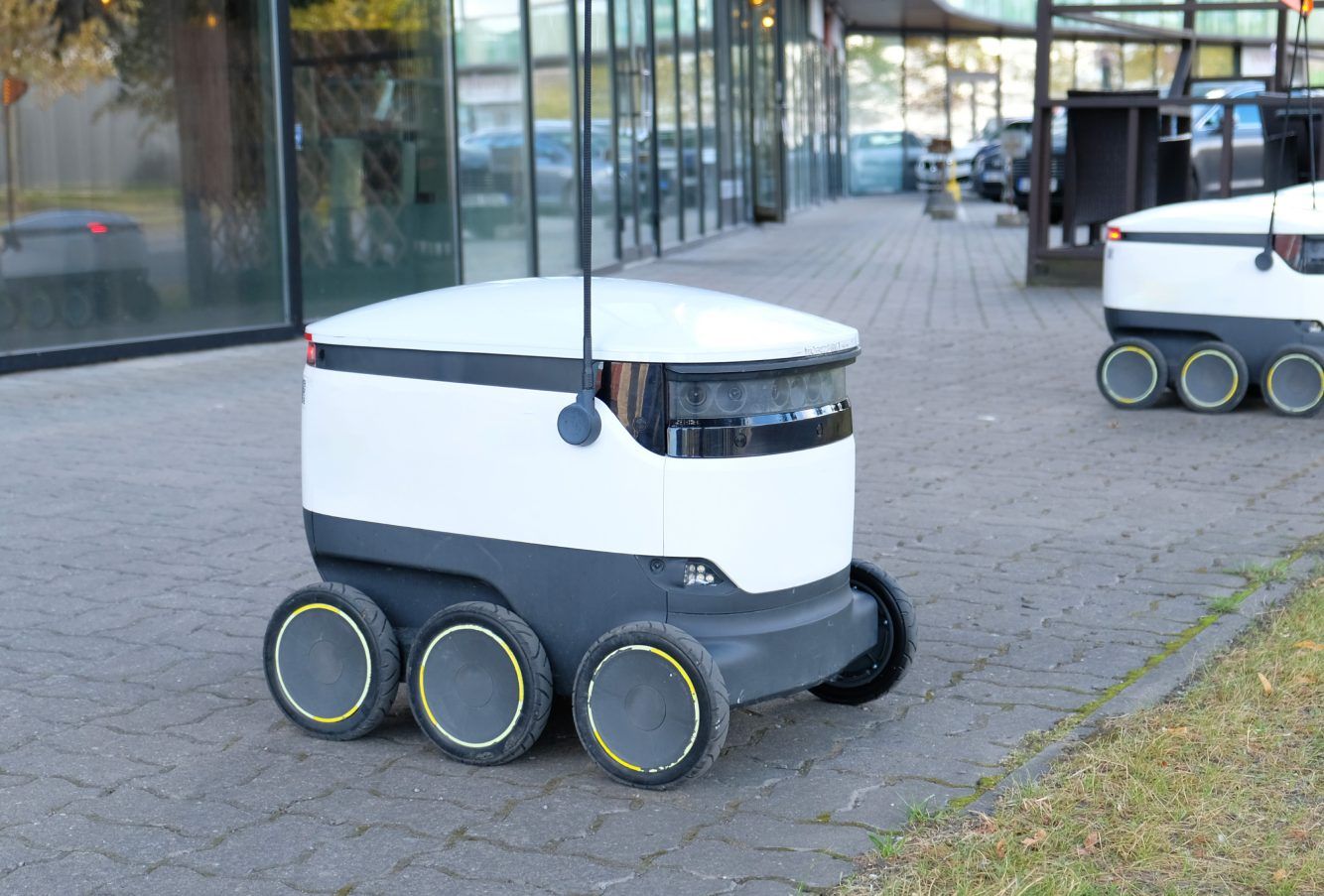
Route Optimization with AI: Enhancing Delivery Efficiency
TL;DR: AI route optimization cuts delivery costs 30%, boosts efficiency with real-time adjustments, and supports sustainable logistics in 2025 through machine learning and predictive analytics.
What is AI Route Optimization in Logistics?
AI **route optimization uses machine learning algorithms to find the fastest, cheapest paths for deliveries**, adapting to traffic and weather in real-time.
This technology analyzes vast datasets like vehicle capacity, delivery windows, and historical traffic patterns to minimize travel time and fuel use.
In 2025, with rising fuel costs and urban congestion, AI-driven solutions are essential for logistics efficiency.
Key Benefits of AI Route Optimization for Delivery
AI **transforms logistics by slashing costs and speeding up deliveries**, with proven ROI in supply chain operations.
- Cost Savings: Reduces fuel 25% via optimal routing.
- Time Efficiency: Shortens delivery times through dynamic rerouting.
- Sustainability: Lowers carbon emissions by minimizing mileage.
- Scalability: Handles fleet growth without proportional cost increases.
- Customer Loyalty: Ensures on-time deliveries 95%+ of the time.
Logistics firms report 20% overall efficiency gains from AI implementation.
How AI Algorithms Work in Route Optimization
AI **employs advanced algorithms like genetic algorithms and neural networks** to solve complex vehicle routing problems (VRP).
- Data Ingestion: Collects GPS, traffic, and weather data continuously.
- Problem Solving: Applies TSP/VRP models with metaheuristics.
- Prediction: Forecasts delays using machine learning.
- Optimization: Iterates routes for minimal cost and time.
- Deployment: Updates driver apps in real-time.
| Algorithm | Use Case | Benefit |
|---|
| Genetic Algorithm | Multi-stop routes | 20% faster planning |
| Neural Networks | Traffic prediction | 15% fewer delays |
| Reinforcement Learning | Dynamic adjustments | 10% fuel savings |
AI Route Optimization Implementation Steps 2025
AI **implementation follows a 6-step process tailored for 2025 logistics challenges** like e-commerce surges.
- Assess current routes and pain points.
- Integrate data sources (GPS, ERP, TMS).
- Select AI platform with API compatibility.
- Train models on historical data.
- Pilot test on subset of fleet.
- Scale with monitoring KPIs.
Expect 3-6 months for full rollout, with immediate 10% efficiency gains.
Real-World AI Route Optimization Case Studies 2025
AI **delivers measurable results in 2025 case studies**, proving value in diverse logistics scenarios.
- A European retailer cut delivery costs 28% using AI rerouting during peak seasons.
- US grocery chain reduced empty miles by 22% with predictive optimization.
- Asian e-commerce firm achieved 98% on-time delivery via real-time AI adjustments.
These examples highlight AI's role in overcoming 2025 supply chain disruptions.
Overcoming Challenges with AI Route Optimization
AI **eliminates traditional route planning pitfalls**, from manual errors to static routes.
- Manual Errors: Automation reduces mistakes by 90%.
- Real-Time Changes: Adapts to traffic/road closures instantly.
- Data Silos: Integrates multi-source info seamlessly.
- Scalability: Handles 10x volume without added staff.
- Compliance: Ensures routes meet 2025 emission regulations.
Future Trends: AI Route Optimization in 2025
AI **evolves with 2025 trends like autonomous vehicles and 5G connectivity**, enhancing delivery precision.
Expect integration with drone deliveries and blockchain for transparent tracking.
FAQ: AI Route Optimization in Logistics
Common questions answered on AI route optimization for quick insights.
- What is AI route optimization?
- AI uses machine learning to plan efficient delivery routes adapting to real-time conditions.
- How much can AI save on fuel costs?
- Typically 15-30% reduction through optimized paths and reduced idle time.
- Is AI route optimization suitable for small fleets?
- Yes, scalable solutions work for 5+ vehicles with quick ROI.
- What data does AI need for route optimization?
- GPS, traffic, weather, vehicle specs, and delivery schedules.
- Can AI handle last-minute delivery changes?
- Absolutely, real-time rerouting manages new orders dynamically.
- How does AI improve sustainability?
- What are 2025 AI route optimization trends?
- Integration with EVs, drones, and predictive analytics for urban logistics.
- Does AI replace human dispatchers?
- No, it augments them with data-driven insights for better decisions.
- How to measure AI route optimization success?
- Track KPIs like on-time delivery, fuel use, and cost per mile.
- What's the implementation cost?
- Varies; SaaS models start at $500/month for small operations.
Resources for AI Route Optimization
For hands-on AI route optimization, Book a Demo with FreightAmigo experts.
Contact: enquiry@freightamigo.com | HK: +852 24671689 | CHN: +86 4008751689 | USA: +1 337 361 2833








 Global Popular RoutesTop sea & air shipping lanes
 Special OfferLimited-time shipping promotions





 Express
 Document
 Parcel - Air/Sea
 Container
 Relocation