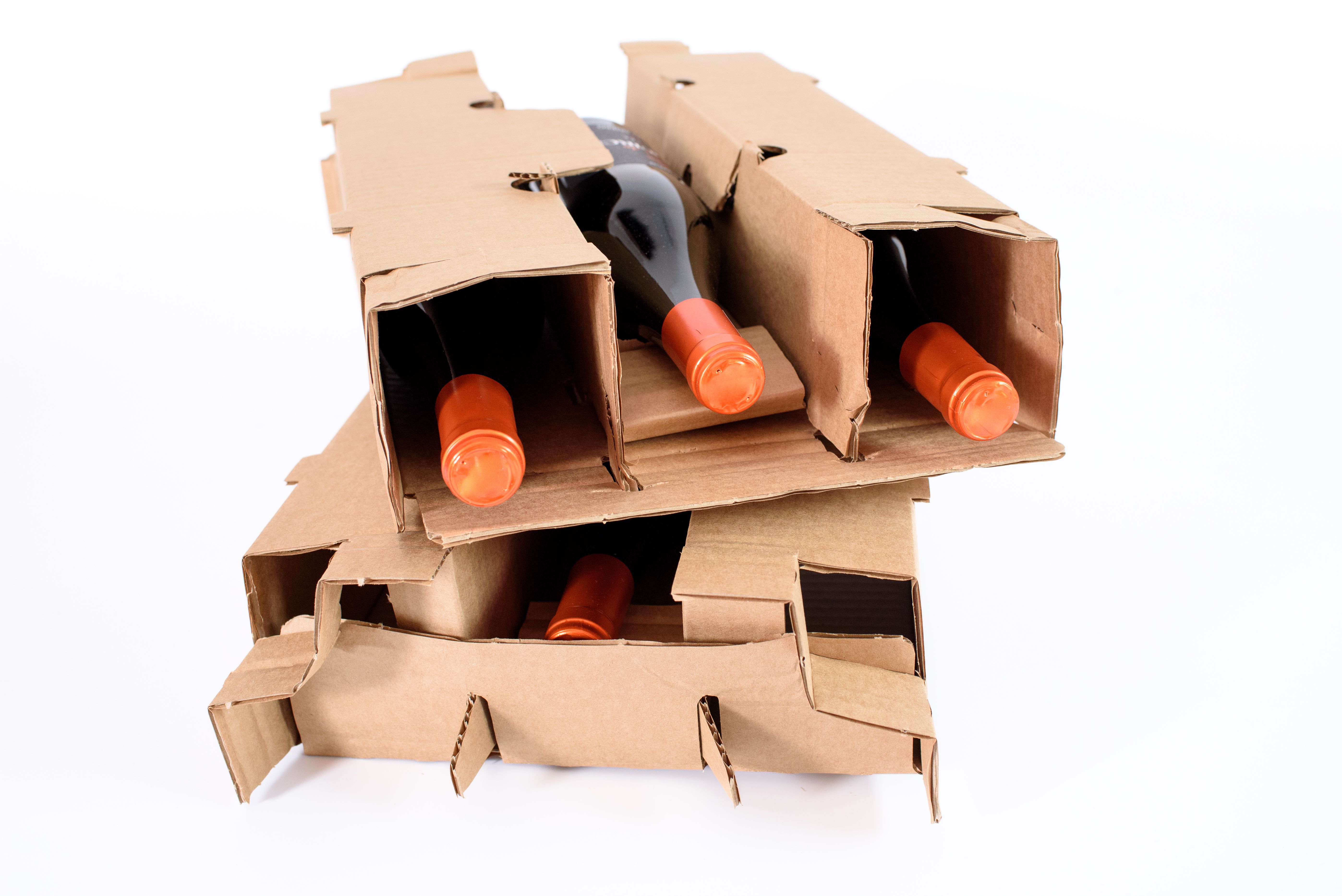
Why Sustainable Packaging Matters for Wine Shipping in 2025
The wine industry faces mounting pressure to adopt sustainable packaging solutions for wine shipping amid rising eco-demands and 2025 regulations. Traditional methods contribute heavily to global waste.
- Global wine shipments exceed 1 billion bottles yearly, amplifying environmental impact.
- Consumers prefer brands with green logistics, per 2025 Nielsen reports.
- 2025 EU directives mandate reduced plastic in freight packaging.
Switching to sustainable options lowers costs and boosts brand loyalty in logistics.
Environmental Challenges of Traditional Wine Packaging
Conventional wine packaging burdens logistics with high waste and emissions. Glass bottles and plastics dominate, complicating sea and air freight.
Key issues include:
- Non-biodegradable plastics like bubble wrap persist for centuries.
- Heavy glass increases fuel use in trucking and air freight by up to 20%.
- Recycling rates for wine shipping materials hover below 30% globally.
In 2025, national changes like U.S. plastic bans heighten urgency for alternatives.
Top Compostable Materials for Sustainable Wine Shipping
Compostable materials revolutionize sustainable packaging solutions for wine shipping. They break down naturally, ideal for international logistics.
| Material | Decomposition Time | Best For |
|---|
| Mushroom Packaging | 30 days | Cushioning fragile bottles |
| Seaweed Wraps | 4-6 weeks | Moisture-resistant freight |
| Cornstarch Foam | 90 days | Lightweight sea shipping |
These reduce landfill waste in wine export logistics by 70%.
Recycled Materials in Wine Shipping Packaging
Recycled and recyclable materials cut virgin resource use in wine freight. Post-consumer paper and plastics enable circular economy practices.
- Recycled cardboard boxes withstand drops up to 1 meter.
- rPET liners protect against leaks in air freight.
- 2025 innovations include 100% recycled pulp molds.
Logistics firms report 15% shipping cost savings with these options.
Lightweight Designs for Eco-Friendly Wine Freight
Lightweight packaging slashes emissions in wine shipping logistics. Reducing weight by 10% can lower fuel needs by 15% per trip.
- Thin-wall glass bottles: 30% lighter than standard.
- Bag-in-box formats: Ideal for bulk sea freight.
- Hexagonal inserts: Maximize pallet space in trucking.
Perfect for optimizing 2025 cross-border wine transport.
How to Implement Sustainable Packaging in Wine Logistics
Follow this step-by-step guide for seamless sustainable packaging adoption.
- Audit Current Setup: Calculate your wine shipping carbon footprint using 2025 tools.
- Test Materials: Trial compostable options on sample freight routes.
- Supplier Partnerships: Source certified eco-materials for logistics chains.
- Monitor Metrics: Track waste reduction and cost savings quarterly.
- Certify Compliance: Align with 2025 WCO guidelines for green freight.
This how-to ensures safe, sustainable wine delivery worldwide.
2025 Case Studies: Sustainable Wine Shipping Success
Real-world examples prove sustainable packaging works in wine logistics.
- A California winery cut emissions 25% using mushroom packaging for Asia sea freight.
- French exporters adopted rPET, reducing air freight costs by 18% in 2025 pilots.
- Australian shippers used lightweight boxes, saving 12% on transpacific trucking.
These cases highlight scalable solutions for global wine trade.
FAQ: Sustainable Packaging for Wine Shipping
Quick answers to common questions on eco-friendly wine logistics.
- What are the best sustainable packaging solutions for wine shipping?
- Compostable foams and recycled cardboard provide protection while minimizing environmental impact.
- Does lightweight packaging compromise wine safety in freight?
- No, tested designs maintain integrity during air, sea, and trucking transit.
- How much can sustainable packaging reduce wine shipping costs?
- Up to 20% through lower fuel use and efficient logistics in 2025.
- Are there 2025 regulations for wine packaging sustainability?
- Yes, EU and U.S. rules target plastic reduction in international freight.
- What compostable materials work for international wine export?
- Mushroom and seaweed-based options decompose quickly without harming oceans.
- Can sustainable packaging handle temperature-controlled wine shipping?
- Yes, insulated recycled materials preserve quality in reefer containers.
- How to calculate ROI on green wine packaging?
- Factor emissions savings, cost reductions, and consumer preference gains.
- What's new in sustainable wine shipping for 2025?
- Advanced bio-materials and logistics optimization per national updates.
- Do sustainable options meet customs for wine freight?
- Fully compliant with WCO standards for secure, eco-friendly transport.
- Where to source sustainable packaging for wine logistics?
- Certified suppliers offering recyclable, lightweight solutions tailored to freight.
Resources for Sustainable Wine Shipping Logistics
For expert guidance on implementing these solutions, Book a Demo with FreightAmigo. Contact: HKG: +852 24671689 | CHN: +86 4008751689 | USA: +1 337 361 2833 | GBR: +44 808 189 0136 | AUS: +61 180002752 Email: enquiry@freightamigo.com
























 Express
 Document
 Parcel - Air/Sea
 Container
 Relocation