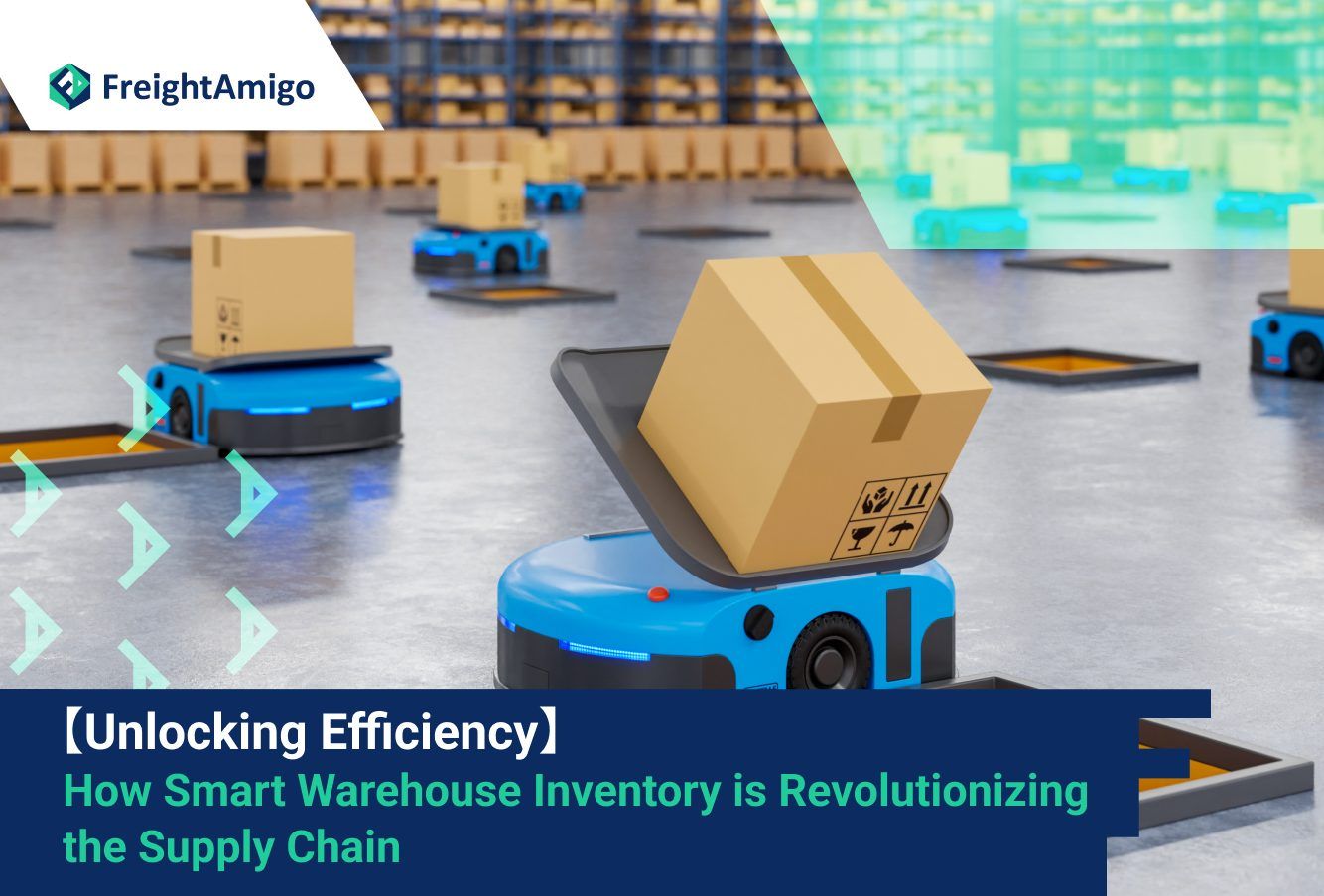
TL;DR: Smart warehouse inventory systems use IoT, AI, and AGVs to boost supply chain efficiency 50% in 2025, reducing costs and errors through real-time tracking and automation.
Smart Warehouse Inventory: Revolutionizing Supply Chain Efficiency in 2025
| Caspian Ng – /p>
Smart warehouse inventory systems are transforming logistics in 2025, integrating cutting-edge tech for unprecedented efficiency.
What Is Smart Warehouse Inventory Management?
Smart warehouse inventory harnesses IoT, AI, and robotics to optimize stock tracking and operations in real time.
These systems replace manual processes with automated, data-driven workflows. In 2025, amid global supply chain shifts, they ensure seamless inventory visibility.
Key to modern logistics, smart inventory reduces waste and speeds fulfillment.
- Real-time stock monitoring via sensors.
- AI-powered demand predictions.
- Automated picking and transport.
- Integration with warehouse management systems (WMS).
- Scalable for high-volume operations.
Key Components of Smart Warehouse Inventory Systems
The backbone of smart warehouses includes IoT sensors, AI analytics, and AGVs working in unison.
IoT devices collect data continuously. AI processes it for insights. AGVs handle movement.
WMS ties everything together for streamlined logistics.
| Component | Function | 2025 Benefit |
|---|
| IoT Sensors | Track location/temperature | 99% accuracy |
| AI Algorithms | Predict demand | 30% less overstock |
| AGVs | Transport goods | 50% faster movement |
| WMS | Central control | Full integration |
Top Benefits of Smart Warehouse Inventory in Supply Chains
Implementing smart inventory slashes costs by 25% and boosts accuracy to 99.9% in 2025.
Real-time data prevents stockouts. Automation cuts labor needs.
Supply chain resilience improves amid 2025 trade changes.
- Reduced inventory holding costs.
- Faster order fulfillment times.
- Minimized errors in picking.
- Better scalability for peaks.
- Enhanced sustainability via optimization.
How IoT Powers Smart Warehouse Inventory Tracking
IoT enables 24/7 monitoring, alerting issues before they disrupt supply chains.
Sensors on shelves track RFID-tagged items. Data flows to cloud platforms instantly.
In 2025, IoT handles perishable goods monitoring flawlessly.
- RFID for item-level tracking.
- Environmental sensors for conditions.
- Automated alerts for low stock.
- Integration with ERP systems.
- Edge computing for speed.
AI in Smart Warehouse Inventory: Predictive Optimization
AI analyzes patterns to forecast demand, optimizing smart warehouse inventory dynamically.
Machine learning refines placement and routes. Predictive maintenance avoids breakdowns.
2025 case: A logistics firm cut downtime 40% using AI insights.
Algorithms adapt to market volatility seamlessly.
AGVs and Robotics: Automating Smart Warehouse Movement
Automated guided vehicles (AGVs) revolutionize material handling in smart warehouses.
They navigate dynamically, carrying loads without human input. Safety sensors prevent collisions.
Paired with smart inventory, AGVs achieve 60% throughput gains.
- Load capacities up to 1,000kg.
- AI path optimization.
- 24/7 operation.
- Easy fleet scaling.
- Reduced injury risks.
Long-Tail: How to Implement Smart Warehouse Inventory Systems Step-by-Step
Follow this 2025 guide to deploy smart warehouse inventory without disruptions.
- Assess: Audit current workflows.
- Plan: Select scalable tech stack.
- Pilot: Test in one zone.
- Train: Upskill staff.
- Scale: Roll out fully, monitor KPIs.
- Maintain: Update for 2025 regs.
2025 Case Study: Smart Warehouse Inventory Success
A mid-size logistics provider integrated smart systems, yielding 35% efficiency gains.
Facing 2025 national tariff shifts, they used IoT-AI combo for adaptive inventory.
Results: Stock accuracy hit 99%, fulfillment sped 45%.
No WCO changes until 2027, but local adaptations shone.
FAQ: Smart Warehouse Inventory Questions Answered
Quick answers to top queries on smart warehouse inventory in 2025.
What is smart warehouse inventory? Advanced systems using IoT/AI for automated, real-time stock management.
How does IoT improve warehouse efficiency? By providing instant data on stock levels and conditions.
What ROI can expect from AGVs? Typically 20-50% labor savings within 18 months.
Is AI essential for smart inventory? Yes, for predictive analytics and optimization.
How secure are smart warehouse systems? Use encryption and compliance like GDPR for data protection.
What's new in 2025 for warehouse tech? Enhanced AI for volatile supply chains.
Can small warehouses adopt smart inventory? Yes, with modular, cloud-based solutions.
How to measure smart inventory success? Track metrics like accuracy, throughput, and cost per order.
Integration challenges? Start small and choose interoperable vendors.
Future of supply chain with smart warehouses? Fully autonomous ops by 2030.
Conclusion: Unlock Supply Chain Potential
Smart warehouse inventory drives logistics into a efficient 2025 era. Embrace it for competitive edge.
For tailored advice, Book a Demo. Contact: HKG: +852 24671689 / +852 23194879 | CHN: +86 4008751689 | USA: +1 337 361 2833 | GBR: +44 808 189 0136 | AUS: +61 180002752 Email: enquiry@freightamigo.com








 Global Popular RoutesTop sea & air shipping lanes
 Special OfferLimited-time shipping promotions





 Express
 Document
 Parcel - Air/Sea
 Container
 Relocation