Navigating US AI Chip Export Controls
Understanding Global Export Controls Regulations
The global trade landscape for advanced technology is undergoing a rapid transformation, driven by the evolution of artificial intelligence and semiconductor capabilities. For businesses in high-tech manufacturing, understanding global export controls regulations is a critical strategic pillar. At the heart of these international frameworks are dual-use export control rules, which govern items with both commercial and military applications. Shippers navigating complex dual-use export control regulations must maintain awareness of how these policies shift under the influence of major global trading powers like the United States.
In the advanced technology sector, US export controls set the international benchmark. These regulations are designed to safeguard national security by restricting access to critical technologies, such as advanced computing processors and AI-related equipment. Exporters must comply with strict United States export controls administered by the Department of Commerce's Bureau of Industry and Security (BIS). The enforcement of these export control rules often reflects broader political dynamics. In November 2026, administrative debates intensified between Treasury Secretary Scott Bessent and Commerce Secretary Howard Lutnick over the enforcement and drafting of advanced chip export rules (Al Jazeera).
To operate successfully, global shippers must stay aligned with BIS export restrictions. These Bureau of Industry and Security rules determine which technologies require authorization before crossing borders. Failure to keep pace with changing BIS licensing rules can result in regulatory penalties, cargo seizures, and the loss of exporting privileges.
Managing AI Chips Licensing Requirements
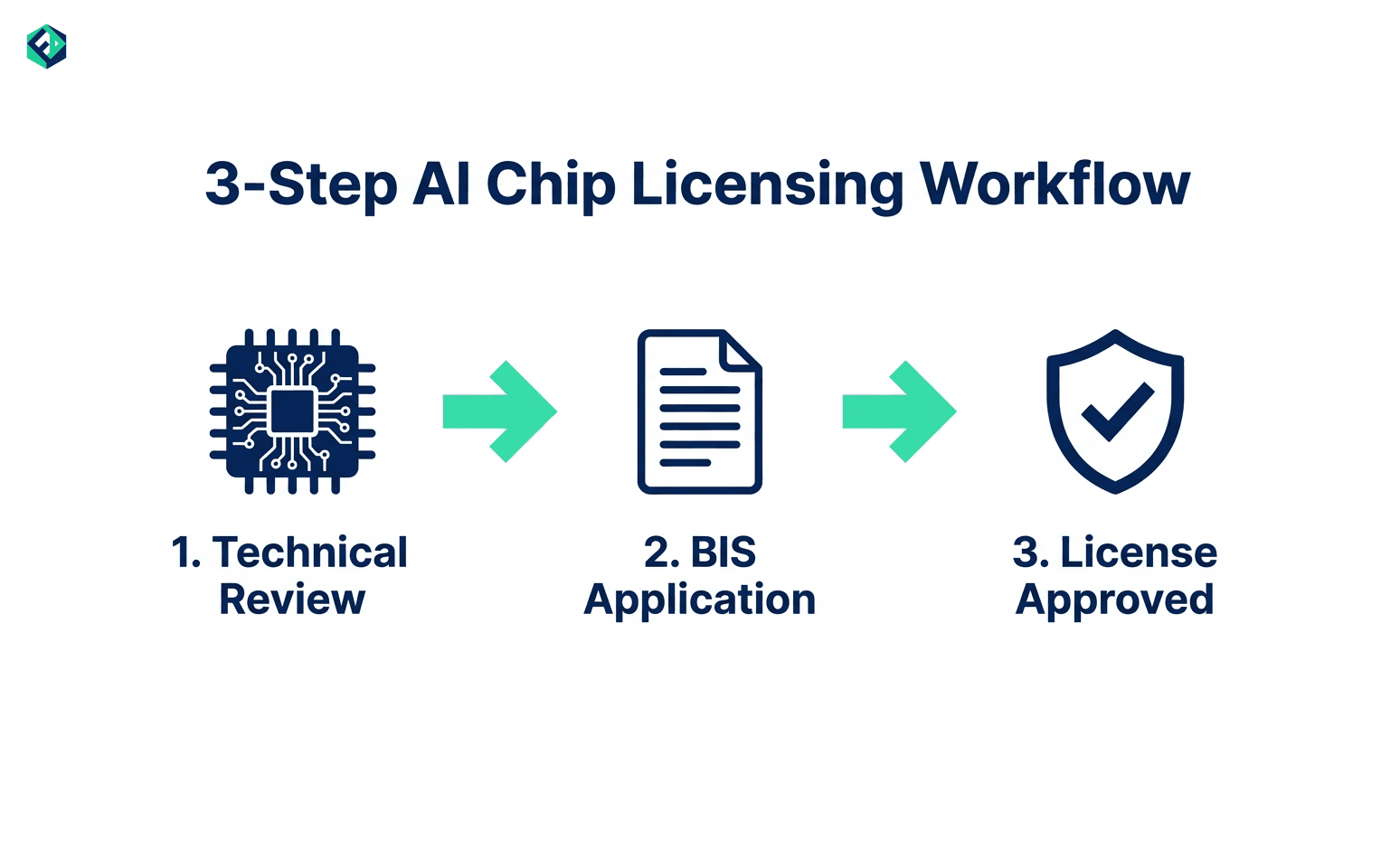
As artificial intelligence drives global industrial changes, the rules governing AI hardware have become exceptionally stringent. Managing AI chip licensing requirements is now a primary focus for semiconductor manufacturers and data center operators worldwide. When applying for BIS advanced computing chip licenses, organizations must navigate a highly structured evaluation process to ensure compliance.
The licensing for AI chips depends on the technical performance thresholds of the integrated circuits. High-performance processors designed for machine learning are subject to strict semiconductor license requirements. Exporters must determine if their products meet the technical criteria that trigger these controls. If they do, obtaining a special export license is required before shipping. This process involves a detailed special license application submitted to the BIS, disclosing technical specifications, the end-user, and the intended application.
The scale of this process is demonstrated by recent data: from December 2025 through May 2026, the US government approved the export of nearly 900,000 advanced AI chips (including Nvidia H200 and AMD MI325X) to Chinese entities under a BIS special license (Al Jazeera). This volume highlights that while trade is regulated, structured pathways exist. However, as new regulations are introduced, such as the November 2026 mandates requiring special licenses to prevent unauthorized remote access, the administrative burden of licensing for AI chips continues to grow.
Navigating International Trade Compliance Standards
Operating within the global high-tech sector requires a comprehensive approach to navigating international trade compliance standards. Organizations must establish systemic frameworks to ensure every aspect of their operations aligns with global trade compliance rules. Achieving compliance for global semiconductor shipping operations demands a proactive strategy that integrates regulatory screening directly into the corporate workflow.
A fundamental component of international trade compliance is monitoring restricted party lists. Under trade compliance rules, shipping to entities on the US Entity List or other international blacklists is prohibited without government authorization. The importance of enforcing these standards is highlighted by ongoing regulatory scrutiny. In late 2026, US lawmakers launched investigations into compliance enforcement, probing whether officials failed to restrict Megaspeed, a Singapore-based data center operator linked to a high-profile Nvidia espionage scandal (Al Jazeera). This situation underscores why compliance checks must be exhaustive, as even indirect relationships with blacklisted entities can expose a company to significant legal and operational risks.
To mitigate these risks, companies must implement a dedicated internal compliance program. This program should establish clear protocols for managing regulatory compliance for electronics, including automated restricted party screening, end-user verification, and robust record-keeping.
| Compliance Pillar | Key Objective | Operational Requirement |
|---|
| Restricted Party Screening | Prevent transactions with blacklisted entities | Screen partners against global denied-party databases |
| End-Use Certification | Verify final application of technology | Obtain binding statements regarding end-use of chips |
| Technical Classification | Determine licensing requirements accurately | Review product specifications against current control lists |
Securing Electronics Logistics Supply Chains
The physical movement of high-value semiconductor components presents unique challenges. Securing electronics logistics supply chains requires a combination of physical security, advanced tracking, and strategic logistics planning. Given the high market value of AI processors, reducing transit risks for high-value electronic shipments is a top priority for logistics managers.
The global semiconductor supply chain is sensitive to corporate and operational volatility. In late 2026, corporate governance transitions at major manufacturers, such as Nvidia's board confirming it would not reinstate former CEO Jensen Huang following his resignation, highlighted operational and market risks that can introduce uncertainty into electronics supply chain logistics (Al Jazeera). When shipping electronic components, logistics providers must implement specialized handling procedures, including anti-static packaging and climate-controlled environments.
To achieve this level of security and efficiency, businesses are adopting digital tools. Utilizing specialized platforms like FreightAmigo allows shippers to streamline their electronics logistics processes. Through integrated logistics planning, companies can access real-time cargo tracking, secure routing options, and instant freight quotes. This digital approach helps ensure complete visibility over the entire transit journey, enabling logistics managers to respond promptly to any deviations or delays.
Handling Strict Customs Clearance Processes
Even the most secure supply chain can grind to a halt if it encounters obstacles at international borders. Handling strict customs clearance processes is a critical phase of the shipping journey, requiring meticulous preparation. To avoid delays during international high-tech customs clearance, exporters must understand the specific demands of customs authorities and ensure documentation is flawless.
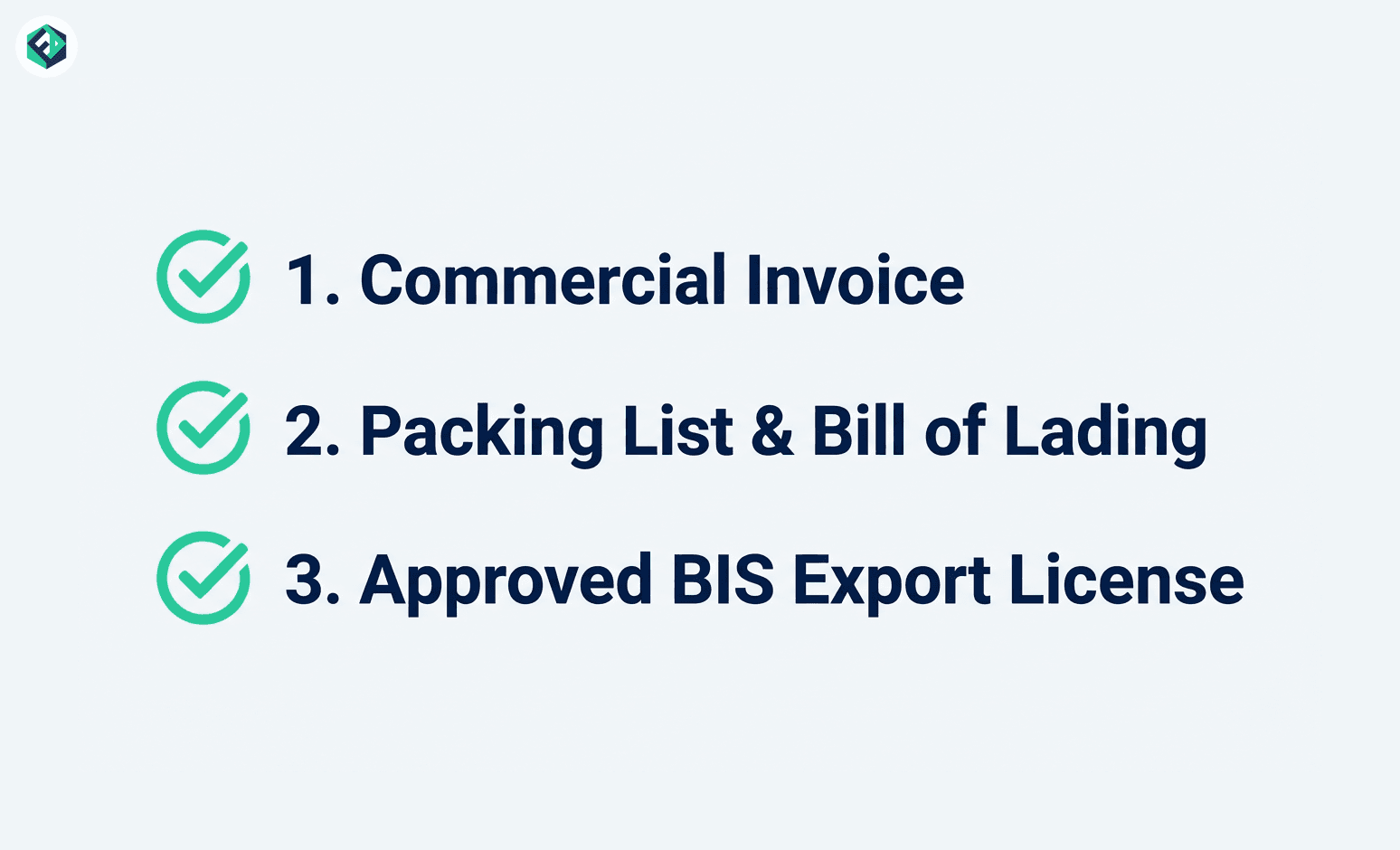
Clearing customs for electronics requires a comprehensive set of documents detailing the nature and regulatory status of the cargo. Meeting these customs documentation requirements is essential, as standard procedures dictate that shippers must provide a commercial invoice, packing list, bill of lading, and relevant export licenses. Because advanced semiconductors are subject to intense scrutiny, customs clearance documentation must include precise Harmonized System (HS) code classifications, such as HS 8542. Any mismatch in product descriptions can trigger immediate customs holds.
As geopolitical tensions persist, customs authorities are implementing increasingly rigorous screening measures. In November 2026, US lawmakers pushed for tougher rules on AI chip exports, reflecting the heightened regulatory focus on high-tech trade (Al Jazeera). To navigate these strict customs clearance environments, shippers should conduct thorough pre-arrival document audits, verify that export licenses are electronically linked, and collaborate with specialized customs brokers.
Shipping Advanced Semiconductors to Southeast Asia
Southeast Asia has emerged as a primary global hub for semiconductor packaging, testing, and data center operations. However, this regional expansion has drawn significant regulatory attention regarding technology diversion. Shipping advanced semiconductors to Southeast Asia now requires a sophisticated understanding of semiconductor shipping rules, as exporters must comply with third-country semiconductor diversion rules to maintain regulatory standing.
The regulatory landscape in this corridor changed significantly in November 2026. The US Department of Commerce closed a regulatory loophole by introducing new export license requirements for shipments of advanced AI chips to several countries, including Singapore, Malaysia, Thailand, and Indonesia (Al Jazeera). These nations have been identified as having higher diversion risks due to concerns that restricted entities might gain remote computing access to advanced processors. Consequently, exporting advanced processors or shipping advanced semiconductors to these destinations is subject to strict licensing standards.
To manage these restricted destination shipping requirements, exporters must conduct due diligence on all Southeast Asian partners. Shippers must verify the physical location of data centers, the identity of end-users, and the security measures in place. Managing these complex trade regulations while maintaining supply chain efficiency requires expert logistics planning and coordinated transport. FreightAmigo helps high-tech shippers navigate these regional challenges through professional freight booking and logistics consultation. Our platform supports your business with end-to-end shipment planning, secure door-to-door multimodal routing, and dedicated compliance support to ensure your semiconductor shipments meet all international standards. To streamline your global distribution and secure your supply chain, you can easily arrange your next shipment and obtain a Tailored Solution from our logistics experts.
FAQ
How can electronics shippers succeed in navigating complex dual-use export control regulations?
Shippers must stay aligned with evolving Bureau of Industry and Security (BIS) regulations. This proactive compliance helps avoid severe regulatory penalties and potential cargo seizures.
What are the key steps when applying for BIS advanced computing chip licenses?
Exporters must verify technical criteria and submit a detailed application. The process requires disclosing precise technical specifications, end-user identities, and intended applications to the BIS.
What frameworks help in achieving compliance for global semiconductor shipping operations?
Establishing a dedicated internal compliance program is essential. This framework should integrate automated restricted party screening, technical classification, and end-user verification into corporate workflows.
Which security measures are critical for reducing transit risks for high-value electronic shipments?
Implementing specialized handling and digital tracking tools reduces transit risks. Shippers should utilize protective packaging alongside real-time monitoring platforms to secure high-value electronic cargo.
How can exporters succeed in avoiding delays during international high-tech customs clearance?
Exporters should conduct pre-arrival document audits and ensure precise classifications. Providing accurate HS codes and verifying that export licenses are electronically linked prevents unexpected customs holds.
What steps are involved in complying with third-country semiconductor diversion rules?
Shippers must conduct strict due diligence on regional partners and verify end-users. Ensuring compliance requires verifying physical destination facilities and obtaining necessary licenses to prevent unauthorized remote access.


























 Global Popular RoutesTop sea & air shipping lanes
 Special OfferLimited-time shipping promotions





 Express
 Document
 Parcel - Air/Sea
 Container
 Relocation