The Complete Guide to Moving to Italy in 2026: Relocating Your Family to Sicily
Key Considerations for Relocating to Italy with Aging Parents
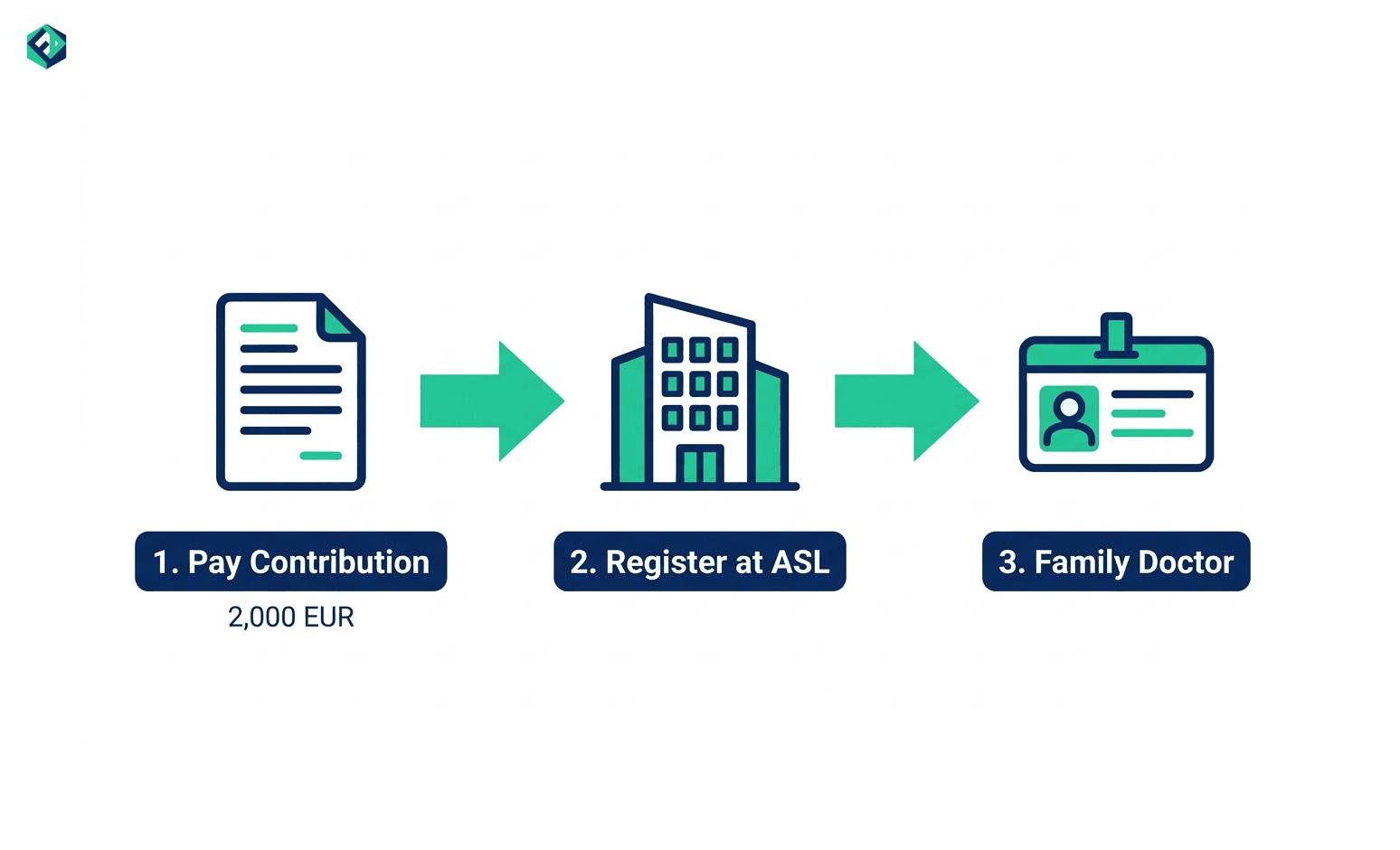
Many families are looking to the Mediterranean as they plan for the future, especially when moving to Italy in 2026. A major driver is the growing financial pressure on households in the United States. According to research on the boomer retirement crisis published by Business Insider, a significant retirement savings shortfall is forcing many Gen X and millennial children to financially support their aging parents. When faced with these intergenerational financial pressures, moving aging parents abroad to a country with a more manageable cost of living becomes an attractive alternative. For families choosing this path, relocating senior parents to Italy offers a way to balance quality of life with sustainable care. However, moving elderly parents to Italy requires thorough preparation regarding physical comfort and healthcare. Managing healthcare is a primary concern. Non-EU retirees can voluntarily enroll in Italy's national health service, the Servizio Sanitario Nazionale, by paying an annual contribution. According to the Italian Ministry of Health, this voluntary enrollment requires a minimum annual contribution of approximately 2,000 euros per person, which varies based on overall income. Once registered at the local Azienda Sanitaria Locale, seniors gain access to a family doctor. Families must note that public health systems have regional variations, and southern regions like Sicily may experience longer wait times. Therefore, establishing robust expat family support systems is essential. Utilizing expat family care networks and arranging private supplementary health insurance can significantly ease the transition. Ultimately, living abroad with elderly parents in Sicily is highly rewarding if families plan ahead to ensure physical accessibility and emotional support.
Planning Family Visits to Southern Italy and Sicily
Once the relocation is complete, planning family visits to southern Italy becomes a joyful routine. When visiting family in Sicily, coordinating travel schedules is key to ensuring that every trip is comfortable, particularly for older relatives. The timing of these family trips to Italy is crucial. The summer months in Sicily can bring intense heat, which may be challenging for elderly visitors. The spring months of April and May, or the autumn months of September and October, are widely considered the best periods for traveling to Sicily, offering mild weather and fewer crowds. For senior travel in Sicily, accessibility is an important factor to address. Many historic towns feature steep, cobblestone streets and limited elevator access. To make family visits seamless, researching accessible travel in Italy before departure is highly recommended. Renting an automatic vehicle is often the most reliable way to navigate the island, as public transport in rural areas can have limited schedules. Additionally, when booking accommodations, families should look for properties that explicitly state they have ground-floor entry or reliable elevator access, as historic Sicilian buildings often lack these features. Planning ahead with these practical Sicily travel tips for seniors ensures that every visit is filled with comfort.
Tips for Buying Real Estate in Small-Town Italy and Villages
For families looking to establish a permanent base, buying real estate in small-town Italy offers an affordable path to homeownership. The dream of buying a house in Sicily has grown in popularity, driven by the charm of historic villages and the availability of reasonably priced properties. However, navigating the Sicilian real estate market requires a clear strategy. Buyers must weigh the unique characteristics of historic village houses against modern alternatives. While homes in Italian villages offer unmatched architectural beauty and history, traditional Sicilian village houses often come with structural layouts that may not suit everyone. For example, traditional Italian neighborhood homes are frequently multi-story structures with narrow, steep staircases, which can present accessibility challenges. If you plan to buy property in Sicily for a multigenerational household, finding accessible, single-level properties is a priority. While rare in ancient town centers, single-level options can be found on the outskirts of villages or as renovated ground-floor apartments. The table below outlines the key differences between traditional village houses and renovated modern properties.
| Property Type | Accessibility Features | Renovation Needs | Location Charm |
|---|
| Historic Houses | Multiple levels, steep steps | High; strict preservation rules | Excellent; town center |
| Modern Homes | Single-level layouts, wide doors | Low; move-in ready | Good; quiet outskirts |
Choosing between these options depends on your family's specific needs and budget. Working with a registered local real estate agent who understands the regional market is essential to finding properties that balance traditional charm with modern accessibility.
The Social and Lifestyle Benefits of Moving Your Family to Italy
Beyond the practicalities of real estate, the social and lifestyle rewards of moving your family to Italy are profound. Embracing living in a Sicilian village offers a unique opportunity to experience a slower, more intentional pace of life. In Sicily, daily routines are centered around community, fresh local food, and family gatherings. This environment is particularly beneficial for those pursuing multigenerational expat living, as Italian culture holds deep respect for elders and places a high value on family integration. Participating in Sicilian village life means becoming part of a close-knit community where neighbors support one another and daily social interactions are the norm. For families moving families to Europe, this supportive social fabric helps ease the transition and fosters a strong sense of belonging. Children and grandparents alike benefit from the daily warmth of the local community. Expat life in Sicily is characterized by festive local markets, shared outdoor meals, and an active lifestyle that keeps all generations engaged. By choosing this lifestyle, families often find that expat family life in Italy helps strengthen family bonds, allowing generations to spend meaningful time together away from the fast-paced distractions of modern city living.
Understanding Italian Visa Requirements for Expats and Retirees
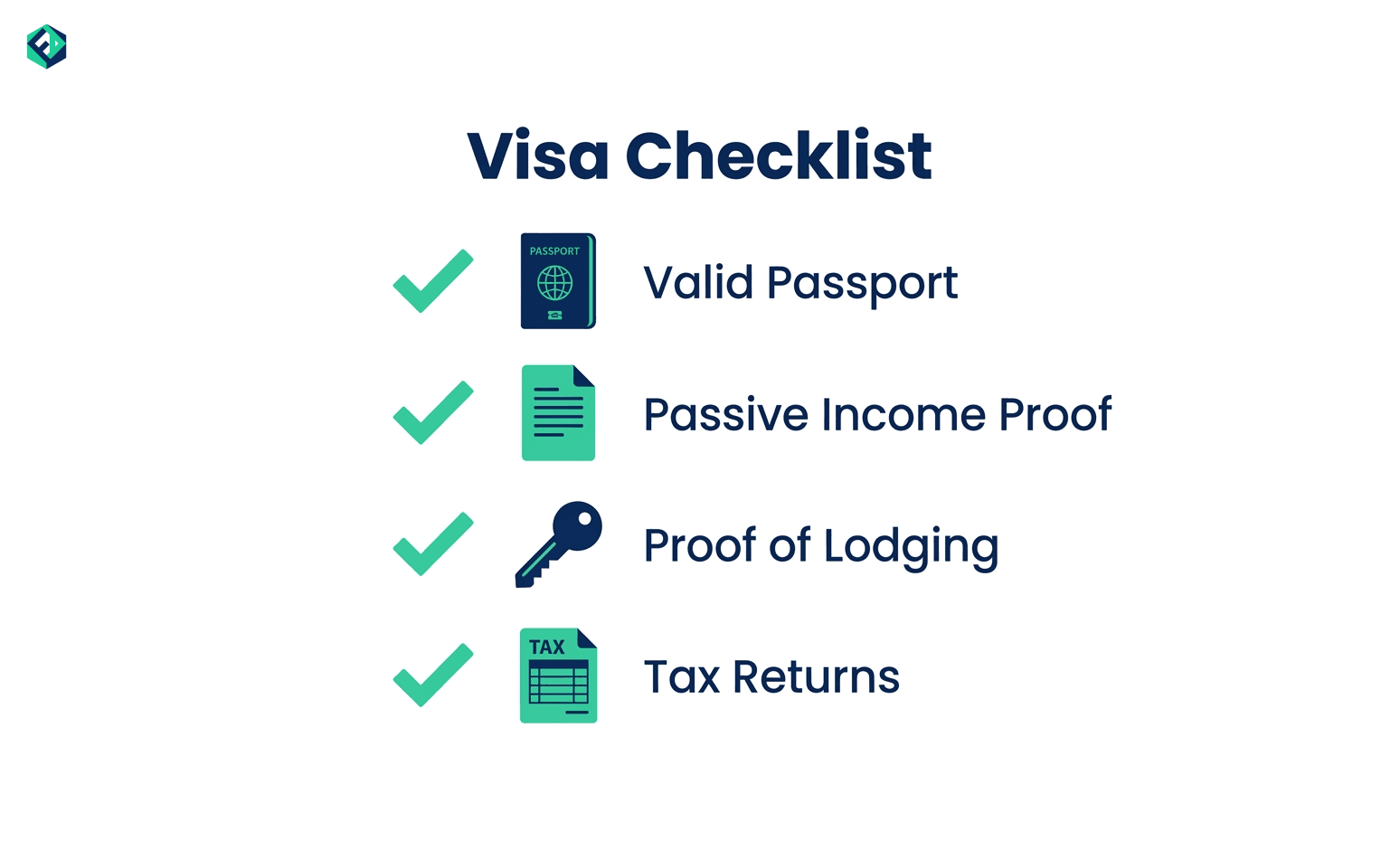
Navigating the legal pathway is one of the most critical phases of relocating. To ensure a smooth transition, understanding the specific Italy visa requirements is essential for all non-EU citizens. For retirees and those with independent wealth, the Italian elective residency visa is the most common pathway. This long-stay national visa is designed for individuals who can support themselves financially without working in Italy. According to official consular guidelines from the Consulate General of Italy in Los Angeles and the Consulate General of Italy in New York, applicants must demonstrate substantial, stable, and continuous passive income from private sources such as pensions, annuities, rental properties, or investments. Active employment income, including remote work, is strictly prohibited. The income benchmarks typically start around 2,600 euros per month or approximately 31,000 euros per year for single applicants, though exact thresholds are evaluated on a case-by-case basis and are higher for families. In addition to financial proof, applicants must provide a valid passport with at least two blank pages, last two years of tax returns, a formal letter explaining their reasons for relocating, and proof of lodging, such as a registered rental agreement or property deed registered with the Agenzia delle Entrate. Applications must be submitted in person at the Italian consulate. Upon arrival in Italy, visa holders must report to the local Questura within eight days to apply for their permesso di soggiorno. Navigating these visas for moving to Italy requires meticulous attention to detail. As reported by Business Insider, sudden retroactive changes in immigration rules can disrupt even the most carefully planned moves, as occurred with an American family in Turin who found themselves ineligible after a shift in legal interpretations. This underscores the necessity of having thorough legal backup plans and staying updated on evolving consular requirements.
Choosing Reliable International Relocation Services to Europe
Once the legal and property arrangements are in place, the physical move of your belongings must be coordinated. Choosing reliable international relocation services to Europe is key to protecting your household goods during transit. Coordinating the physical transfer of your family's personal belongings across continents requires careful planning and reliable execution. FreightAmigo simplifies this transition by offering professional freight booking and expert logistics consultation. Our platform provides comprehensive door-to-door support and multimodal shipping options to ensure your household goods arrive safely in Sicily. We help you plan the entire journey, managing the complex logistics of moving family heirlooms and furniture with clear transit coordination. To organize your relocation with expert guidance, consult our team to find a Tailored Solution for your moving needs.
- Inventory your belongings and separate items that are essential from those that can be sold or donated.
- Obtain multiple shipping quotes to understand the baseline international moving costs to Italy.
- Prepare detailed packing lists and ensure all personal goods are declared as used personal effects to qualify for duty-free entry.
- Coordinate with customs specialists to handle the required Italian import declarations and avoid port delays.
By working with experienced logistics partners, you can minimize the stress of shipping and focus on preparing your family for their new life in Sicily.
How to Buy Italian Property Remotely and Secure Your Dream Home
For many expats, the home-buying journey begins long before they set foot on Italian soil. In the modern real estate market, buying Italian property remotely has become a highly efficient and secure option. Many international buyers successfully complete their purchases using digital tools and local legal representation. If you are considering remote home buying in Italy, the process relies on appointing a trusted local professional, such as a bilingual lawyer, through a power of attorney known as a procura speciale. This legal document allows your representative to sign contracts, open an Italian bank account, and obtain your tax code on your behalf. Additionally, local real estate agents now offer detailed digital viewings, including high-definition video walkthroughs and virtual structural inspections. While a remote real estate purchase in Italy is entirely feasible, buyers must perform rigorous due diligence, checking property titles, ensuring there are no outstanding debts, and verifying that the building complies with local planning regulations. To begin this journey safely, your first actionable steps should include contacting an independent Italian real estate attorney to draft a procura speciale and setting up a consultation with a certified surveyor in Sicily. Additionally, calculating your relocation budget early is vital when planning a long-distance move. FreightAmigo allows you to instantly compare air, sea, and courier rates to secure the most cost-effective shipping options for your household goods. Our digital platform provides transparent cost visibility and multimodal rate comparisons, helping you manage your moving budget effectively. When you are ready to estimate your relocation costs, visit our platform to get an Instant Quote for your shipment. By securing professional legal and logistics guidance early, you can confidently navigate the purchasing process from abroad and ensure your family's transition to Sicily is secure, organized, and legally sound.
FAQ
How can we effectively manage healthcare and support systems for aging parents relocating to Italy?
Voluntary enrollment in Italy's national health service is available for non-EU retirees. Paying a minimum annual contribution of approximately 2,000 euros per person allows access to family doctors, though supplementary private insurance is recommended to handle regional wait times in Sicily.
What is the best time of year for elderly parents visiting southern Italy to ensure a comfortable trip?
The spring and autumn months are the most comfortable seasons for senior travel. Planning visits during April, May, September, or October ensures mild weather and fewer crowds compared to the intense summer heat of Sicily.
What are the key steps to finding accessible, single-level homes in small-town Italy?
Look on the outskirts of historic villages or seek out renovated ground-floor apartments. Traditional Sicilian village houses are often multi-story with narrow stairs, making it essential to partner with a registered local agent to locate accessible options.
How does relocating to rural Italy help in strengthening family bonds across generations?
Embracing a slower-paced Sicilian village life fosters closer community and family ties. Italian culture deeply values multigenerational living and respects elders, creating a supportive social environment where families can share daily routines and outdoor meals.
How can American retirees successfully navigate the complex Italian visa requirements?
Apply for an Elective Residency Visa by proving sufficient, stable passive income. Applicants must demonstrate passive earnings starting around 2,600 euros per month, submit proof of lodging, and report to the local Questura within eight days of arrival in Italy.
How do you select reliable international household goods relocation services to Italy?
Choose an experienced logistics provider like FreightAmigo to manage your door-to-door transit. You should compare international moving costs, draft a detailed inventory, and collaborate with customs specialists to facilitate duty-free entry for your used personal goods.
Is it possible to safely buy Sicilian real estate remotely without visiting the property first?
Yes, remote property purchases are highly secure when using local legal representation. Appointing a bilingual lawyer via a power of attorney allows them to manage transactions, while digital viewings and independent surveyors handle structural and legal verification.








 Global Popular RoutesTop sea & air shipping lanes
 Special OfferLimited-time shipping promotions





 Express
 Document
 Parcel - Air/Sea
 Container
 Relocation