Navigating the Baltimore Bridge Collapse: Logistics and Supply Chain Impacts
Understanding the Baltimore Bridge Collapse: Incident Details and Timeline
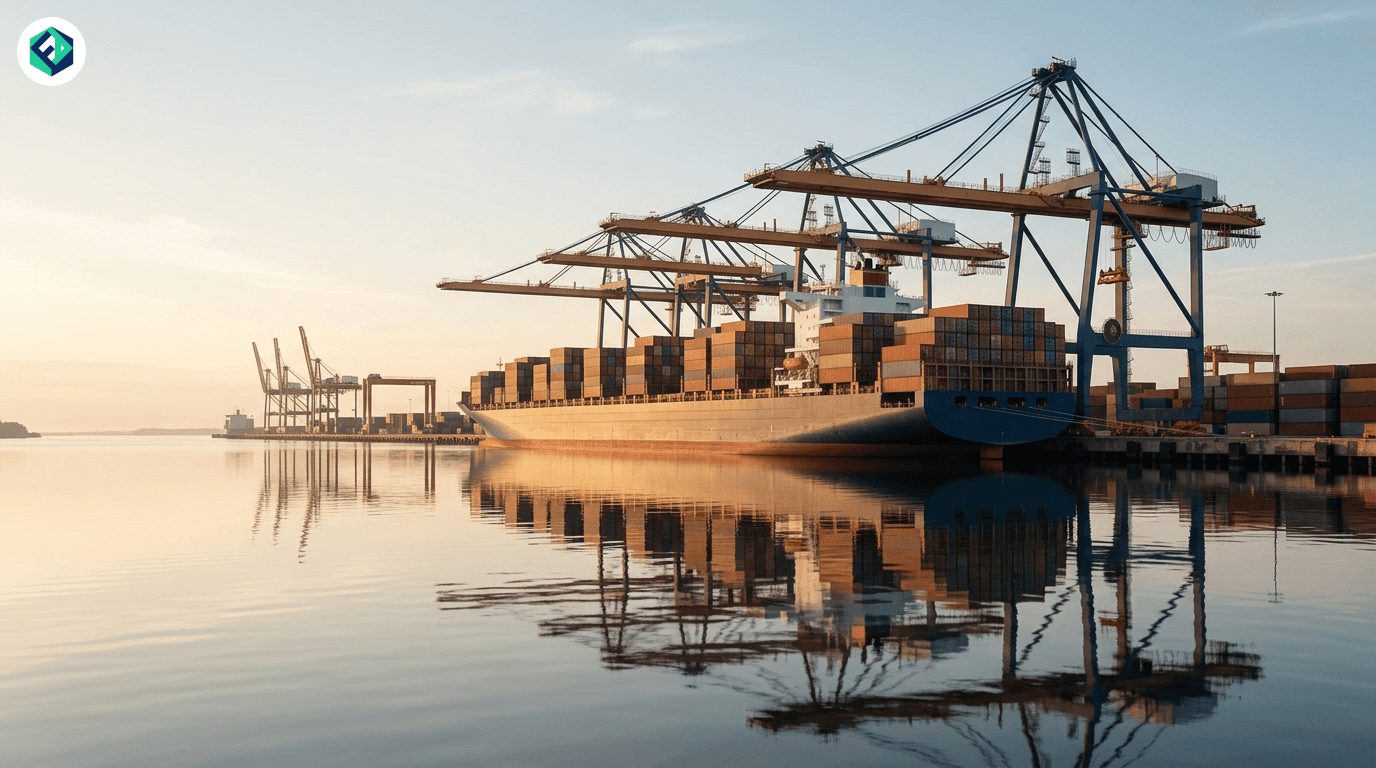
The maritime community was deeply affected when the Francis Scott Key Bridge in Baltimore collapsed into the Patapsco River. According to reports on the Francis Scott Key Bridge collapse after ship collision, the incident occurred in the early hours of March 26, 2024. The Singapore-registered vessel Dali, a 300-meter-long container ship, struck a support pillar of the bridge at approximately 1:27 a.m. As detailed in reports on the Baltimore bridge collapse incident details and timeline, the ship experienced a loss of propulsion and a power blackout shortly before the impact, leaving the crew unable to steer. This led to a direct collision that triggered the collapse of the bridge's main spans. At the time, construction workers were performing maintenance on the bridge. Emergency search and rescue operations were initiated, and as documented in reports regarding casualty recovery operations near the middle span, divers recovered the bodies of two victims, while others remained missing and were presumed dead. Regarding the vessel's regulatory standing, the Maritime and Port Authority of Singapore verified in an update on Dali ship inspections and structural certificates that the container ship possessed valid certificates and had passed port state inspections in 2023.
Analyzing the Port of Baltimore Trade and Cargo Volume
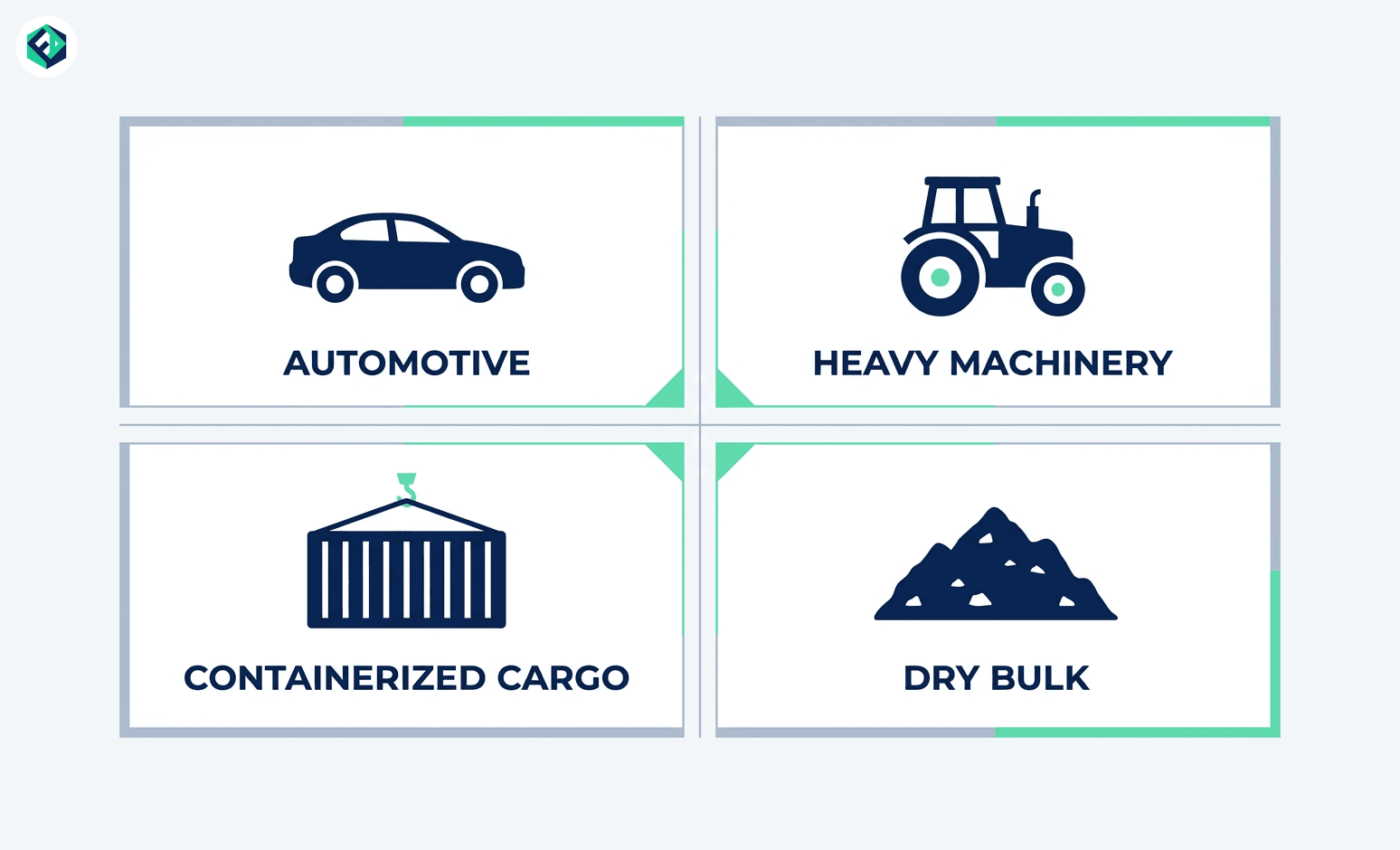
The Port of Baltimore represents a vital artery for international trade on the United States East Coast. According to an economic analysis of the economic cost of Baltimore's Key Bridge collapse, the port handles more than 47 million tonnes of foreign cargo annually, ranking among the busiest ports in the United States. This trade volume includes a significant share of the nation's coal exports and agricultural shipments, alongside its prominent position in the automotive sector. Baltimore is widely recognized as a premier US port for vehicle shipments, handling hundreds of thousands of cars annually for major global manufacturers due to its strategic location for roll-on/roll-off (RoRo) cargo, agricultural machinery, and heavy construction equipment.
| Cargo Category | Key Commodities Handled | Primary Terminal Type |
|---|
| Automotive Imports and Exports | Passenger vehicles, light trucks, commercial vans | Roll-on/Roll-off (RoRo) Terminals |
| Heavy Machinery | Agricultural tractors, construction equipment, industrial cranes | Specialized Bulk and RoRo Terminals |
| Containerized Cargo | Consumer electronics, retail apparel, packaged foods | Container Terminals (Dundalk & Seagirt) |
| Dry Bulk Commodities | Coal, iron ore, gypsum, salt, and agricultural grains | Specialized Bulk Terminals |
The temporary closure of these terminals means that trade lanes connecting the US Midwest and East Coast with European, Asian, and South American markets have been disrupted, requiring logistics managers to seek alternative routes.
Evaluating the Economic Cost of the Port Closure and Recovery
The economic cost of the port closure and subsequent recovery efforts is expected to have a profound impact on local and regional levels. Analysts have begun evaluating the financial damage, with early estimates indicating that daily losses from the port closure could exceed $15 million. This daily loss stems from halted terminal activities, delayed shipping transits, and the suspension of certain customs operations. Beyond direct cargo revenues, the regional labor market faces immediate pressure. Thousands of local longshoremen, truck drivers, and maritime service providers rely on daily operations at the port. The suspension of vessel traffic directly translates to substantial port labor wage losses, creating a ripple effect through the regional economy while salvage crews work to clear the shipping channel.
Projecting the Marine Insurance Losses from the Collapse
Given the scale of the disaster, the marine insurance losses from the collapse are expected to be substantial. Experts suggest that this incident could result in one of the largest marine insurance losses in history, with total claims potentially reaching billions of dollars. Underwriters at Lloyd's of London and other major global reinsurance syndicates are preparing for a complex web of claims. These claims will span several categories, including physical damage to the bridge infrastructure, extensive salvage costs to remove the bridge debris from the Dali and the riverbed, and liability claims. Additionally, business interruption claims filed by local terminals, shipping lines, and logistics operators may further increase the final payout, potentially leading to prolonged legal reviews over liability limits and maritime insurance policies.
Navigating Shipping Route Rerouting Across the East Coast
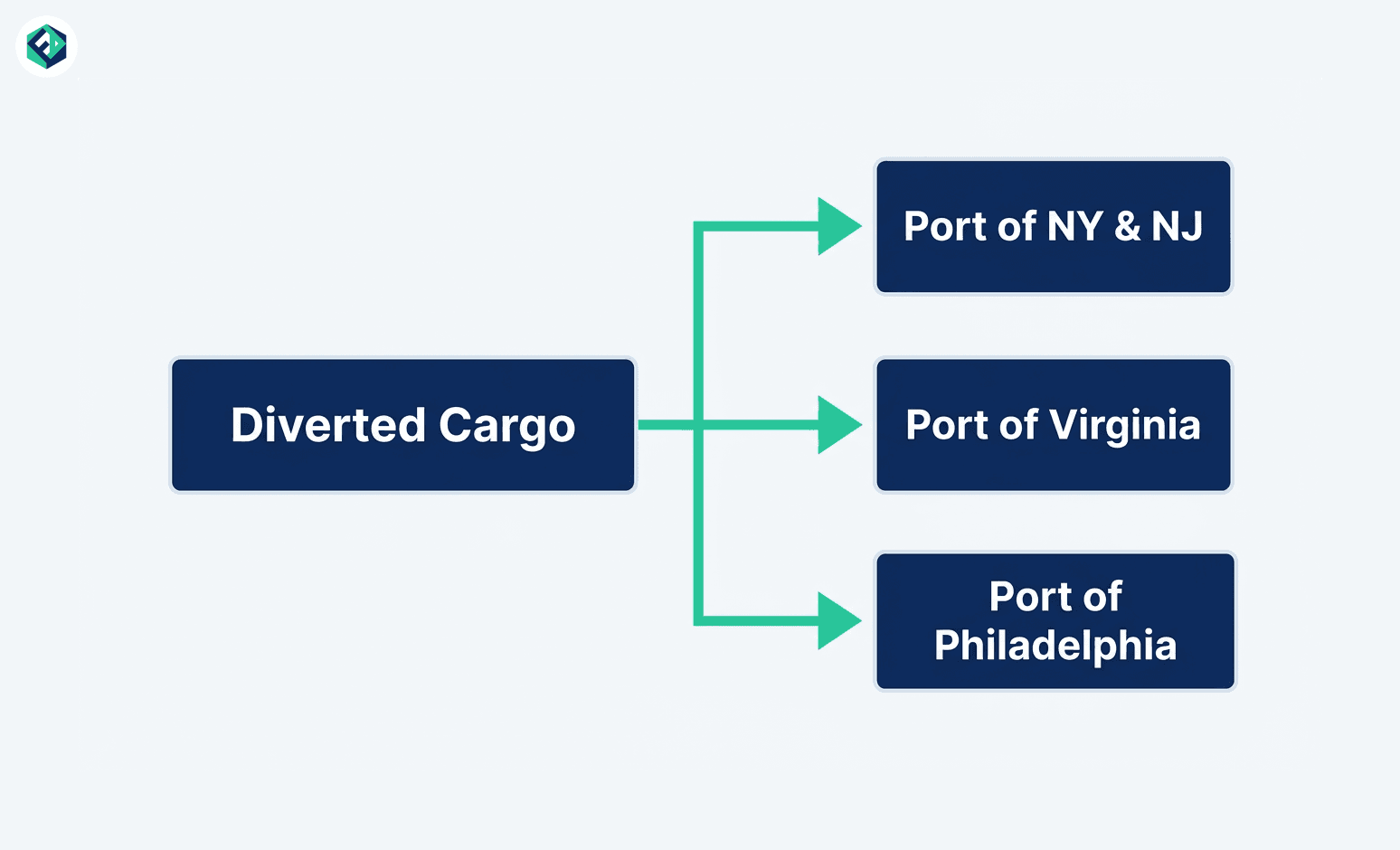
With the main shipping channel blocked, logistics managers must navigate shipping route rerouting across the East Coast to maintain supply chain continuity. Diverting Baltimore-bound ships to alternative ports has become an urgent priority. Nearby ports, such as the Port of New York and New Jersey, the Port of Virginia in Norfolk, and the Port of Philadelphia, possess the infrastructure to absorb a portion of the diverted cargo. However, this sudden influx of vessels threatens to create localized terminal congestion and equipment shortages.
To manage these challenges, shippers require advanced logistics coordination and real-time visibility. FreightAmigo helps businesses overcome these regional bottlenecks by providing immediate access to alternative routing and pricing. Our digital platform allows logistics managers to compare real-time air, sea, and rail options, helping you secure cargo space and maintain supply chain agility during unexpected disruptions. To quickly evaluate your alternative shipping routes and secure competitive rates, we invite you to get an Instant Quote today.
Measuring the Broader Supply Chain Impact on Consumers
The broader supply chain impact on consumers will depend heavily on the duration of the port closure. While major consumer price inflation is unlikely on a national scale, specific sectors will experience noticeable disruptions. The automotive supply chain is particularly vulnerable to these shocks, as delays in car shipments could lead to temporary inventory shortages at regional dealerships. Furthermore, the diversion of cargo to other East Coast ports increases domestic drayage and trucking distances, which may increase transportation costs. This situation highlights the vulnerabilities in modern logistics networks and raises questions about US port infrastructure resilience. Improving supply chain strength will require long-term investments in redundant logistics pathways and enhanced intermodal connections.
Contextualizing Global Shipping Disruptions and Bottlenecks
The Baltimore bridge collapse compounds existing global shipping disruptions and bottlenecks that have strained maritime trade. Global supply chains have already faced pressure from geopolitical conflicts and environmental challenges. For instance, Red Sea shipping disruptions have forced major shipping lines to bypass the Suez Canal, as detailed in reports on Red Sea shipping attacks and transit delays. This diversion routes vessels around the Cape of Good Hope, adding transit times and increasing container freight rates. Concurrently, the Panama Canal Authority has implemented transit restrictions due to drought-induced low water levels, as detailed in reports on the Panama Canal transit restrictions and drought backlog. This drought has limited daily ship transits, as analyzed in discussions exploring whether the Panama Canal is in danger of drying up. Historically, the Suez Canal has handled roughly 10 percent of international maritime trade, as documented in the Suez Canal historical trade capacity and strategic route context.
To build long-term resilience, shippers must transition from reactive crisis management to proactive risk mitigation. Shippers can implement the following strategic steps:
- Audit current vendor networks to identify potential failure points.
- Establish contracts with secondary East Coast ports to secure backup capacity.
- Implement digital logistics tools to achieve end-to-end container visibility.
- Diversify transportation modes and book alternative routes through digital platforms.
By taking these proactive measures, businesses can effectively protect their operations from localized port disruptions and maintain stable delivery timelines.
FAQ
What are the exact details of the Francis Scott Key Bridge container ship collision?
The Singapore-registered container ship Dali collided with a support pillar of the Francis Scott Key Bridge on March 26, 2024. The vessel suffered a loss of propulsion and a power blackout before striking the bridge, triggering a structural collapse of its main spans into the Patapsco River.
What are the major commodities and automotive imports handled in the Port of Baltimore?
The Port of Baltimore serves as a premier US hub for vehicle shipments, roll-on/roll-off cargo, and coal exports. It manages over 47 million tonnes of foreign cargo annually, including passenger vehicles, agricultural machinery, and containerized goods.
What are the daily financial losses and regional job impact estimates from the port closure?
Daily financial losses from the port closure are estimated to exceed $15 million, significantly affecting regional employment. The suspension of terminal operations has led to direct wage losses for thousands of local longshoremen, truck drivers, and maritime service providers.
How will multibillion-dollar claims for maritime business interruption affect marine insurance?
This incident is projected to trigger one of the largest marine insurance losses in history, with claims potentially reaching billions of dollars. Underwriters at Lloyd's of London and global reinsurance syndicates face complex claims spanning bridge damage, salvage operations, and business interruption liabilities.
How are container vessels being diverted to alternative East Coast ports?
Container ships are being redirected to nearby East Coast ports, including New York and New Jersey, Virginia, and Philadelphia. Although these alternative hubs help maintain supply chain continuity, the sudden cargo influx risks localized terminal congestion and equipment shortages.
What are the domestic inflation risks and port infrastructure bottleneck effects on consumers?
While major national inflation is unlikely, specific sectors like the automotive industry will experience localized inventory shortages. Rerouting cargo increases drayage and trucking distances, which raises overall transportation costs and highlights vulnerabilities in US port infrastructure.
How does this event interact with existing Suez Canal attacks and Panama Canal transit restrictions?
The collapse compounds existing global shipping bottlenecks, including Red Sea diversions and Panama Canal drought restrictions. These simultaneous disruptions force vessels to take longer alternative routes, increasing global transit times and container freight rates.



 Global Popular RoutesTop sea & air shipping lanes
 Special OfferLimited-time shipping promotions


 Express
 Document
 Parcel - Air/Sea
 Container
 Relocation