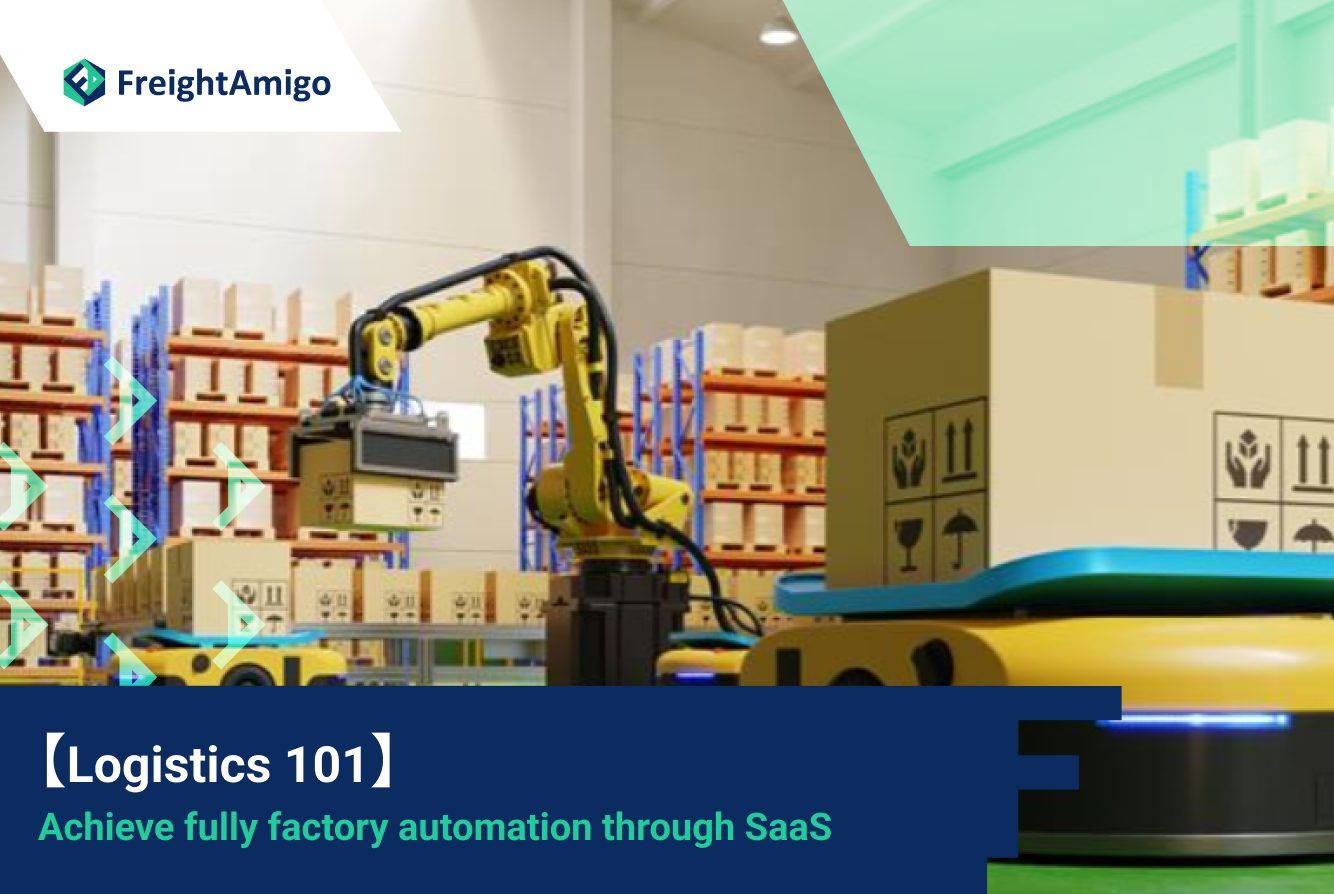
Factory Automation SaaS: Achieve Full 2025 Guide
TL;DR: Discover how **factory automation SaaS** transforms manufacturing with cloud-based tools for end-to-end processes, boosting efficiency time analytics.
What is Factory Automation in 2025?
**Factory automation** uses advanced tech like robotics and SaaS to streamline manufacturing, cutting costs and boosting output. From material handling to packaging, it minimizes human input for higher productivity.
In 2025, with rising labor costs and supply chain demands, automation levels range from basic to fully autonomous factories running 24/7.
Types of Factory Automation Systems
**Factory automation** comes in varying degrees based on budget and process needs.
- Minimal Automation: Basic tools aid manual tasks like quality checks.
- Single Machine Automation: Standalone devices handle repetitive jobs like cutting.
- Automated Production Lines: Conveyor-integrated stations for sequenced tasks.
- Fully Automated Factories: No human operators, with AI self-adjustments.
How SaaS Enables Factory Automation
**Factory automation SaaS** platforms integrate cloud software to orchestrate hardware and data flows.
These systems connect IoT sensors, ERP, and robotics for seamless operations.
| Automation Level | SaaS Role | 2025 Benefit |
|---|
| Minimal | Basic monitoring | 10% error reduction |
| Production Line | Real-time scheduling | 30% speed increase |
| Full | AI predictive maintenance | 50% downtime cut |
Key Benefits of Factory Automation SaaS
**Factory automation SaaS** drives efficiency through scalability and low upfront costs.
- Real-time data analytics for quick decisions.
- Scalable cloud infrastructure handles growth.
- Integration with existing machinery via APIs.
- Reduced errors with automated quality controls.
- Cost savings: up to 35% on labor per 2025 studies.
Steps to Achieve Full Factory Automation with SaaS
**Factory automation SaaS** implementation follows a proven roadmap.
- Assess Current Processes: Audit workflows for bottlenecks.
- Select SaaS Platform: Choose IoT-compatible tools.
- Integrate Hardware: Link robots and sensors.
- Test and Scale: Pilot on one line, then expand.
- Monitor with AI: Use dashboards for ongoing optimization.
2025 Case Study: Factory Automation SaaS Success
In 2025, electronics firms achieved 45% throughput gains using **factory automation SaaS**.
A mid-sized plant integrated cloud SaaS with cobots, reducing cycle times from 5 to 2 minutes per unit. IoT data predicted failures, saving $200K annually.
Challenges in Factory Automation SaaS Adoption
**Factory automation SaaS** faces hurdles like integration complexity.
- Cybersecurity risks in connected systems.
- High initial training for staff.
- Legacy equipment compatibility.
- Data silos across departments.
Solutions include phased rollouts and vendor support.
Future Trends: Factory Automation SaaS 2025-2027
**Factory automation SaaS** evolves with AI and edge computing.
- AI-driven predictive analytics.
- 5G for ultra-low latency.
- Sustainable automation for green manufacturing.
- No major WCO changes until 2027, but national regs boost SaaS demand.
Logistics Integration for Full Factory Automation
**Factory automation SaaS** extends to outbound logistics for end-to-end flow.
Cloud platforms sync production with shipping, automating dispatch via APIs.
FAQ: Factory Automation SaaS Explained
Quick answers to top **factory automation** questions.
What is factory automation SaaS? Cloud software that automates manufacturing via IoT and AI integrations.
How much does factory automation cost in 2025? Starts at $10K/year for SaaS, scaling with hardware.
Can SMEs achieve full factory automation? Yes, via modular SaaS without massive capex.
What ROI from factory automation SaaS? Typically 200-300% within 18 months.
Is factory automation SaaS secure? Top platforms use encryption and compliance standards.
How to start factory automation? Begin with process audit and SaaS trial.
What hardware pairs with factory automation SaaS? Robots, sensors, and conveyors via standard protocols.
Will AI replace full factory automation? AI enhances it, enabling self-optimizing factories.
Factory automation SaaS vs on-premise? SaaS offers flexibility and lower costs.
2025 factory automation regulations? Focus on data privacy and worker safety.
Resources for Factory Automation Success
For logistics integration in your automated factory, consider tools like FreightAmigo. Book a Demo to explore options.
Contact: HKG: +852 24671689 | CHN: +86 4008751689 | USA: +1 337 361 2833 | Email: enquiry@freightamigo.com








 Global Popular RoutesTop sea & air shipping lanes
 Special OfferLimited-time shipping promotions





 Express
 Document
 Parcel - Air/Sea
 Container
 Relocation