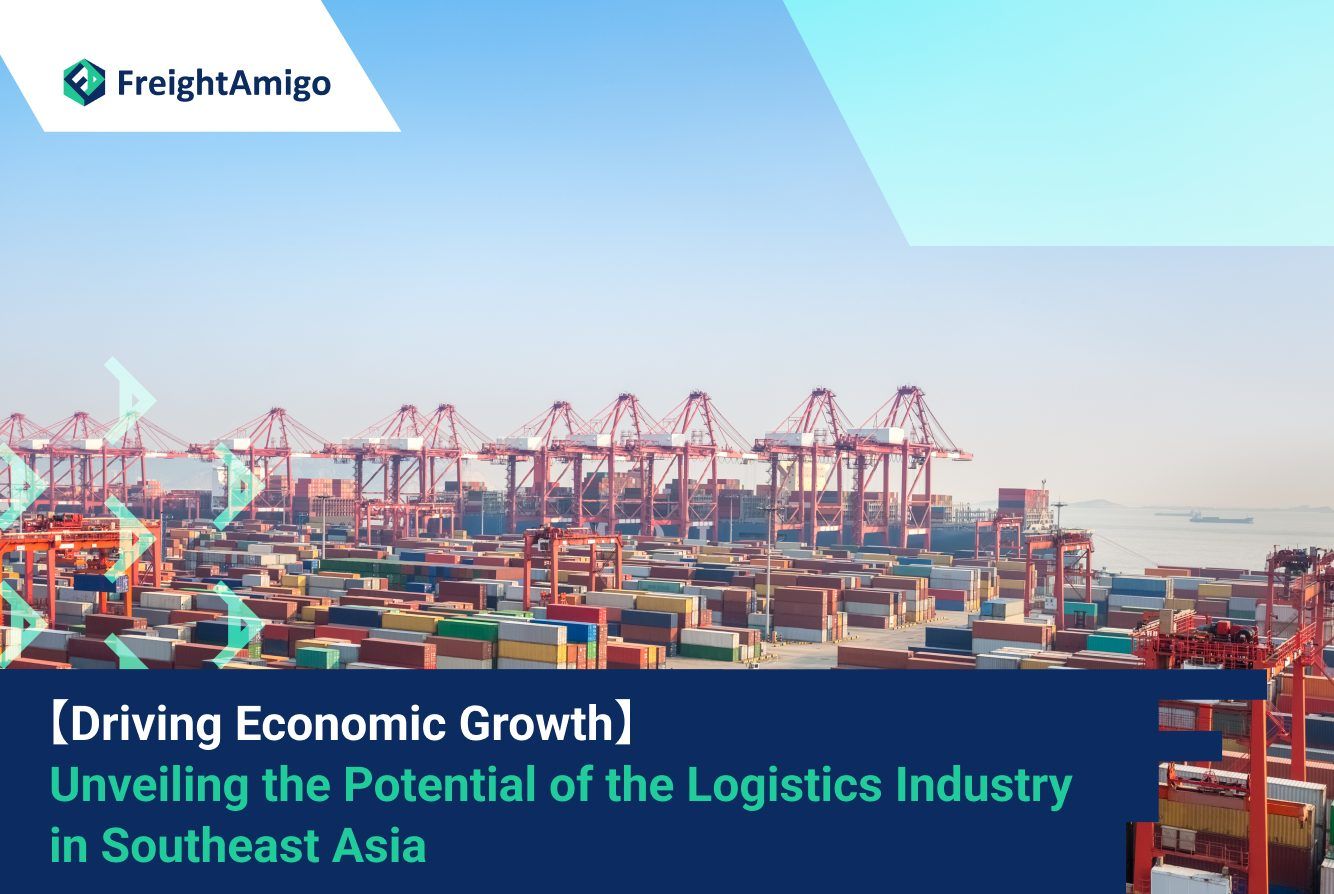
Logistics Industry Southeast Asia: Driving Economic Growth 2025
TL;DR: Southeast Asia Logistics Industry Driving Economic Growth
Southeast Asia's logistics industry fuels 2025 economic growth through e-commerce, infrastructure, and trade. Expect 7-8% GDP boost from supply chain shifts, RCEP, and tech innovations, positioning the region as a global hub.
Southeast Asia Economic Landscape Boosted by Logistics 2025
Southeast Asia's logistics industry drives robust economic growth in 2025. Resilient amid global shifts, the region benefits from supply chain diversification away from China.
- 450+ million middle-class consumers fueling demand
- Urbanization at 50%+, spurring logistics needs
- Population boom supporting sustained expansion
- Rising FDI in manufacturing and logistics hubs
- Projected logistics market value: US$400 billion by 2027
These dynamics create a fertile ground for logistics industry growth in Southeast Asia.
E-commerce Surge: Key Driver of Logistics Industry Growth
E-commerce explosion propels Southeast Asia's logistics industry forward in 2025. Digital economy hits US$350 billion, demanding agile supply chains.
- 500 million internet users across ASEAN
- Last-mile delivery networks expanding 20% yearly
- Cross-border e-commerce up 30% via platforms
- Tech investments in warehousing automation
- Mobile commerce leading transaction volumes
This catalyst transforms logistics operations region-wide.
Infrastructure Upgrades Powering Regional Logistics Connectivity
Major infrastructure projects supercharge Southeast Asia logistics industry in 2025. Enhanced networks cut transit times by 25%.
| Project | Country | Impact on Logistics |
|---|
| Asian Highway Network | Thailand-Vietnam | 20% faster road freight |
| High-speed rail | Indonesia | Inter-city goods movement |
| Port modernizations | Singapore/Malaysia | Capacity up 40% |
| Smart logistics parks | Philippines | Multi-modal integration |
These developments strengthen supply chain resilience.
Supply Chain Diversification: Manufacturing Boom in Logistics Hubs
Southeast Asia emerges as prime manufacturing alternative, boosting logistics industry. Vietnam leads with 15% FDI growth in 2025.
- Industrial parks expanding in Thailand, Indonesia
- Electronics, automotive sectors driving freight volumes
- FTZs streamlining logistics flows
- Just-in-time delivery models adopted widely
- 2025 case study: Vietnam's electronics exports up 25%
This shift generates massive logistics opportunities.
RCEP and Trade Agreements Fueling Logistics Market Integration
Regional Comprehensive Economic Partnership (RCEP) accelerates Southeast Asia logistics growth. Full implementation slashes tariffs by 90%.
- ASEAN Single Window cuts customs time to 4 hours
- Harmonized standards across 15 nations
- Cross-border e-commerce protocols established
- Increased intra-ASEAN trade volumes 18%
- Digital trade documents mandatory by 2025
These pacts create seamless logistics corridors.
Tech Innovations Transforming Southeast Asia Logistics Industry
Cutting-edge technologies revolutionize logistics operations across Southeast Asia 2025. AI adoption reaches 65% in major firms.
- AI-powered route optimization saves 15% fuel
- Blockchain ensures 99.9% shipment traceability
- IoT sensors enable real-time inventory
- Drones handle 30% urban last-mile in pilots
- 5G networks support autonomous trucking tests
Innovation drives efficiency and competitiveness.
Sustainable Logistics Practices Gaining Traction in 2025
Green initiatives become core to Southeast Asia's logistics industry strategy. Carbon emissions targeted for 20% reduction.
- Electric fleets in Singapore, Jakarta operations
- Solar-powered warehouses in Thailand
- Biofuel adoption in maritime shipping
- Reusable packaging cuts waste 40%
- Green certification mandatory for govt contracts
Sustainability opens new economic opportunities.
How to Leverage Southeast Asia Logistics Growth for Business
Strategic steps unlock logistics industry potential in Southeast Asia 2025. Follow this roadmap for supply chain success.
- Assess market entry: Analyze Vietnam/Indonesia cost advantages
- Partner locally: Collaborate with regional logistics providers
- Adopt tech stack: Implement AI/IoT for visibility
- Ensure compliance: Navigate RCEP customs digitally
- Prioritize sustainability: Meet green logistics standards
- Scale last-mile: Invest in micro-fulfillment centers
This how-to maximizes economic benefits.
Future Challenges and Opportunities in Regional Logistics
Southeast Asia logistics industry faces hurdles but bright prospects in 2025. Proactive strategies ensure continued growth.
| Challenge | Solution | 2025 Impact |
|---|
| Infrastructure gaps | Public-private partnerships | Rural connectivity +30% |
| Skilled labor shortage | Vocational training programs | 50K new jobs created |
| Cybersecurity risks | Blockchain verification | 99% secure transactions |
Addressing these sustains momentum.
FAQs: Southeast Asia Logistics Industry 2025
- What drives logistics industry growth in Southeast Asia? E-commerce, RCEP, and manufacturing diversification fuel 8% annual expansion.
- How does e-commerce impact regional logistics? Generates US$100B in delivery demand with advanced last-mile networks.
- What infrastructure projects boost connectivity? Asian Highway, high-speed rail, and smart ports reduce transit by 25%.
- How is RCEP transforming logistics? Eliminates 90% tariffs and streamlines cross-border customs.
- What technologies shape Southeast Asia logistics? AI, blockchain, IoT, and drones enhance efficiency 20-30%.
- Why choose Southeast Asia for supply chains? Cost advantages, strategic location, and trade agreements vs. China.
- How is sustainability addressed in logistics? Electric vehicles, solar warehouses, and green corridors cut emissions 20%.
- What are key 2025 logistics challenges? Skill gaps, cyber risks, and infrastructure solved via partnerships.
- Which countries lead logistics growth? Vietnam, Thailand, Indonesia with manufacturing and port expansions.
- How to enter Southeast Asia logistics market? Partner locally, adopt tech, ensure RCEP compliance for success.
Conclusion: Logistics Driving Southeast Asia Economic Growth
Southeast Asia's logistics industry catalyzes 2025 economic prosperity. From e-commerce to green tech, the sector contributes 10%+ to GDP growth. Businesses thriving here leverage regional advantages for global competitiveness.
For tailored logistics solutions, Book a Demo or contact: HKG: +852 24671689 | CHN: +86 4008751689 | USA: +1 337 361 2833 | enquiry@freightamigo.com.








 Global Popular RoutesTop sea & air shipping lanes
 Special OfferLimited-time shipping promotions





 Express
 Document
 Parcel - Air/Sea
 Container
 Relocation