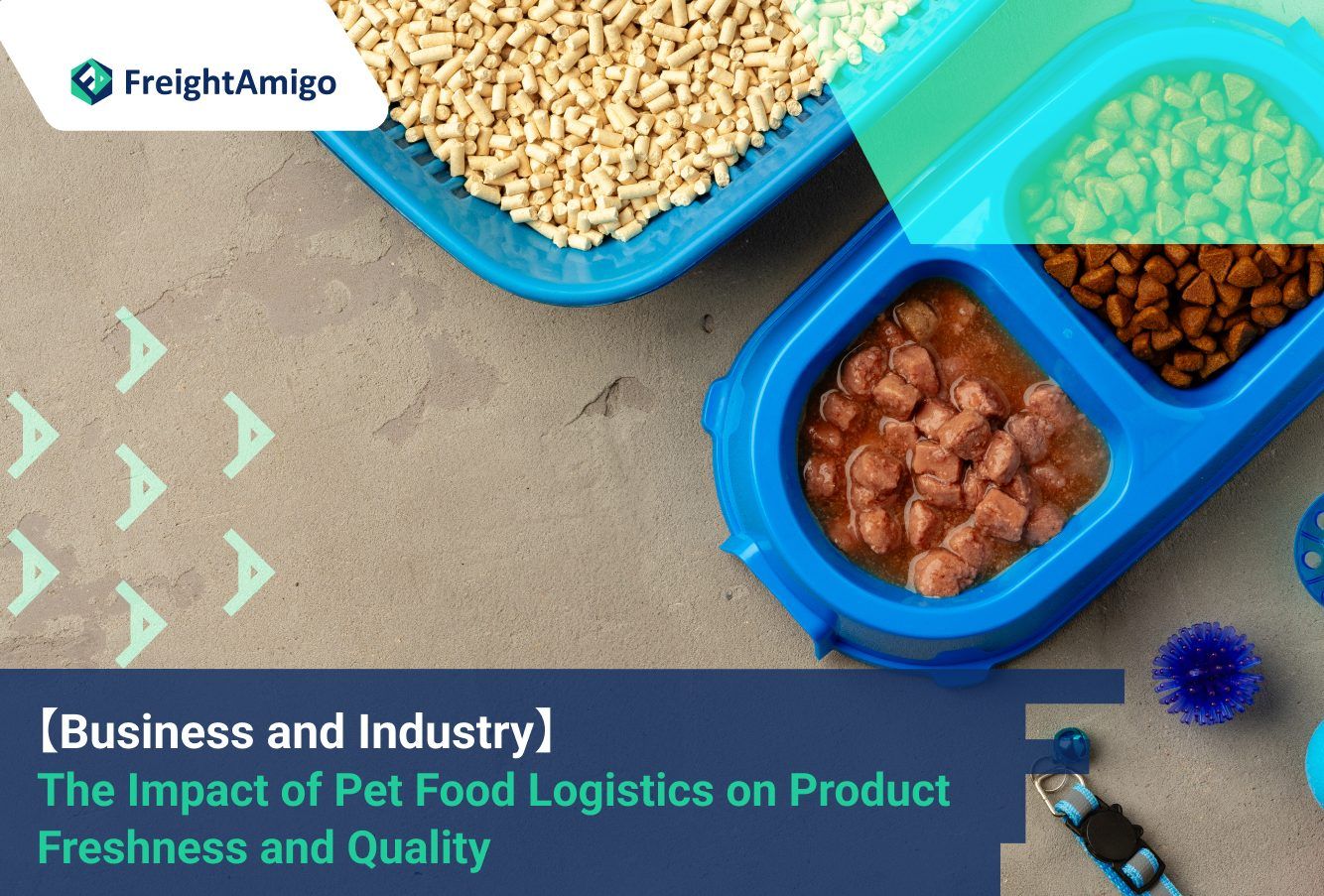
Pet Food Logistics Impact on Freshness & Quality 2025
TL;DR: Pet food logistics directly affects product freshness and quality through temperature control, proper packaging, and efficient supply chains. Discover 2025 best practices, challenges, and innovations to ensure optimal pet nutrition delivery.
Latest update on /p>
Why Pet Food Logistics Matters in 2025
Pet food logistics ensures products reach pet owners fresh and nutritious amid rising demand. The global pet food market hit $140 billion in 2024, projected to grow 5% annually through 2025 per industry reports. Effective logistics prevents spoilage, maintains nutritional value, and builds consumer trust.
- Preserves vitamins and proteins during transit.
- Reduces waste from expired inventory.
- Meets strict 2025 food safety regulations.
- Supports premium, perishable pet foods like raw diets.
- Enhances brand reputation in competitive markets.
Pet Food Supply Chain Overview for Optimal Freshness
The pet food supply chain spans sourcing to delivery, each stage critical for quality control. From farm-fresh ingredients to store shelves, disruptions at any point compromise freshness.
- Sourcing: Select premium ingredients like organic meats and grains.
- Manufacturing: Process under controlled conditions to lock in nutrients.
- Packaging: Seal against contaminants and moisture.
- Warehousing: Store in climate-controlled facilities.
- Transportation: Use specialized logistics for timely, temperature-stable delivery.
In 2025, national regulations like EU's updated feed hygiene rules demand traceable chains, per WCO guidelines.
How Temperature Control Affects Pet Food Freshness
Temperature fluctuations are the top threat to pet food quality in logistics. Ideal ranges: dry kibble 15-25°C, wet food 2-8°C, frozen -18°C or below.
| Pet Food Type | Optimal Temp (°C) | Logistics Method |
|---|
| Dry Kibble | 15-25 | Standard containers |
| Wet Canned | 2-8 | Reefer trucks |
| Frozen Raw | -18 | Cold chain reefers |
| Treats | 10-20 | Air freight with monitoring |
- IoT sensors provide real-time alerts in 2025 shipments.
- 2025 case study: A US pet food brand cut spoilage 40% with GPS-enabled reefers.
Best Packaging Practices for Pet Food Logistics Quality
Packaging shields pet food from damage, contamination, and oxidation during transit. Multi-layer barriers prevent moisture ingress and light exposure.
- Use vacuum-sealed pouches for wet foods.
- Opt for recyclable, sturdy boxes for bulk kibble.
- Incorporate oxygen absorbers to extend shelf life.
- Label with clear expiration and handling instructions.
- Test for drop and compression per 2025 ISO standards.
Efficient Inventory Management in Pet Food Supply Chains
Smart inventory prevents overstocking and ensures FIFO rotation for peak freshness. AI-driven systems forecast demand accurately in 2025.
- Track batches with RFID tags.
- Automate reorders to avoid shortages.
- Integrate with logistics for just-in-time delivery.
- Minimize waste through predictive analytics.
2025 Challenges in Pet Food Logistics and Solutions
Rising fuel costs and regulations pose hurdles, but tech offers fixes. International shipments face varying 2025 customs rules on perishables.
- Challenge: Delays in cold chain compliance. Solution: Pre-clearance digital docs.
- Challenge: High energy for reefers. Solution: Solar-powered containers.
- Challenge: Global disruptions. Solution: Multi-modal routing.
- Challenge: Traceability. Solution: Blockchain for end-to-end visibility.
- Opportunity: 2025 WCO-aligned standards boost efficiency.
Innovations Transforming Pet Food Logistics in 2025
Tech like AI and drones revolutionizes freshness preservation. Real-time data optimizes routes, cutting transit time 25%.
- AI predictive maintenance for vehicles.
- Drone deliveries for last-mile in urban areas.
- Blockchain verifies ingredient origins.
FAQ: Pet Food Logistics and Product Freshness
Quick answers to common questions on maintaining pet food quality.
Q: How long can pet food stay fresh in transit? A: Dry foods last 4-6 weeks; wet/frozen need 48-72 hours with proper cooling.
Q: What is the best shipping method for frozen pet food? A: Reefer containers or air freight with dry ice for international routes.
Q: Does packaging affect pet food nutrition? A: Yes, airtight seals preserve 95% of nutrients versus 70% in poor packaging.
Q: How to check if logistics maintained temperature? A: Review IoT logs showing continuous monitoring data.
Q: What 2025 regulations impact pet food shipping? A: Updated FDA and EU rules mandate full traceability and pathogen testing.
Q: Can pet food spoil from heat during logistics? A: Yes, above 30°C accelerates fat rancidity in 24 hours.
Q: Is sustainable packaging viable for pet food? A: Biodegradable materials now match durability of plastics per 2025 tests.
Q: How does inventory management prevent waste? A: FIFO systems ensure oldest stock ships first, reducing expiry by 30%.
Q: What role does collaboration play? A: Shared platforms align suppliers and carriers for seamless handoffs.
Conclusion: Mastering Pet Food Logistics for Quality
Pet food logistics profoundly impacts freshness and quality. Implement temperature control, robust packaging, and tech innovations to excel in 2025. For tailored solutions, Book a Demo with experts. Contact: HKG +852 24671689, CHN +86 4008751689, USA +1 337 361 2833, GBR +44 808 189 0136, AUS +61 180002752 | Email: enquiry@freightamigo.com








 Global Popular RoutesTop sea & air shipping lanes
 Special OfferLimited-time shipping promotions





 Express
 Document
 Parcel - Air/Sea
 Container
 Relocation