





 Express
 Document
 Parcel - Air/Sea
 Container
 Relocation


If you have any inquiries on logistics / supply chain, feel free to contact FreightAmigo now:
Chat with us online | Hotline: +852 28121686 | WhatsApp: +852 27467829






















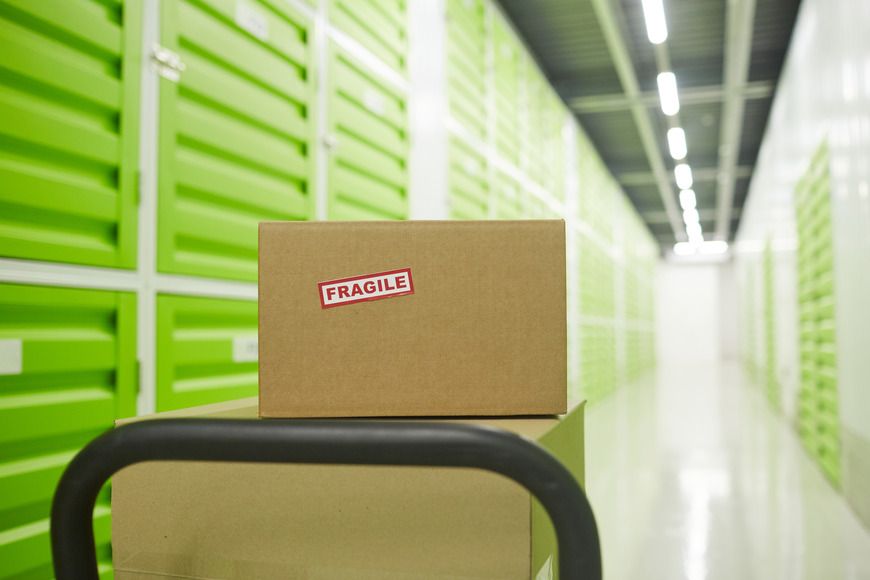
In the complex world of international logistics, few aspects are as crucial as the proper labeling of dangerous goods. This seemingly simple task can make the difference between a smooth shipping process and a potentially catastrophic incident. At FreightAmigo, we understand the intricacies of shipping dangerous goods and the vital role that correct labeling plays in ensuring safety and compliance across the supply chain.
Dangerous goods, also known as hazardous materials, encompass a wide range of products that pose risks during transportation. These can include chemicals, flammable liquids, radioactive materials, and more. Proper labeling of these goods is not just a regulatory requirement; it’s a fundamental safety measure that protects everyone involved in the shipping process.
Failing to properly label dangerous goods can lead to severe consequences:
At FreightAmigo, we recognize the challenges associated with shipping dangerous goods. Our comprehensive digital platform offers several features to support proper labeling and safe transportation:
Our 24/7 logistics expert support ensures that you have access to professional advice on dangerous goods labeling requirements, helping you navigate complex regulations with ease.
Our system automates shipment documents, reducing the risk of human error in labeling and ensuring all necessary information is included.
We integrate compliance checks into our booking process, helping to verify that dangerous goods are properly declared and labeled before shipment.
Our extensive network of reputable carriers is well-versed in handling dangerous goods, providing an additional layer of expertise and safety.
To ensure the safe and compliant shipping of dangerous goods, we recommend the following best practices:
Whether you’re a seasoned shipper or new to transporting dangerous goods, our comprehensive platform is designed to streamline your logistics processes while prioritizing safety and compliance. From automated documentation to expert support, we’re here to ensure your dangerous goods are properly labeled and safely transported to their destination.
Read more:
Essential Packaging Materials for Shipping Dangerous Electronics
Case Studies: Challenges in Shipping Dangerous Electronics
If you have any inquiries on logistics / supply chain, feel free to contact FreightAmigo now:
Chat with us online | Hotline: +852 28121686 | WhatsApp: +852 27467829
Proper labeling is essential for safety and compliance. It protects handlers, prevents incidents, and meets regulatory requirements in international logistics.
Proper labeling includes clear identification, hazard symbols, UN numbers, and contact details. These elements ensure all necessary information is available for safe handling.
Improper labeling can lead to safety risks, legal penalties, and shipping delays. It may also cause environmental hazards and damage to company reputation.
FreightAmigo provides expert guidance and automated tools to ensure compliance. Their platform includes 24/7 support, automated documentation, and compliance checks.
Key features include expert support, automated documentation, compliance checks, and a reputable carrier network. These help verify declarations and reduce errors.
Best practices involve staying informed on regulations, staff training, double-checking labels, and using durable materials. Partnering with specialized logistics experts is also recommended.