Zone pricing remains one of the most widely used freight rate structures in 2026.
Carriers divide the map into geographic zones based on distance from origin. The more zones a shipment crosses, the higher the base rate.
This model balances simplicity for shippers with cost recovery for carriers. It still accounts for fuel, labor, and network density differences across regions.
In 2026, most major parcel, LTL, and some full-truckload carriers continue to rely on zone-based tables as their primary pricing backbone.
How Freight Zones Are Defined and Mapped
Freight zones are geographic bands calculated from the origin ZIP or postal code.
Most U.S. and international carriers assign Zone 1 to local deliveries and climb to Zone 8 or higher for cross-country or intercontinental moves.
Zone boundaries follow postal code ranges rather than pure straight-line distance. This can create situations where a short physical hop crosses a zone line and jumps the rate.
Carriers publish zone charts that shippers and platforms like FreightAmigo use to quote rates instantly.
How Zone Pricing Works Step by Step
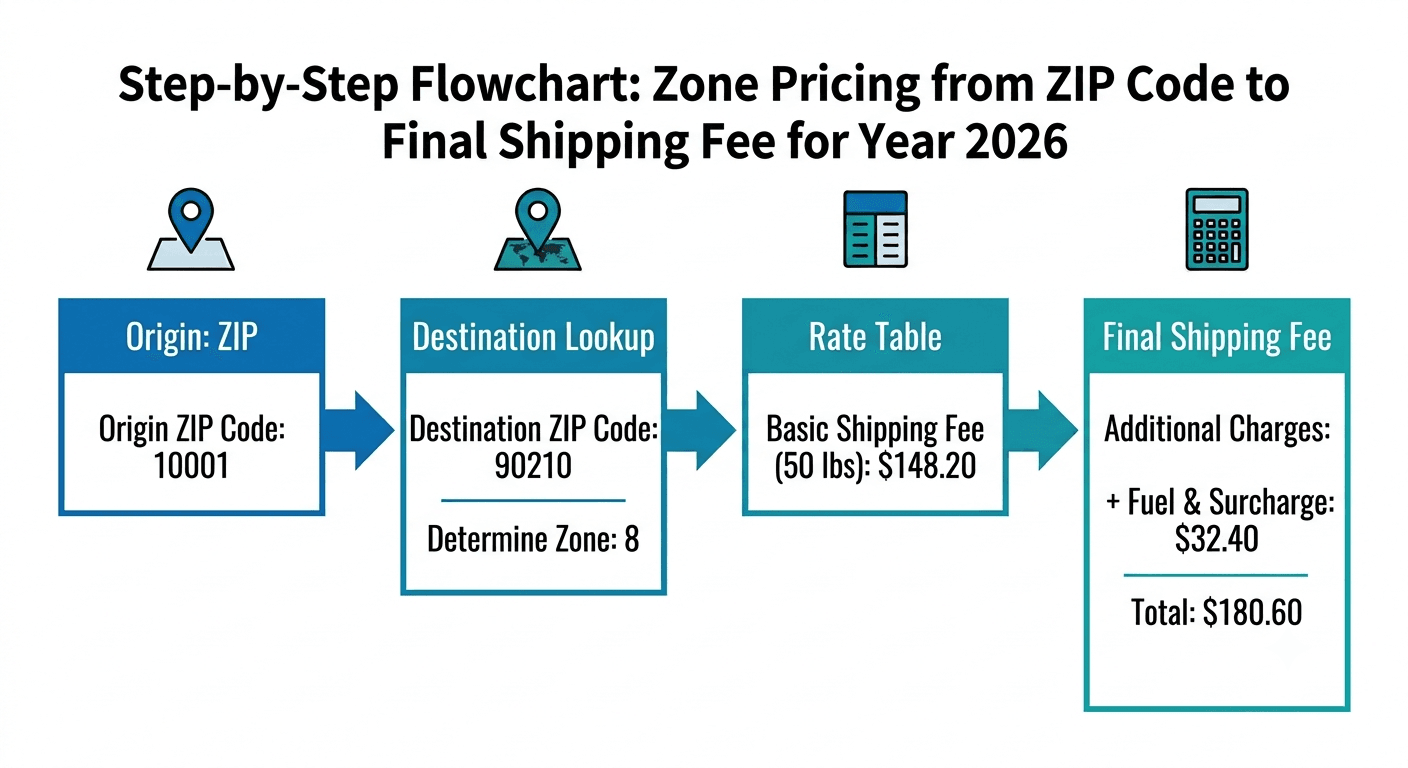
Zone pricing follows a clear four-step calculation process every time you book.
Carrier identifies origin and destination postal codes.
System looks up the corresponding zone number on the carrier’s chart.
Base rate is pulled from the zone-and-weight (or dimensional weight) table.
Accessorials, fuel surcharges, and any negotiated discounts are added.
The final rate therefore reflects both distance band and shipment characteristics. Digital platforms automate this lookup so you see the total before booking.
Key Advantages of Zone Pricing for Shippers
Zone pricing delivers predictability that pure distance or dynamic models often lack.
Easy cost estimation once you know origin and destination zones
Lower rates for short-haul and local deliveries
Transparent comparison across carriers using similar zone charts
Simple budgeting for high-volume, multi-destination shippers
Built-in fairness that charges more only when distance and complexity increase
These benefits make zone pricing especially popular for e-commerce fulfillment and regular B2B replenishment lanes in 2026.
Common Challenges of Zone Pricing and Solutions
Zone boundaries can sometimes produce counter-intuitive rates on short-distance moves.
Zone jumps on nearby but cross-boundary ZIP codes
Different carriers defining zones differently, complicating comparisons
Limited granularity compared with true mileage-based pricing
Potential overpayment if packaging or mode is not optimized
Solutions include consolidating volume, using multi-carrier platforms, and requesting zone-skip options on high-volume lanes.
Zone Pricing vs Other Freight Pricing Models
Understanding alternatives helps you choose the right model for each shipment type.
Pricing Model
Primary Driver
Best For
Predictability
Complexity
Zone Pricing
Geographic zones + weight
Regular multi-destination volume
High
Low
Flat Rate
Fixed price band
Small parcels, known dimensions
Very High
Very Low
Weight-Based
Actual weight only
Dense, heavy freight
Medium
Low
Dimensional Weight
Volume or actual weight
Lightweight bulky items
Medium
Medium
Per-Mile / Spot
Actual distance + market
Full truckload, irregular lanes
Low
High
Zone pricing sits in the sweet spot of predictability and fairness for most domestic and many international parcel and LTL moves.
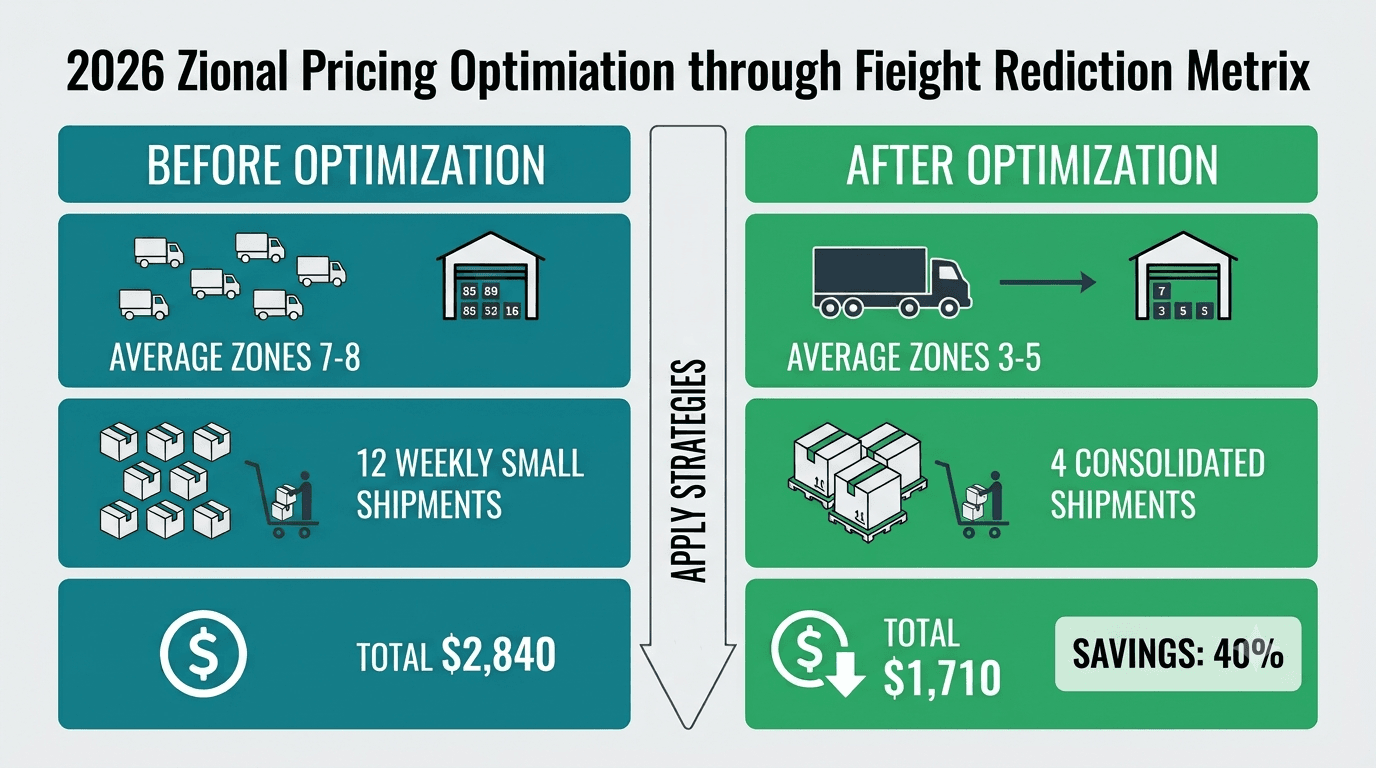
Proven Strategies to Optimize Costs Under Zone Pricing
Smart shippers actively manage zone exposure rather than accepting rates passively.
Consolidate orders to fewer, fuller shipments.
Locate inventory or cross-docks closer to major customer clusters.
Negotiate zone-skipping or direct injection programs with carriers.
Right-size packaging to minimize dimensional weight charges.
Use a multi-carrier platform to compare real-time zone rates across providers.
Applying even two or three of these tactics routinely cuts total landed cost by double digits.
How FreightAmigo Helps You Master Zone Pricing
FreightAmigo turns zone complexity into clear, actionable quotes in seconds.
Our platform aggregates real-time rates from carriers that use zone pricing alongside other models. You see transparent breakdowns that isolate the zone component.
Advanced routing suggestions help reduce unnecessary zone crossings. 24/7 expert support walks you through zone charts and negotiation opportunities.
Whether you ship domestically or internationally, FreightAmigo gives you the data and options to choose the lowest total cost every time.
Future Trends Shaping Zone Pricing in 2026 and Beyond
Zone pricing continues to evolve rather than disappear.
Carriers are adding more granular sub-zones in dense metro areas. Dynamic overlays now adjust base zone rates for capacity and fuel in real time.
Hybrid models increasingly blend classic zones with AI-driven personalization and sustainability scoring. Expect zone charts to remain the foundation while becoming smarter and more flexible through 2026 and into the next decade.
Frequently Asked Questions About Zone Pricing
What is the main difference between zone pricing and distance-based pricing?
Zone pricing groups distances into fixed bands while pure distance pricing charges per mile. Zones simplify quoting and billing for high-volume networks, whereas mileage pricing offers finer precision at the cost of more complex calculations.
How many zones do most carriers use in 2026?
Most major carriers still operate with 7–9 domestic zones plus additional international bands. Exact numbers and boundaries vary by carrier and service level, so always check the specific zone chart.
Can I lower my zone by changing warehouses?
Yes, strategically locating inventory closer to customer clusters is one of the highest-ROI tactics. Even shifting a portion of stock can drop average zone numbers and produce significant annual savings.
Does zone pricing apply to ocean and air freight?
Traditional zone pricing is most common in parcel, express, and LTL trucking. Ocean and air rates more often use weight/volume plus origin-destination pair pricing, though some hybrid services incorporate zone-like elements.
What is zone skipping and is it available in 2026?
Zone skipping moves freight in bulk to a carrier hub closer to final destinations, bypassing higher zones. It remains widely available for shippers with consistent volume and is often arranged through 3PLs or digital platforms.
How do dimensional weight charges interact with zone rates?
Dimensional weight is calculated first; the higher of actual or dim weight is then applied to the zone rate table. Optimizing packaging therefore reduces both the weight used and the final zone-based cost.
Are zone charts the same across all carriers?
No, each carrier maintains its own zone definitions and rate tables. This is why multi-carrier comparison tools are essential for finding the true lowest cost.
Will AI replace zone pricing by 2027?
AI will enhance and personalize zone models rather than fully replace them. The zone framework provides a stable, understandable baseline that AI can adjust dynamically for capacity, demand, and individual shipper profiles.
Conclusion: Take Control of Your Freight Costs Today
Mastering zone pricing in 2026 gives you a lasting competitive edge on shipping spend.
By understanding how zones are set, comparing models, and applying optimization tactics, you convert a complex system into a controllable cost lever.
Zone pricing is a carrier method that sets shipping costs by geographic zones traversed. It divides routes into areas based on distance from origin, with higher zone counts increasing rates.
What does a freight zone mean?
A freight zone is a designated geographic area defined by ZIP codes for rate calculation. Zones represent distance ranges, where higher numbers indicate farther travel and typically higher costs.
How does zone pricing work in practice?
Carriers assign rates to zones and calculate totals from origin and destination ZIP codes. Costs factor in zones crossed plus elements like weight and dimensions.
What are the advantages of zone pricing?
Zone pricing offers simplified estimates, cost predictability, and route fairness. It lets carriers adjust for distance and regional costs while remaining straightforward for shippers.
What are the challenges of zone pricing?
Zone pricing can create inefficiencies and comparison difficulties across carriers. Shipments may enter higher zones despite short distances, and definitions vary between providers.
How does zone pricing compare to other freight pricing models?
Zone pricing balances distance with simplicity unlike flat, weight-only, or per-mile models. It often combines with dimensional weight for nuanced results while remaining more predictable than pure distance calculations.
How can FreightAmigo help with zone pricing?
FreightAmigo provides quote comparison, transparent breakdowns, and route optimization. Its platform supports multiple carriers and expert guidance to minimize zone-related costs.
What strategies optimize costs in a zone pricing system?
Effective strategies include shipment consolidation, strategic distribution centers, and zone skipping negotiations. Technology platforms and packaging optimization further reduce expenses by limiting zones crossed.


























 Global Popular RoutesTop sea & air shipping lanes
 Special OfferLimited-time shipping promotions





 Express
 Document
 Parcel - Air/Sea
 Container
 Relocation