Navigating the Strait of Hormuz: War Risk Marine Insurance and Shifted Premiums in 2026
The Proposed Hormuz Safe Maritime Insurance Scheme and Its Framework
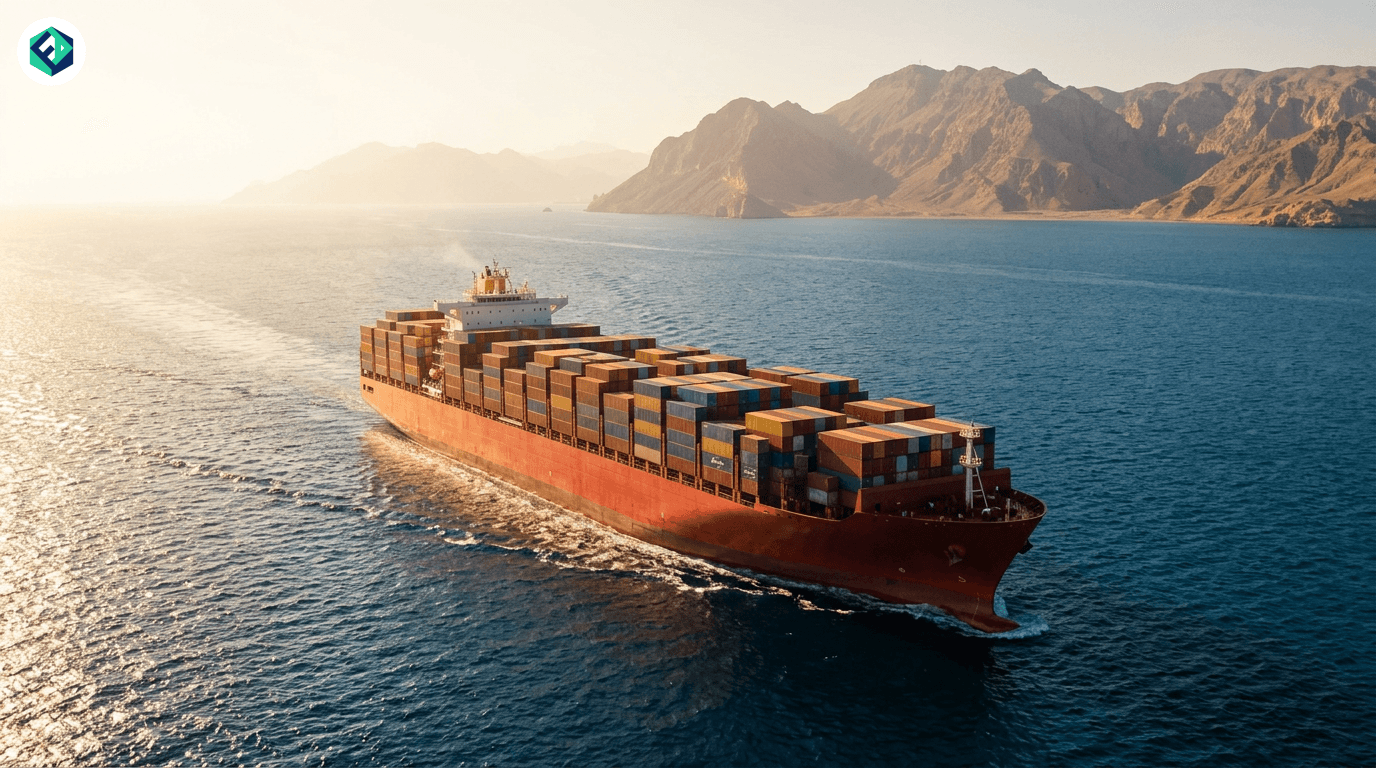
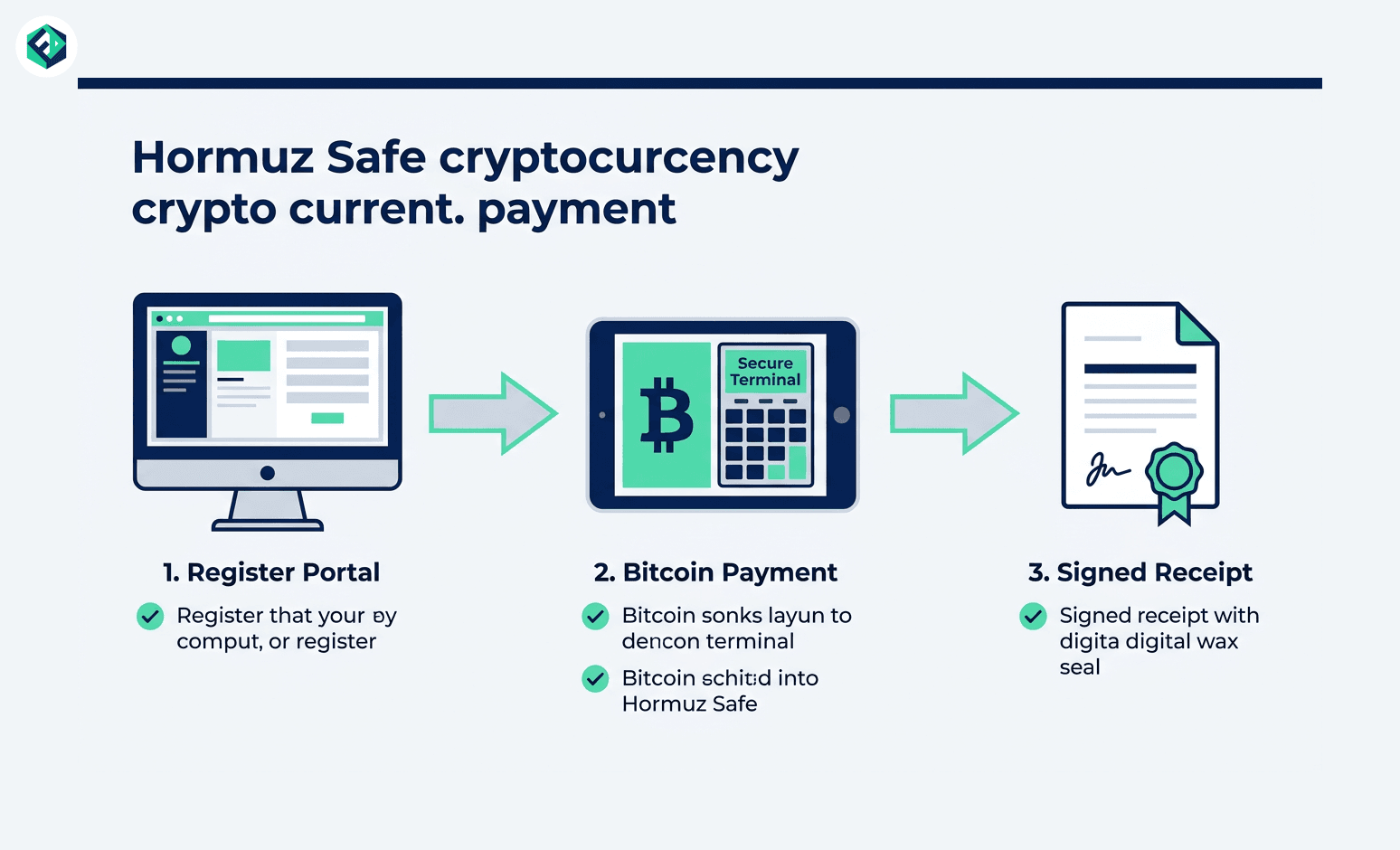
The geopolitical tensions in the Middle East have reached a critical juncture in 2026, forcing maritime operators to confront unprecedented challenges in securing transit through vital trade lanes. At the center of these developments is the Strait of Hormuz, a critical chokepoint through which a significant portion of global trade passes. In response to escalating pressures, Iran's Supreme National Security Council announced the Persian Gulf Strait Authority (PGSA) to oversee regional maritime traffic. A central element of this framework is the proposed Hormuz Safe maritime insurance scheme, designed to offer coverage for commercial vessels navigating these volatile waters. According to reports, this initiative operates through a dedicated Hormuz Safe website. This portal acts as an online platform where shippers can secure iranian maritime cargo insurance specifically tailored for transit through the strait and surrounding Gulf waters. Under this proposed framework, the scheme introduces cryptocurrency marine insurance as a core mechanism for financial settlement. Shipowners and operators would be required to conduct a Bitcoin maritime transaction to pay for their coverage, which is then processed through an encrypted maritime verification capability. Proponents estimate that the programme could generate over ten billion dollars annually for Iran. The coverage is structured to take effect immediately upon confirmation of the cryptocurrency transaction, verified by a digitally signed receipt. The scheme is presented as a commercial risk-management service rather than an explicit toll, aiming to frame it as a legitimate safety measure for commercial fleets, as detailed by Al Jazeera.
Evaluating Iranian Transit Fees Against UNCLOS and International Law
The introduction of unilateral transit requirements has sparked intense debate regarding the legality of the Strait of Hormuz transit toll under established international maritime frameworks. Of primary concern is how these commercial vessel transit fees align with the United Nations Convention on the Law of the Sea (UNCLOS). Under UNCLOS international strait law, straits used for international navigation enjoy the right of transit passage, which cannot be suspended, hampered, or subjected to unilateral shipping tolls. The convention explicitly prohibits coastal states from imposing levies or transit fees on foreign vessels unless those fees are direct payments for specific services rendered to the ship. Iran's protocol, which demands financial payments for safe passage, is viewed by the international community as an illegal imposition of ad hoc transit fees. Shippers and sovereign states argue that framing these unilateral shipping tolls as a necessary safe passage financial protection does not alter their legal status as unauthorized levies under international law. Legal experts point out that the Strait of Hormuz is recognized globally as an international waterway where foreign vessels possess the right of unimpeded transit passage, a concern thoroughly analyzed by Al Jazeera.
Operational Challenges Facing the Iranian Marine Insurance Scheme
Beyond legal disputes, the proposed Iranian transit insurance faces immense practical hurdles that limit its viability for mainstream international shipping. The primary obstacle is the severe iranian reinsurance limitations. The global maritime insurance industry relies on a highly integrated network of international reinsurers, primarily centered in London, Europe, and the United States, to distribute risk. Due to comprehensive international sanctions on iranian insurance entities, these global syndicates are legally prohibited from participating in or backing any sovereign Iranian insurance initiatives. Consequently, the scheme lacks any recognized maritime regulator certification, which is a fundamental requirement for commercial vessels. Without certification, vessels utilizing this coverage would find themselves in breach of their primary hull and machinery policies. The integration of digital currencies also introduces significant cryptocurrency sanctions risks. Shippers attempting to facilitate a Bitcoin money laundering risk-laden transaction would face aggressive enforcement actions from international financial regulators. The United States Treasury and other global authorities actively track and freeze digital wallets linked to sanctioned states, having previously frozen over three hundred million dollars in Iranian-linked cryptocurrency assets, as reported by Al Jazeera. Additionally, the reliance on digital platforms in a conflict zone exposes operators to severe cybersecurity threats in gulf waters, making digital transaction verification highly vulnerable to disruption.
Global War Risk Insurance Premium Increases and Market Impact
The escalating geopolitical friction in the region has sent shockwaves through the global maritime insurance market, resulting in unprecedented war risk premiums for vessels traversing the Gulf. Since the onset of the conflict, the Strait of Hormuz insurance cost has experienced a dramatic fivefold surge, directly raising the financial burden on global shipping fleets. Insurers calculate the gulf war risk premium based on the immediate threat level, and the frequent military strikes and vessel seizures have forced underwriters to re-evaluate the risk profile of the entire region. For logistics managers, navigating these soaring expenses requires a clear understanding of how different insurance frameworks compare. The table below outlines the key differences between the proposed Iranian transit scheme and traditional global marine insurance options.
| Feature | Proposed Iranian Scheme (Hormuz Safe) | Traditional Global Marine Insurance |
|---|
| Payment Method | Cryptocurrency (e.g., Bitcoin) | Standard Fiat Currencies |
| Reinsurance Backing | Unilateral / Local Sovereign | Global Reinsurance Syndicate (e.g., Lloyd's) |
| Regulatory Compliance | Subject to US / International Sanctions | Fully Certified by Global Regulators |
| Coverage Scope | Strait of Hormuz and Gulf Transit only | Global Multi-leg Door-to-Door Coverage |
Navigating these volatile premium spikes and complex regional compliance risks requires a secure, internationally recognized approach to safeguarding your shipments. FreightAmigo addresses this challenge directly by offering seamless integration of cargo protection into your digital booking workflow, bypassing the legal and financial uncertainties of uncertified regional schemes.
Our platform provides robust coverage options that extend beyond standard carrier liability, allowing you to manage all aspects of your transit risk from a single, centralized dashboard. By securing compliant policies backed by reputable global insurers, you can confidently shield your supply chain against sudden geopolitical disruptions. To protect your goods with reliable and fully compliant coverage, explore our options and secure your Cargo Insurance today.
International Response and Opposition to Hormuz Transit Fees
The unilateral imposition of transit fees and the progressive militarisation of the strait have triggered a coordinated international backlash, characterized by both diplomatic opposition and strategic infrastructure adjustments. Major maritime nations have expressed strong opposition to hormuz tolls, asserting that the right to free navigation in gulf waters must be upheld. This diplomatic pushback was formalized in a Bahrain-led UN Security Council draft resolution, co-sponsored by over one hundred nations, demanding an immediate halt to attacks on commercial shipping, as documented by Al Jazeera. Even within major economic blocs, the conflict has caused significant friction; for example, the BRICS alliance experienced deep internal divisions, particularly between Iran and the UAE, leading to a lack of consensus on the crisis, as reported by Al Jazeera. In response, India and the UAE signed strategic defense pacts to protect critical trade corridors and secure maritime safety, as noted by Al Jazeera. Concurrently, the UAE is accelerating physical infrastructure bypasses, with ADNOC doubling the capacity of its West-East Pipeline project to Fujairah to bypass the Strait of Hormuz entirely, as detailed by Al Jazeera. Consequently, the proposed Iranian insurance scheme is expected to find acceptance only among a small group of niche maritime participants and politically aligned shipping firms that are willing to accept the associated legal and operational risks.
Understanding Marine Insurance Cover Cancellation in the Gulf
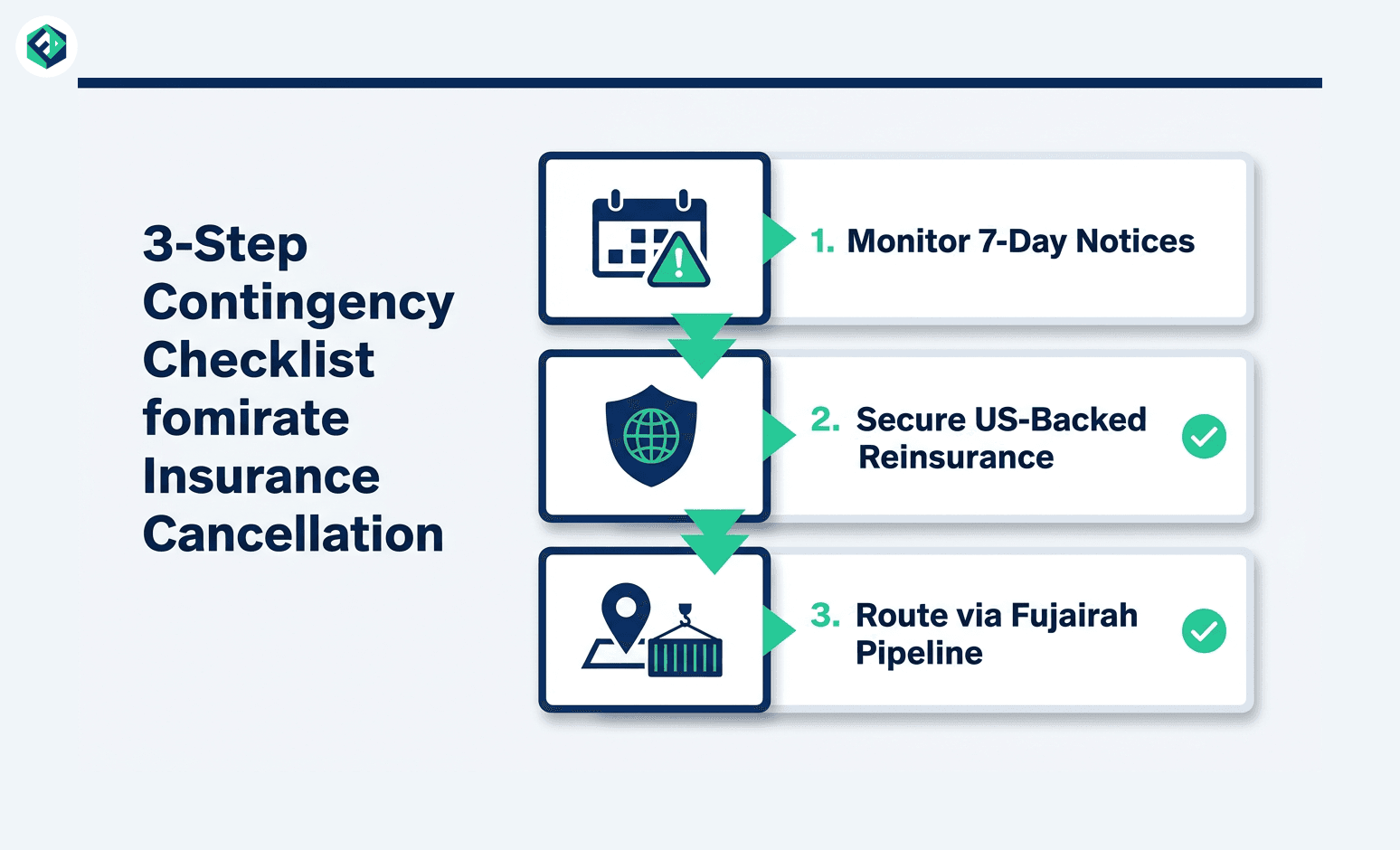
Understanding the mechanics of marine insurance cover cancellation in the Gulf is essential for shippers seeking to maintain continuous protection for their supply chains. Standard maritime cargo insurance policies contain specific provisions allowing underwriters to initiate a war risk coverage cancellation or a complete maritime insurance withdrawal when a transit zone escalates into an active conflict area. Typically, insurers can issue a notice of cancelling gulf war risk cover with a short notice period, often seven days, after which the existing coverage for that specific geographic zone ceases. To adapt to these sudden disruptions, shippers must look toward alternative backing. This often involves seeking coverage backed by a us backed reinsurance programme or other government supported maritime insurance initiatives designed to provide financial stability when commercial markets withdraw. Obtaining a specialized Chubb war risk cover or participating in national underwriting pools can offer the necessary risk mitigation to keep vessels moving. To successfully navigate these volatile conditions, supply chain managers should establish robust contingency plans. This includes monitoring regional notices daily, pre-routing high-value shipments through alternative ports such as Fujairah where pipeline and overland corridors bypass the strait, and maintaining close contact with digital logistics partners like FreightAmigo. By proactively review-managing insurance policies and securing flexible, compliant coverage ahead of transit, businesses can insulate their cargo from sudden cancellations and ensure operational continuity despite ongoing regional instability.
FAQ
How do the proposed Hormuz Safe cryptocurrency payments affect cargo insurance coverage in the region?
They introduce significant regulatory and legal risks for global shippers. Paying with cryptocurrency exposes operators to international sanctions and asset freezes while breaching primary hull policies.
What are the UNCLOS regulations regarding transit tolls and levies in international straits like Hormuz?
UNCLOS prohibits the unilateral imposition of transit tolls or levies on foreign vessels. International straits are protected by transit passage rights, meaning coastal states cannot charge fees unless they are for specific services rendered.
How do global reinsurance market sanctions impact the viability of Iranian marine insurance coverage?
Sanctions prevent global reinsurers from backing the scheme, rendering it unviable for mainstream shipping. Without international reinsurance or recognized regulator certification, commercial vessels using this coverage will breach their primary insurance policies.
What factors are driving the fivefold surge in war risk premiums for Strait of Hormuz transits?
Escalating military threats and vessel seizures are the primary drivers of the spike. Frequent regional conflict has forced global underwriters to re-evaluate transit risks, leading to a dramatic fivefold increase in insurance costs.
How are global powers opposing unilateral shipping tolls in the Strait?
Opposition is driven through diplomatic resolutions, defense pacts, and alternative infrastructure. Over one hundred nations co-sponsored a UN resolution for free navigation, while countries like the UAE are expanding pipeline bypasses to avoid the chokepoint.
Why are global maritime insurers cancelling Middle East war risk cover and how can shippers adapt?
Insurers cancel cover due to active conflict risks, requiring shippers to seek alternative backing. Underwriters often issue seven-day cancellation notices, forcing shippers to utilize government-supported programs, specialized policies, or bypass routes.





















 Global Popular RoutesTop sea & air shipping lanes
 Special OfferLimited-time shipping promotions


 Express
 Document
 Parcel - Air/Sea
 Container
 Relocation