A Comprehensive Guide to Shipping from Lianyungang Port to Malaysia
Latest update on 8 August, 2024 /span>
Shipping goods internationally can be a complex process requiring careful planning and coordination. As China’s Belt and Road Initiative expands, Lianyungang Port has emerged as a key hub for maritime trade. In this guide, FreightAmigo will provide a detailed overview of shipping from Lianyungang Port to Malaysia effectively, covering essential aspects such as logistics, documentation, and key considerations.
Want To Compare The Best Express, Air Freight, Sea Freight, Rail Freight & Trucking Rates So As To Have Better Control On Cost?
Lianyungang Port Overview
Lianyungang Port, located on the eastern coast of China, is a crucial node in the global shipping network. It serves as a gateway for trade between China and Southeast Asia, offering extensive facilities and services.
Infrastructure and Facilities
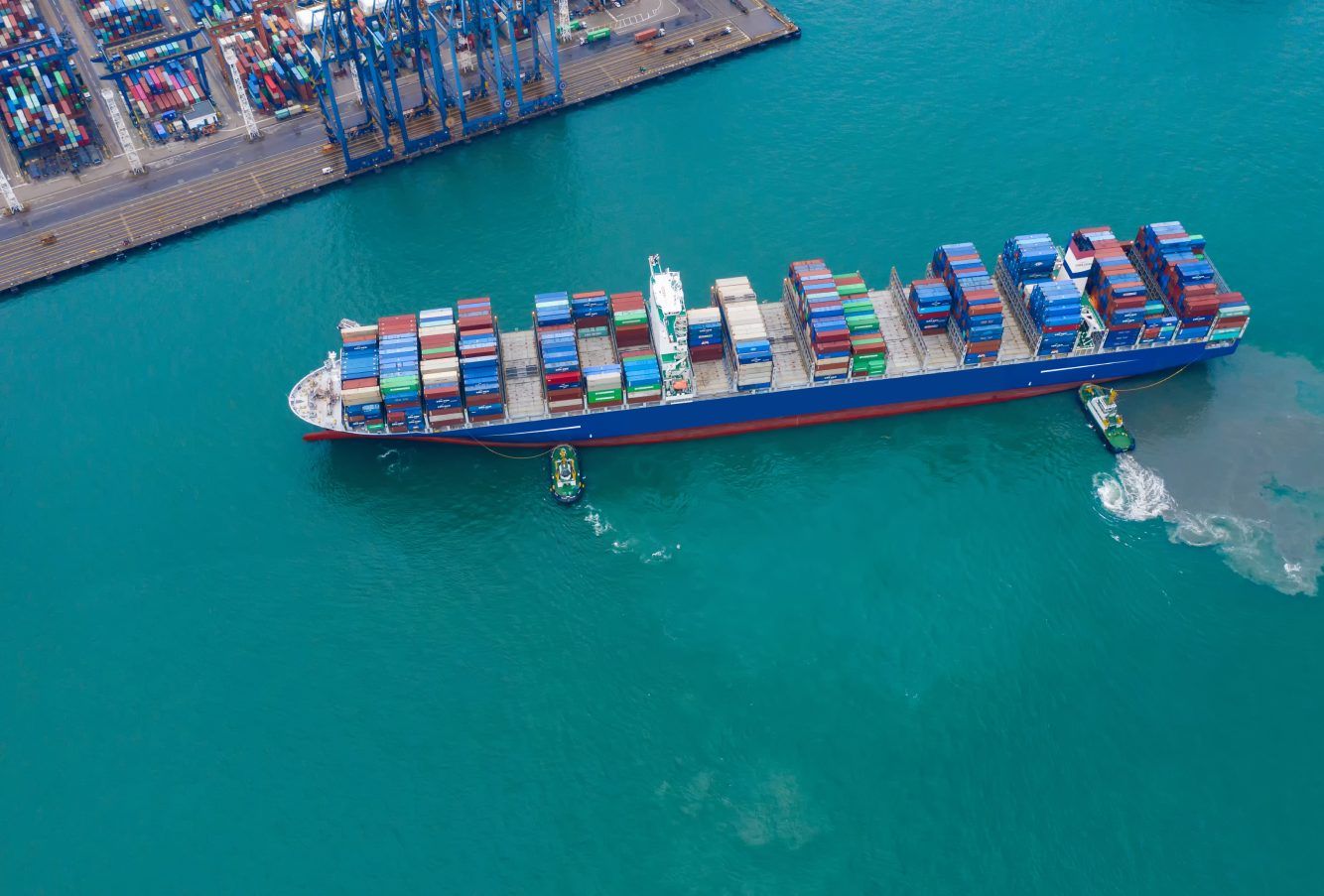
Lianyungang Port boasts state-of-the-art infrastructure, including deep-water berths that accommodate large vessels, modern cargo handling equipment, and expansive storage facilities. The port’s strategic location and connections to rail and road networks make it an ideal starting point for shipments to Malaysia.
Services Offered
The port provides a wide range of services, from customs clearance to freight forwarding. Shipping companies operating at Lianyungang offer comprehensive solutions, including container shipping, bulk cargo transportation, and specialized logistics for hazardous materials.
Logistics and Shipping Routes
Understanding the logistics and routes from Lianyungang to Malaysia is crucial for efficient shipping. Here’s a breakdown of the primary considerations.
Shipping Routes
The most common route from Lianyungang to Malaysia involves traversing the South China Sea. Key Malaysian ports such as Port Klang and Penang serve as primary destinations. These ports are well-connected to Malaysia’s hinterland, facilitating smooth distribution upon arrival.
Transportation Options
- Container Shipping: Ideal for most goods, offering secure and efficient transport.
- Bulk Shipping: Suitable for large quantities of non-containerized goods.
- Roll-On/Roll-Off (RoRo): Used for vehicles and machinery.
Transit Times
Transit times may vary based on the shipping method and specific route. On average, shipments take about 7 to 12 days to reach Malaysia from Lianyungang.
Documentation and Compliance
Proper documentation and compliance with international shipping regulations are critical to avoid delays and penalties.
Essential Documents
- Bill of Lading: A contract between the shipper and carrier detailing the shipment.
- Commercial Invoice: A record of the transaction between buyer and seller.
- Packing List: Details on the shipment’s contents.
- Certificate of Origin: Verifies the origin of the goods.
Customs Regulations
Both China and Malaysia have specific customs regulations. It’s essential to understand import duties, tariffs, and any restrictions on certain goods. Engaging a customs broker can facilitate this process, ensuring compliance and smooth clearance.
Key Considerations and Best Practices
To ensure a successful shipping experience, consider the following best practices.
Choosing the Right Shipping Partner
Select a reliable shipping partner with experience in the China-Malaysia route. Look for companies with a strong track record, comprehensive services, and competitive pricing.
Insurance and Risk Management
Shipping involves inherent risks, including damage or loss of goods. Purchasing adequate insurance coverage can mitigate these risks, providing peace of mind.
Tracking and Communication
Utilize advanced tracking systems to monitor shipments in real time. Maintain open communication with your shipping partner to address any issues promptly.
Environmental Considerations
Consider the environmental impact of shipping. Choose eco-friendly shipping options and partners committed to sustainability.
Conclusion
Shipping from Lianyungang Port to Malaysia involves strategic planning and execution. By understanding the port’s capabilities, selecting appropriate logistics options, ensuring compliance with documentation, and considering key best practices, businesses can optimize their shipping operations. FreightAmigo’s comprehensive guide serves as a roadmap for successful international trade between these two dynamic regions.
If you are looking for logistics experts, please visit FreightAmigo Page
Shipping From Doumen Port to Malaysia | FreightAmigo
Shipping From Nansha Port to Malaysia | FreightAmigo
Shipping From Yangshan Port to Malaysia | FreightAmigo
If you have any inquiries on logistics / supply chain, feel free to contact FreightAmigo now:
Chat with us online | Hotline: +852 28121686 | WhatsApp: +852 27467829
FAQ
What is Lianyungang Port?
Lianyungang Port is a key maritime hub. It is located on China’s eastern coast and serves as a gateway for trade with Southeast Asia.
What infrastructure and facilities does Lianyungang Port offer?
The port features modern deep-water berths and handling equipment. It also includes expansive storage and strong rail and road connections.
What services are offered at Lianyungang Port?
The port provides customs clearance and freight forwarding. Shipping companies offer container, bulk, and hazardous materials logistics.
What are the main shipping routes from Lianyungang to Malaysia?
Routes cross the South China Sea to Port Klang and Penang. These ports connect to Malaysia’s inland distribution networks.
What transportation options are available?
Options include container shipping, bulk shipping, and RoRo. Each suits different cargo types and volumes.
What are typical transit times to Malaysia?
Shipments usually take 7 to 12 days. Times vary by method and exact route.
What essential documents are required?
Required documents include the bill of lading, commercial invoice, packing list, and certificate of origin. These ensure smooth customs processing.
How should businesses choose a shipping partner?
Select partners experienced on the China-Malaysia route. They should offer strong service, reliability, and competitive pricing.





 Express
 Document
 Parcel - Air/Sea
 Container
 Relocation










 Global Popular RoutesTop sea & air shipping lanes
 Special OfferLimited-time shipping promotions