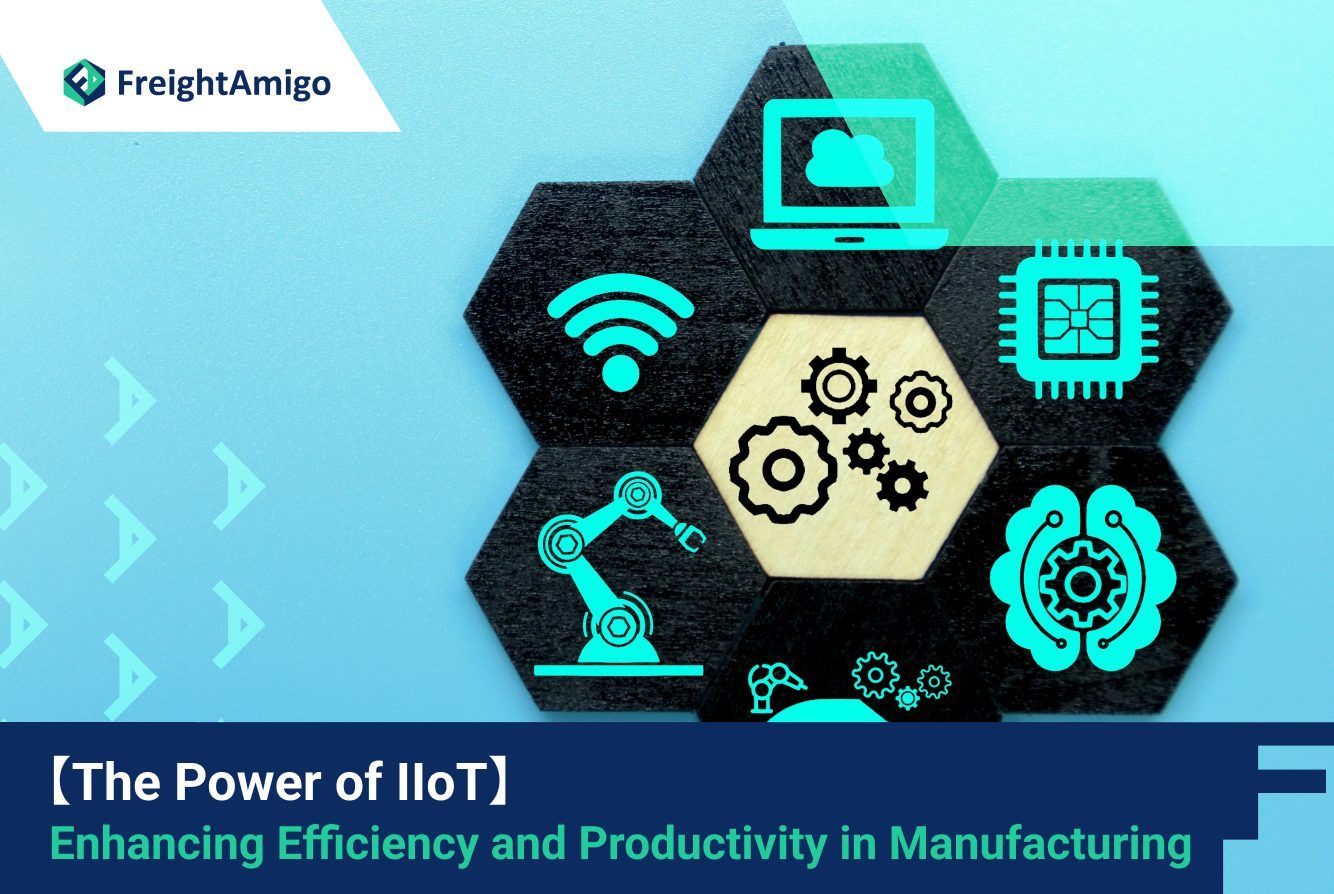
The Power of IIoT: Enhancing Efficiency and Productivity in Manufacturing
Introduction to IIoT (Industrial Internet of Things)
The Industrial Internet of Things (IIoT) has revolutionized the manufacturing industry
Benefits of IIoT in Manufacturing
The integration of IIoT in manufacturing brings numerous benefits to the industry. Firstly, it enables predictive maintenance, where machines and equipment can be monitored in real time, detecting potential issues before they cause breakdowns. This proactive approach minimizes downtime, reduces maintenance costs, and ensures continuous production.
Secondly, IIoT facilitates the optimization of production processes. With the ability to collect and analyze vast amounts of data, manufacturers can identify bottlenecks, improve workflows, and optimize resource allocation. This leads to increased operational efficiency, reduced waste, and enhanced overall productivity.
Furthermore, IIoT enables remote monitoring and control of manufacturing operations. time data from anywhere, manufacturers can monitor production lines, adjust settings, and make informed decisions remotely. This flexibility not only improves operational efficiency but also reduces the need for on-site personnel, resulting in cost savings.
IIoT Applications in the Manufacturing Industry
The applications of IIoT in the manufacturing industry are vast and diverse. One significant application is asset tracking and management.
Another application is quality control and assurance. IIoT allows manufacturers to collect data from sensors and cameras installed on production lines, ensuring that products meet specific quality standards. Any deviation from the desired parameters can be detected in real time, triggering immediate corrective actions. This not only improves product quality but also reduces waste and rework, leading to cost savings.
Additionally, IIoT plays a crucial role in environmental monitoring and sustainability.
How IIoT Enhances Efficiency and Productivity
IIoT enhances efficiency and productivity in manufacturing through various mechanisms. Firstly, it enables real-time data collection and analysis.
Secondly, IIoT enables automation and autonomous decision-making.
Moreover, IIoT facilitates intelligent maintenance management. Instead of relying on fixed maintenance schedules, IIoT allows manufacturers to monitor machine health in real time.
Key Components of an IIoT System
An IIoT system consists of several key components that work together to enable seamless connectivity and data exchange. Firstly, there are the devices and sensors that collect data from machines, equipment, and the environment. These devices can include temperature sensors, pressure sensors, RFID tags, and cameras. The data collected by these devices is then transmitted to a gateway or edge device.
The gateway or edge device acts as a bridge between the devices/sensors and the cloud or central server. It aggregates, filters, and processes the data before sending it to the cloud. This reduces the amount of data that needs to be transmitted and enables real-time analysis at the edge to ensure timely decision-making.
In the cloud or central server, the data is stored, analyzed, and made accessible to users through dashboards or applications. This is where advanced analytics, machine learning algorithms, and AI come into play. These technologies analyze the data to identify patterns, trends, and anomalies, providing valuable insights for process optimization and predictive maintenance.
Challenges and Considerations in Implementing IIoT in Manufacturing
While the benefits of IIoT in manufacturing are significant, there are also challenges and considerations that need to be addressed for successful implementation. Firstly, security and data privacy are of utmost importance. With the interconnected nature of IIoT, manufacturers need to ensure robust security measures to protect against cyber threats and un
Secondly, interoperability and standardization are essential for seamless connectivity and data exchange. The multitude of devices, sensors, and systems used in manufacturing can hinder interoperability if they do not adhere to common standards. Manufacturers need to consider using open standards and protocols to ensure compatibility and easy integration of various components.
Furthermore, scalability and upgradability should be taken into account. As manufacturing processes evolve and technologies advance, IIoT systems need to be scalable and adaptable to accommodate future growth and changes. This includes the ability to add new devices, upgrade software, and integrate with emerging technologies.
Future Trends and Advancements in IIoT for Manufacturing
The future of IIoT in manufacturing holds exciting possibilities. One trend is the integration of machine learning and AI algorithms into IIoT systems. This will enable real-time decision-making, autonomous optimization of production processes, and continuous learning from data. Manufacturers will be able to achieve higher levels of automation, efficiency, and productivity.
Another trend is the emergence of edge computing.
Furthermore, the convergence of IIoT with other emerging technologies, such as blockchain and augmented reality, will unlock new possibilities. Blockchain can enhance transparency, security, and traceability in supply chain management, while augmented reality can enable remote collaboration and training in manufacturing operations.
Conclusion
In conclusion, the power of IIoT in manufacturing is undeniable.











 Express
 Document
 Parcel - Air/Sea
 Container
 Relocation