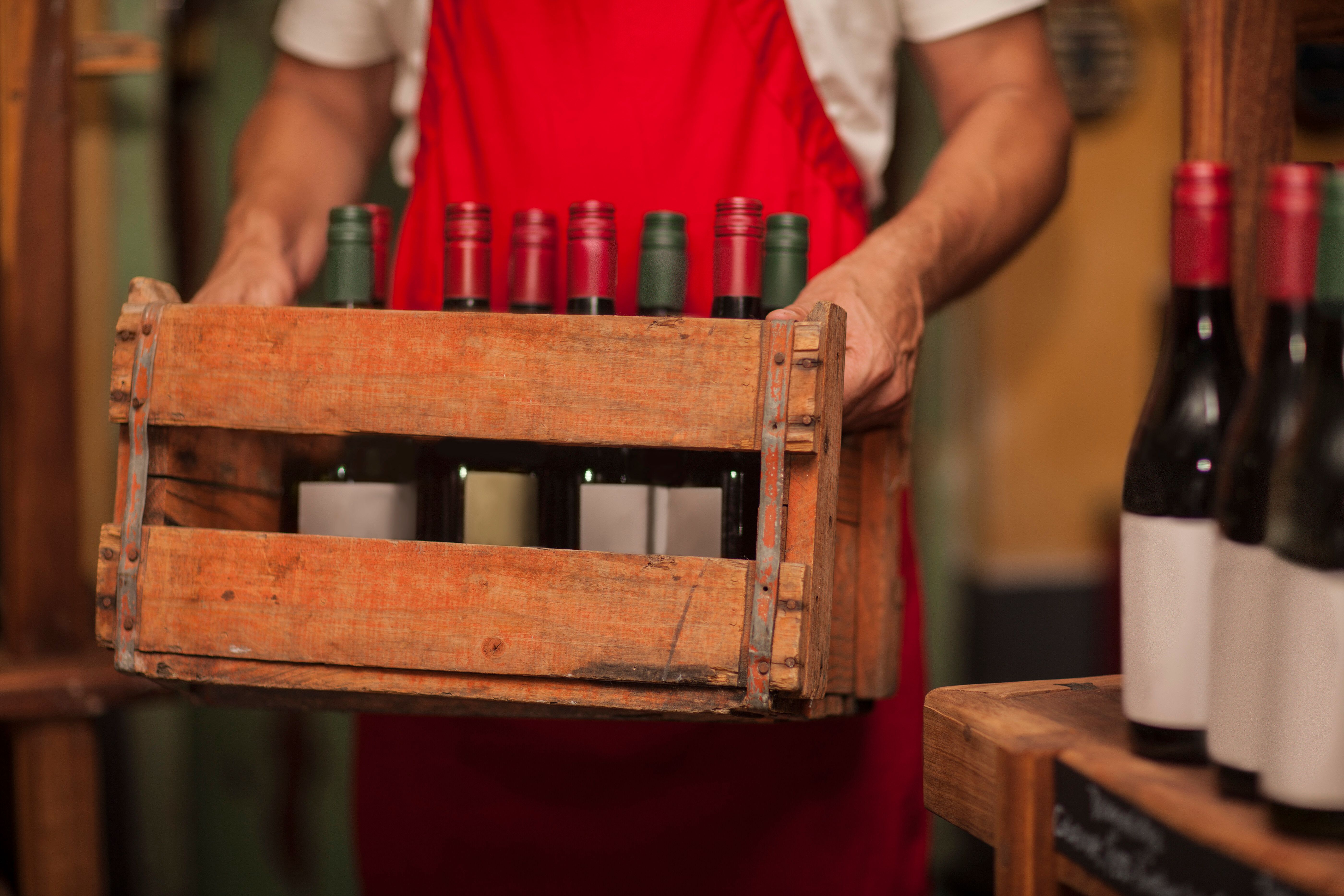
Good Practices Guide for Bulk Wine Transportation
TL;DR: Master 2025 bulk wine transportation best practices with expert tips on temperature control, humidity, HS codes, preparation steps, monitoring, and compliance to ensure flawless logistics and quality preservation.
Updated October 27, 2025
Why Bulk Wine Transportation Best Practices Matter in 2025
Bulk wine transportation demands precision to protect quality amid 2025 regulatory shifts and supply chain pressures.
The global wine market moves millions of liters annually in tankers and flexitanks. Proper practices prevent spoilage and losses.
- Preserves aroma, taste, and value during extended hauls
- Meets 2025 HS code updates for smooth customs clearance
- Reduces spoilage by up to 20% through controlled conditions
- Supports sustainable logistics with optimized routes
- Aligns with WCO guidelines on tariff classifications
Essential Temperature Control Best Practices for Bulk Wine Shipping
Maintain 10-15°C (50-59°F) consistently to avoid oxidation and premature aging in bulk wine transportation.
Temperatures above 18°C speed up chemical reactions. Below 8°C, sediments form.
Refrigerated tankers with IoT sensors ensure real-time 2025 compliance.
- Select reefer containers with dual-zone cooling
- Pre-cool tanks 24 hours before loading
- Monitor via cloud-based dashboards
- Avoid direct sunlight exposure
- Calibrate sensors quarterly
Humidity Management Strategies in Bulk Wine Transport
Target 60-80% relative humidity to prevent mold, evaporation, and cork degradation during transit.
Low humidity dries corks; excess fosters bacteria.
Integrate dehumidifiers and ventilation for optimal bulk wine shipping.
- Install hygrometers in multiple tank locations
- Use silica gel packs for short hauls
- Ventilate during stable weather
- Aim for 70% average in humid regions
- Log data for post-trip analysis
2025 HS Code Updates for Bulk Wine Transportation Logistics
Navigate 2025 HS code changes to avoid delays in bulk wine transportation.
WCO emphasizes precise classifications under HS 2204 for still and sparkling wines.
| Region | 2025 HS Update | Bulk Wine Example (HS 2204) |
|---|
| USA | HTS mandatory Sep 1 | 2204.21 - Sparkling |
| GCC | 12-digit codes Jan 1 | 2204.29 - Still wine |
| EU | Nomenclature refresh | 2204.10 - Fortified |
| China | E-commerce tariffs | 2204.30 - Grape must |
| Australia | Bio-security codes | 2204.29 - Table wine |
Verify via national customs portals for bulk wine logistics compliance.
Step-by-Step Guide: How to Prepare Bulk Wine for Transportation
Follow this proven 2025 how-to for seamless bulk wine transportation preparation.
- Clean tanks with food-grade sanitizers and hot water rinses.
- Calibrate to 12-14°C temperature and 70% humidity.
- Secure with anti-vibration braces and padded racks.
- Label with 2025 HS codes and traceability seals.
- Conduct pre-loading quality tests on samples.
This process minimizes risks in wine logistics.
Real-Time Monitoring Best Practices During Bulk Wine Transit
IoT monitoring resolves 90% of issues before they escalate in bulk wine shipping.
- Deploy GPS-enabled sensors for location and vibration
- Set alerts for temp/humidity deviations
- Limit speeds to 80 km/h maximum
- Schedule driver check-ins hourly
- Prepare contingency routes for delays
Post-Arrival Inspection Checklist for Bulk Wine Shipments
Immediate checks upon arrival safeguard bulk wine transportation quality.
- Inspect for leaks, dents, or off-odors
- Review complete temp/humidity logs
- Test pH, alcohol, and sediment levels
- Photograph all findings
- Transfer to controlled storage promptly
Overcoming Key Challenges in 2025 Bulk Wine Transportation
Address vibration, contamination, and regulations proactively for reliable logistics.
- Vibration: Suspension systems and foam padding
- Contamination: Triple sanitation protocols
- Regulations: Annual HS code training
- Costs: AI route optimization
- Delays: Build 10% buffer time
A 2025 case study from European routes showed 15% loss reduction via these methods.
FAQ
What is ideal temperature for bulk wine transportation?
Maintain 10-15°C to prevent oxidation and preserve quality.
How does humidity impact bulk wine transport?
60-80% RH avoids mold and evaporation issues effectively.
What 2025 HS codes apply to bulk wine?
HS 2204 variants; check regional updates like USA HTS or GCC 12-digit.
How to secure wine tanks in transit?
Use bracing, racks, and shock-absorbing materials.
What documents for bulk wine shipping?
HS codes, temp logs, analysis certificates required.
Minimize vibration in wine transport how?
Controlled speeds and cushioned tanks work best.
Cleaning best practices for wine tanks?
Hot water and approved sanitizers pre-loading.
New 2025 wine transport regulations?
HS code and tariff focuses per WCO standards.
Ensure tariff compliance in wine logistics?
Use latest HS codes and customs portals.
Sustainable tips for bulk wine shipping?
Optimize routes and use low-emission tankers.
Resources
Explore logistics tools like Book a Demo. Contact: HKG +852 24671689 / +852 23194879 | CHN +86 4008751689 | USA +1 337 361 2833 | GBR +44 808 189 0136 | AUS +61 180002752 | Email: enquiry@freightamigo.com.








 Global Popular RoutesTop sea & air shipping lanes
 Special OfferLimited-time shipping promotions





 Express
 Document
 Parcel - Air/Sea
 Container
 Relocation