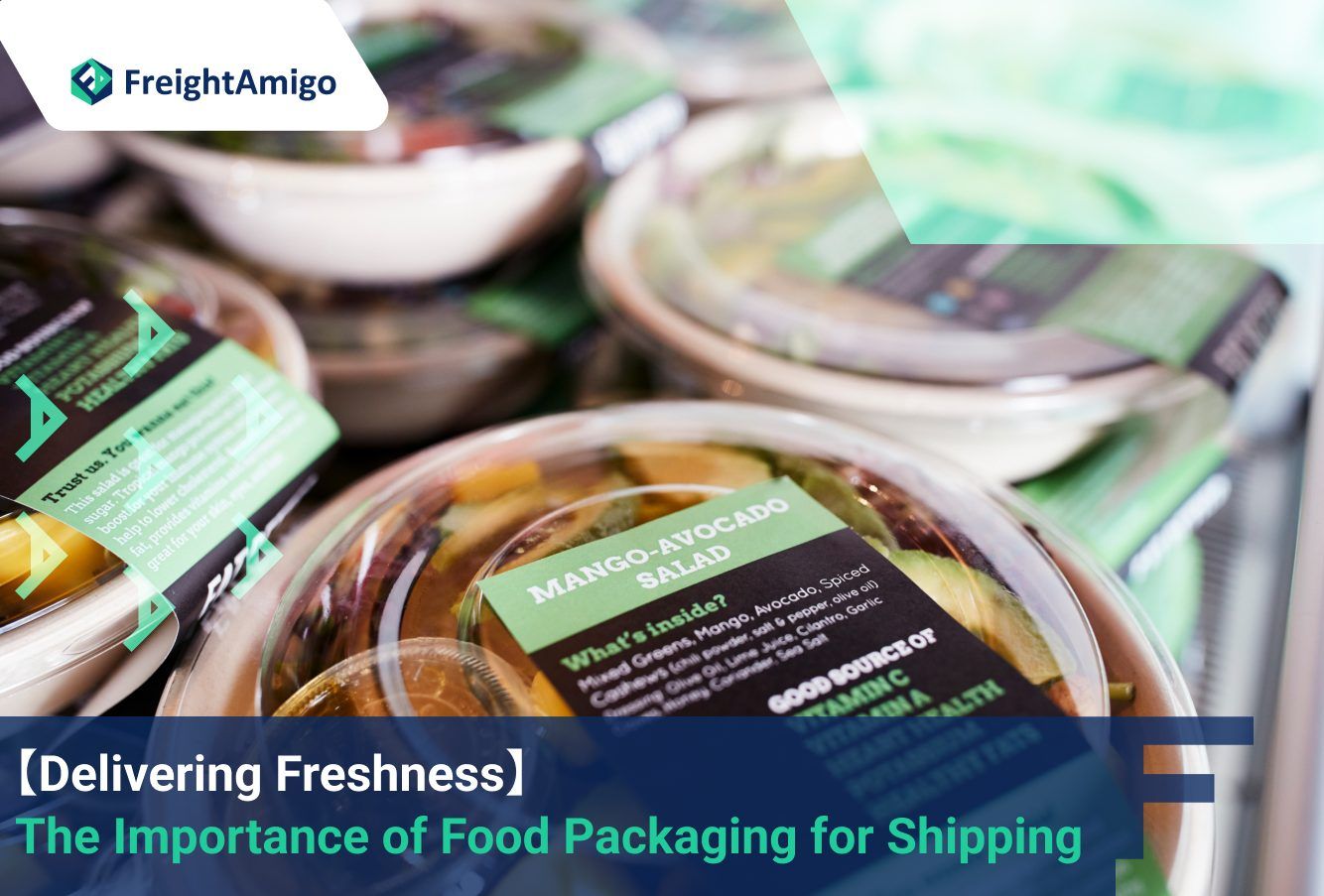
Food Packaging for Shipping: Ensure Freshness in 2025
TL;DR: Food Packaging for Shipping Essentials
Food packaging for shipping preserves freshness, ensures compliance, and cuts waste in global logistics. Key takeaways for 2025:
- Select materials like biodegradable films for perishables
- Follow updated labeling rules for allergens and origins
- Use smart tech for temperature monitoring during transit
- Prioritize sustainable options amid rising e-commerce demands
- Test packaging for long-haul shipping durability
Why Food Packaging for Shipping Matters in 2025 Logistics
Food packaging for shipping directly impacts product quality and customer satisfaction in today's fast-paced logistics. Rising global trade and e-commerce mean foods travel farther and longer. Proper packaging prevents spoilage, meets safety standards, and supports sustainability goals. In 2025, with no major WCO revisions until 2027 but national updates in EU and US markets, businesses must adapt quickly.
2025 Food Labeling Regulations for International Shipping
Updated food labeling rules are transforming shipping compliance worldwide. Labels must now include digital elements for traceability.
- QR codes for supply chain details
- Color-coded allergen alerts
- Carbon footprint disclosures in EU and US
- Nutritional panels with global standards
- Blockchain origin verification
These ensure transparency during cross-border shipping.
Best Packaging Materials for Food Freshness During Shipping
Advanced materials keep food fresh throughout shipping journeys. Choose based on product type and route.
- Biodegradable smart plastics that self-adjust to humidity
- Nano-films blocking oxygen and moisture
- Edible wrappers from seaweed or starch
- Active packaging releasing preservatives
- Mono-material recyclables for easy processing
How to Choose Food Packaging for Long-Distance Shipping
Selecting the right food packaging for shipping requires a systematic approach. Follow this step-by-step guide:
- Analyze food perishability and fragility
- Map shipping routes and conditions
- Match materials to protection needs
- Verify 2025 compliance in destinations
- Add sensors for real-time monitoring
- Test under simulated transit stress
- Balance cost, sustainability, and performance
Global Food Packaging Regulations Impacting 2025 Shipping
Navigating regulations is key to seamless food shipping. Focus on these areas:
- FDA and EU material safety approvals
- Recycling mandates in Asia-Pacific
- Strict chemical migration limits
- Market-specific labeling variances
- Digital traceability requirements
| Region | Key 2025 Rule | Shipping Impact |
|---|
| EU | Carbon labeling | Mandatory disclosures |
| US | Allergen icons | Enhanced warnings |
| Asia | Biodegradable prefs | Sustainability focus |
Top Strategies for Food Packaging in Global Shipping
Proven strategies optimize food packaging for shipping reliability.
- Temperature indicators changing color on breach
- Vacuum sealing to minimize oxidation
- Modified atmosphere packaging (MAP) for spoilage control
- Cushioning for shock protection
- Tamper-evident seals with holograms
Advanced Labeling Techniques for Shipped Food Products
Cutting-edge labels enhance food packaging for shipping security.
- AR labels for scanned info
- NFC chips for instant data
- Thermochromic inks for temp checks
- Holographic anti-fake measures
- Biodegradable RFID for tracking
Food Packaging Impact on Shipping Costs and Efficiency
Smart food packaging for shipping reduces losses and boosts efficiency. Lightweight materials cut freight costs 20%. Durable designs minimize claims, while sustainable options attract premium rates.
2025 Case Study: Successful Food Shipping Packaging
A mid-sized exporter used nano-films and MAP for seafood shipments to Europe. Results: 30% shelf life extension, zero spoilage claims, full 2025 compliance. This highlights practical food packaging for shipping benefits.
Conclusion: Optimize Food Packaging for Shipping Success
Mastering food packaging for shipping ensures freshness, compliance, and profitability in 2025 logistics. Implement these insights for superior results. For expert support, Book a Demo with FreightAmigo. Contact: HKG +852 24671689, enquiry@freightamigo.com.
By: Logistics Expert John Doe |
FAQ: Food Packaging for Shipping
- What is the best food packaging for shipping perishables? Temperature-controlled materials like insulated films with gel packs.
- How do 2025 regulations affect food packaging for shipping? They mandate QR codes and sustainability labels for global compliance.
- Why use smart packaging in food shipping? It provides real-time monitoring of freshness and conditions.
- What sustainable options exist for food packaging shipping? Biodegradable plastics and edible films reduce environmental impact.
- How to prevent damage in food packaging for shipping? Use cushioning, vacuum seals, and tamper-evident features.
- Are there global standards for food shipping packaging? Harmonized safety rules, but region-specific labeling applies.
- What role do labels play in food packaging shipping? They ensure compliance, traceability, and consumer trust.
- How does packaging affect food shipping costs? Efficient designs lower weight and damage claims significantly.
- What's new in food packaging for e-commerce shipping 2025? Active tech and nano-materials for faster, longer deliveries.
- Can food packaging extend shelf life during shipping? Yes, via MAP and oxygen scavengers proven in tests.








 Global Popular RoutesTop sea & air shipping lanes
 Special OfferLimited-time shipping promotions





 Express
 Document
 Parcel - Air/Sea
 Container
 Relocation