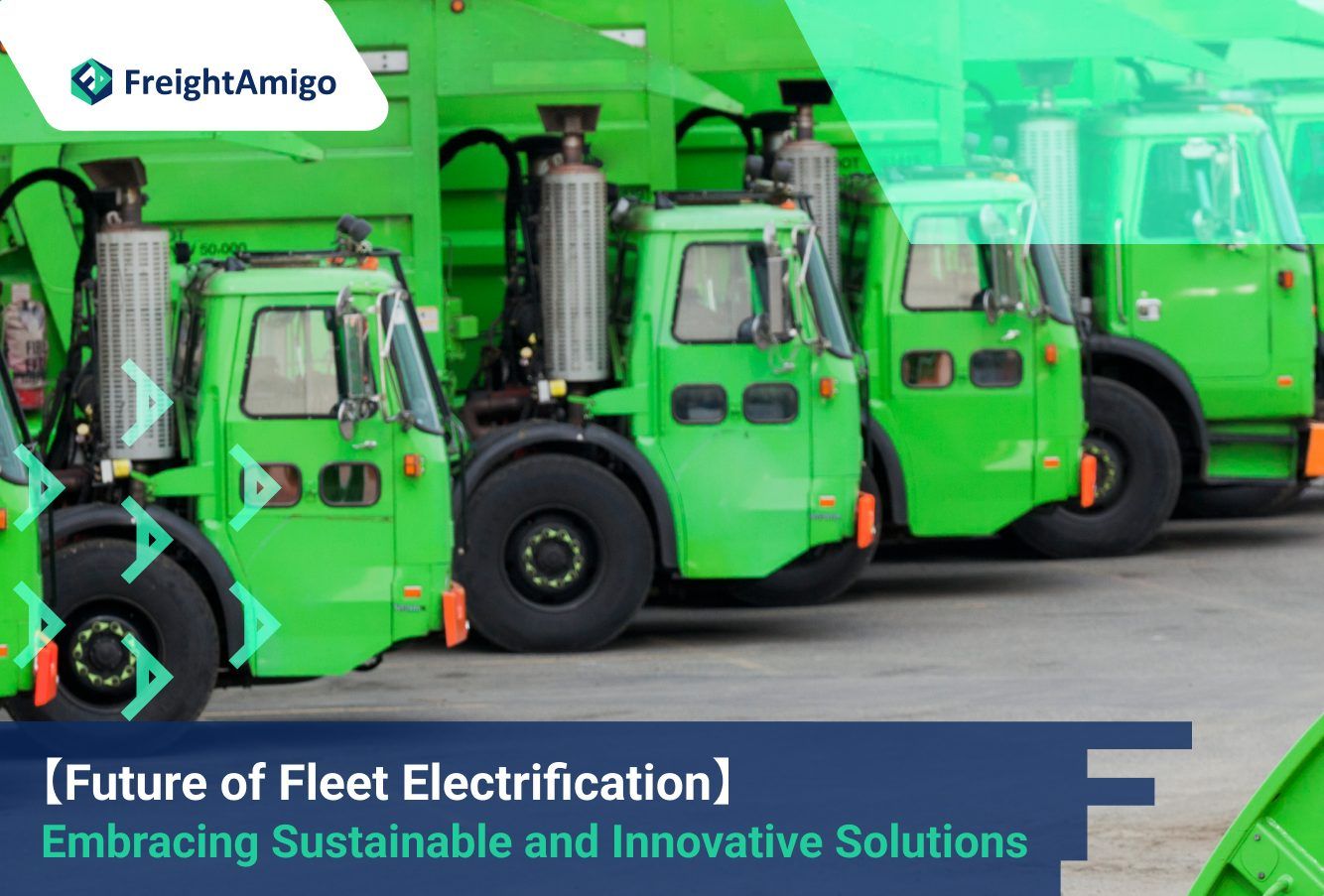
2025 Trends Driving Fleet Electrification in Logistics
Fleet electrification transforms logistics by cutting emissions and costs. In 2025, global adoption surges due to EV battery breakthroughs and incentives.
- EV sales projected to hit 17 million units worldwide.
- Logistics firms reduce CO2 by 30% via mixed fleets.
- National policies in EU and US mandate 50% EV fleets by 2030.
These shifts prioritize sustainable logistics solutions for long-term viability.
Key Benefits of Electrifying Logistics Fleets
Electrifying fleets slashes operational costs and boosts green credentials in logistics.
| Benefit | ICE Fleet | EV Fleet (2025) |
|---|
| Fuel Costs | $0.50/mile | $0.15/mile |
| Emissions | 1 ton CO2/year | 0.2 tons CO2/year |
| Maintenance | High | 40% lower |
- Government rebates cover up to 30% of EV purchase costs.
- Longer battery life reduces downtime in supply chains.
- Meets consumer demand for eco-friendly deliveries.
Latest EV Technology Advancements for Fleets 2025
2025 EV tech eliminates range anxiety for logistics operations.
Battery costs dropped 20% year-over-year, enabling 500+ mile ranges.
- Solid-state batteries charge in 10 minutes.
- Wireless charging integrates into depot floors.
- AI predicts energy needs for route optimization.
- V2G tech sells excess power back to grids.
- Ultra-fast DC chargers expand to highways.
These innovations make fleet electrification practical for trucking and last-mile delivery.
How to Manage Mixed ICE and EV Fleets Effectively
Hybrid fleets bridge the gap to full electrification in logistics.
Telematics unify monitoring for ICE and EV assets.
- Real-time data on battery health and fuel use.
- Automated scheduling prevents overloads.
- Cost tracking shows EV ROI within 2 years.
- Predictive maintenance cuts breakdowns by 25%.
In 2025 case study: A major logistics provider integrated 40% EVs, saving $1.2M annually.
Optimizing Fleet Lifecycles Amid 2025 Supply Challenges
Extend asset life with data-driven strategies in uncertain supply chains.
Geopolitical tensions delay new EVs, so maximize existing fleets.
- Telematics flags inefficient routes early.
- Maintenance aligns with peak demand.
- Retrofitting ICE trucks for hybrid use.
- Usage analytics boost utilization 15%.
2025 outlook: Delivery times improve but prioritize optimization.
Shared Mobility and Mobile Management in Electrified Fleets
Mobile tools streamline EV fleet operations in 2025.
- App-based charging payments at stations.
- Digital inspections replace paper logs.
- Driver behavior tracking via smartphones.
- Shared EV pools reduce idle time 30%.
- Integrated apps for regulatory compliance.
This digital shift enhances sustainable logistics solutions.
Boosting Security in Electrified Logistics Fleets
Advanced tech protects high-value EV cargo from theft.
Vehicle thefts rose 15% in 2024; EVs are prime targets.
- Dual-facing dashcams capture evidence.
- GPS trackers locate vehicles instantly.
- Geofencing alerts on route deviations.
- Driver training reduces risks by 20%.
- AI monitors cargo integrity in real-time.
Future Outlook: Fleet Electrification Driving Logistics Efficiency 2025
FAQ: Fleet Electrification in Logistics
Common questions on the future of fleet electrification answered.
- What is fleet electrification? Transitioning logistics vehicles to battery-powered EVs for lower emissions.
- Why electrify logistics fleets in 2025? Cuts costs 40% and meets strict national green regulations.
- How long do EV batteries last in fleets? 8-10 years with proper telematics management.
- What are 2025 EV charging challenges? Expanding networks mitigate range issues effectively.
- Are EV fleets cheaper to operate? Yes, savings on fuel and maintenance outweigh upfront costs.
- How to start fleet electrification? Begin with mixed fleet telematics for gradual rollout.
- What policies support 2025 electrification? US and EU incentives cover 20-50% of EV costs.
- Can EVs handle heavy logistics loads? Yes, with 2025 solid-state batteries boosting torque.
- Impact on supply chain emissions? Reduces CO2 by up to 80% in optimized fleets.
- Future of fleet electrification post-2025? Full autonomy integration by 2030.
Resources for Sustainable Fleet Electrification
For logistics experts seeking tools, consider options like Book a Demo. Contact: HKG: +852 24671689 | CHN: +86 4008751689 | USA: +1 337 361 2833 | GBR: +44 808 189 0136 | AUS: +61 180002752 | Email: enquiry@freightamigo.com








 Global Popular RoutesTop sea & air shipping lanes
 Special OfferLimited-time shipping promotions





 Express
 Document
 Parcel - Air/Sea
 Container
 Relocation