Temperature-Controlled Logistics: Key Principles for Food Safety and Efficiency
TL;DR: Discover essential principles of temperature-controlled logistics for food safety, including storage, transport best practices, 2025 regulations, and tech innovations to minimize waste and ensure efficiency.
/em>
Why Temperature-Controlled Logistics Matters in 2025
Temperature-controlled logistics ensures perishable foods remain safe and fresh from farm to table. In 2025, with rising global food demands and stricter regulations, mastering these principles is crucial for supply chain efficiency.
Food spoilage costs billions annually; proper temperature management cuts waste by up to 30%.
- Prevents bacterial growth in meats and dairy
- Maintains nutritional value in produce
- Complies with 2025 national food safety updates
- Boosts efficiency in cold chain logistics
- Reduces recalls and liability risks
Core Principles of Effective Food Storage
**Precise temperature and humidity control form the foundation of food storage safety.**
Different foods require specific ranges: frozen goods at -18°C, chilled at 0-4°C, and produce at 10-13°C.
| Food Type | Ideal Temperature (°C) | Humidity (%) |
|---|
| Meat & Poultry | 0-4 | 85-90 |
| Dairy | 2-4 | 90 |
| Fruits & Vegetables | 10-13 | 85-95 |
| Frozen Foods | -18 or below | Low |
2025 updates emphasize automated sensors for real-time adjustments, per WCO guidelines.
Preventing Cross-Contamination in Storage
Segregating products is vital to avoid cross-contamination in temperature-controlled logistics.
Use color-coded zones and dedicated shelving to separate raw meats from ready-to-eat items.
- Label shelves clearly for allergen zones
- Implement FIFO (First In, First Out) rotation
- Conduct daily sanitation audits
- Use antimicrobial surfaces
- Train staff on hygiene protocols
This reduces microbial risks equivalent standards.
Planning Temperature-Controlled Transportation Logistics
Strategic route planning optimizes food transportation efficiency.
Factor in traffic, weather, and loading times to minimize exposure outside ideal conditions.
- Map optimal routes with GPS software
- Schedule during off-peak hours
- Pre-cool vehicles before loading
- Batch similar temperature loads
- Build buffer time for delays
In 2025, AI-driven planning cuts transit times by 20%.
Maintaining Hygiene in Transport Vehicles
Clean, sanitized vehicles are non-negotiable for food safety.
Follow ATP standards for certification; clean interiors with food-grade disinfectants post each trip.
- Install pest barriers
- Use separate compartments for allergens
- Verify seals on reefer units
- Document cleaning logs
- Inspect before every load
Real-Time Monitoring in Cold Chain Logistics
IoT sensors provide continuous oversight of temperature-controlled logistics.
Track location, temp, humidity, and shocks via cloud dashboards; set alerts for deviations.
Benefits include:
- Immediate issue resolution
- Proof of compliance for audits
- Reduced spoilage claims
- Enhanced transparency for buyers
2025 case study: A seafood exporter avoided $500K losses using predictive alerts.
2025 Regulations Impacting Food Safety Logistics
New 2025 rules demand advanced temperature-controlled logistics compliance.
Major national changes include EU's stricter HACCP and US FSMA enhancements—no WCO overhaul until 2027.
| Region | Key 2025 Change |
|---|
| USA | Real-time traceability mandates |
| EU | Enhanced cold chain audits |
| Asia | Digital temp logging required |
Technologies Revolutionizing Temperature-Controlled Logistics
Blockchain and AI elevate cold chain efficiency in 2025.
Blockchain ensures immutable temp records; AI predicts failures before they occur.
- IoT sensors with 5G connectivity
- AI anomaly detection
- Blockchain for end-to-end visibility
- Automated compliance reporting
- Predictive maintenance
FAQ: Temperature-Controlled Logistics for Food Safety
Quick answers to common questions on temperature-controlled logistics.
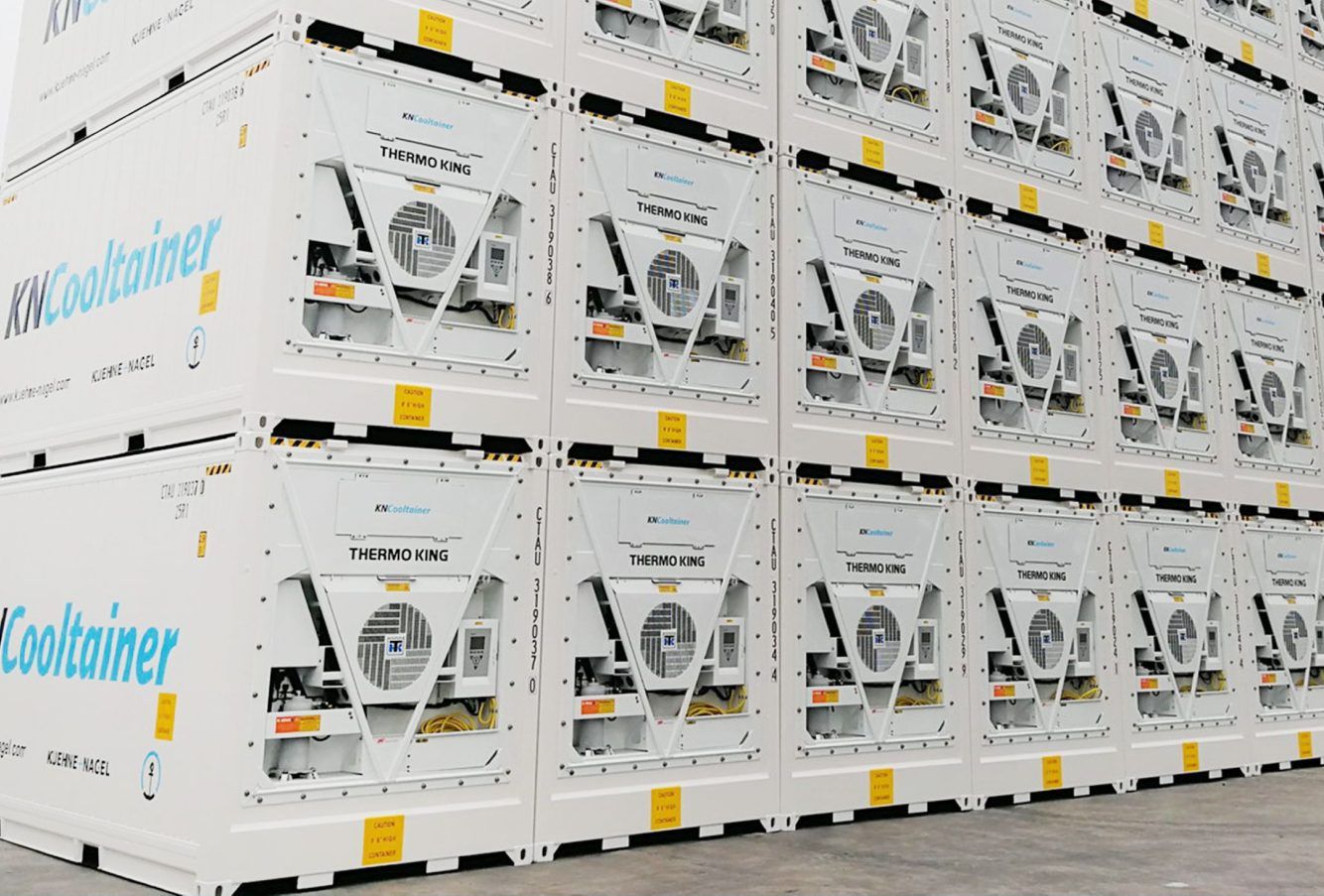
What is temperature-controlled logistics? It's the use of reefer containers and monitoring to maintain specific temps during food transport and storage.
Why is temperature control critical for food safety? It inhibits pathogen growth, preserving quality and preventing illnesses like salmonella.
What temperature ranges are standard for perishables? Chilled: 0-4°C; frozen: -18°C; produce: 10-13°C, varying by type.
How do you prevent cross-contamination? Through zoned storage, proper labeling, and rigorous cleaning protocols.
What role does real-time monitoring play? It enables instant alerts and corrections, ensuring compliance and reducing waste.
What are 2025 cold chain regulation changes? Stricter traceability and digital logging across US, EU, and Asia.
How does AI improve logistics efficiency? By optimizing routes and predicting equipment failures proactively.
What is a cold chain breach? Any temp excursion outside safe limits, risking spoilage.
Benefits of temperature-controlled logistics? Lower waste, compliance, and higher consumer trust.
How to choose monitoring tech? Prioritize IoT integration, alert speed, and regulatory certifications.
Conclusion: Mastering Temperature-Controlled Logistics
Implementing these principles ensures food safety, efficiency, and compliance in 2025. For advanced tracking solutions, Book a Demo with FreightAmigo.
Contact: enquiry@freightamigo.com | HK: +852 24671689 | CHN: +86 4008751689 | USA: +1 337 361 2833








 Global Popular RoutesTop sea & air shipping lanes
 Special OfferLimited-time shipping promotions





 Express
 Document
 Parcel - Air/Sea
 Container
 Relocation