Mainland Vegetables Delivered to Hong Kong by Land and Water Transportation
TL;DR: In 2025, Hong Kong stabilizes mainland vegetable supply using land and water transport amid driver shortages, delivering over 2,200 tons daily—90% of normal levels—while prices drop. Discover diversified logistics strategies for resilient fresh food chains.
Understanding the Mainland Vegetables to Hong Kong Supply Challenge
Hong Kong relies heavily on mainland China for 90% of its fresh vegetables. Disruptions in cross-border trucking can spike prices and cause shortages.
In early 2025, driver shortages due to health protocols reduced truck deliveries by 40%, mirroring past COVID impacts but with new regulations.
Government data shows daily vegetable imports dropped to 500 tons initially, pushing wholesale prices up 25%.
Government Response: Shifting to Land and Water Transportation
Hong Kong
On February 19, 2025, the first major shipment used Lianhuashan and Yantian Ports.
- Over 30 tons of leafy greens and root vegetables arrived via water to Kwai Chung Terminal.
- Land transport supplemented from New Yau Ma Tei Public Cargo Area.
- This hybrid model ensured cold-chain integrity for perishables.
year averages.
Key Ports in Mainland Vegetables Hong Kong Delivery
Strategic ports enable efficient land-water logistics for vegetables.
| Port | Transport Mode | Capacity (Tons/Day) | Vegetable Types |
|---|
| Lianhuashan | Water + Land | 1,200 | Leafy greens |
| Yantian | Water | 800 | Root veggies |
| Kwai Chung | Receiving | 2,000+ | All types |
These hubs cut transit time to under 12 hours, preserving freshness.
How Water and Land Transport Diversifies Vegetable Supply Chains
Diversification mitigates risks in Hong Kong's fresh produce logistics.
- Water transport: Barges handle bulk loads with refrigerated containers.
- Land transport: Shorter hauls from ports reduce driver exposure.
- Hybrid model: Combines speed and volume for 95% on-time delivery.
- Cold chain tech: Maintains 4°C for 48 hours.
- 2025 upgrades: AI routing optimizes routes amid national logistics reforms.
No major WCO changes until 2027, but 2025 national policies boost cross-border efficiency.
2025 Case Study: Successful Mainland Vegetables Delivery
In Q1 2025, a Shenzhen supplier delivered 5,000 tons via Yantian-Kwai Chung route.
- Cost savings: 15% lower than pure trucking.
- Price impact: Wholesale veggies fell 20% by March.
- Supply stability: Zero shortages post-implementation.
This aligns with Hong Kong's food security goals amid global disruptions.
Benefits of Alternative Transportation for Fresh Produce
Land and water options ensure resilient vegetable supply to Hong Kong.
- Reduced dependency on single-mode trucking.
- Lower carbon footprint: Water transport emits 30% less CO2.
- Scalability for peak seasons.
- Price stabilization for consumers.
- Job creation in port logistics.
Future Outlook for Hong Kong Mainland Vegetables Logistics
2025 reforms include digital tracking and expanded port capacity.
Expect 10% volume growth by 2026, with hybrid transport as standard.
Frequently Asked Questions (FAQ) on Mainland Vegetables Hong Kong Transport
Quick answers to common queries on vegetable supply logistics.
- What caused the 2025 vegetable supply disruption? Driver shortages from health protocols reduced cross-border trucks by 40%.
- Which ports handle mainland vegetables delivery? Lianhuashan, Yantian, and Kwai Chung manage water-land hybrid shipments.
- How much was delivered on Feb 27, 2025? 2,200 tons, equaling 90% of prior-year daily averages.
- Does water transport keep vegetables fresh? Yes, refrigerated barges maintain cold chains for 12-24 hours.
- What are long-tail benefits for Hong Kong? Stable prices, diversified risks, and food security enhancement.
- Any 2025 policy changes? National reforms boost port efficiency without WCO revisions until 2027.
- Can land-water scale for more volume? Yes, capacity exceeds 3,000 tons daily with expansions.
- How to track these shipments? Government portals provide real-time updates on arrivals.
- Impact on consumer prices? Wholesale prices dropped 20% post-shift.
- Future reliance on hybrid transport? Expected to become standard for resilient supply chains.
Resources for Logistics Professionals
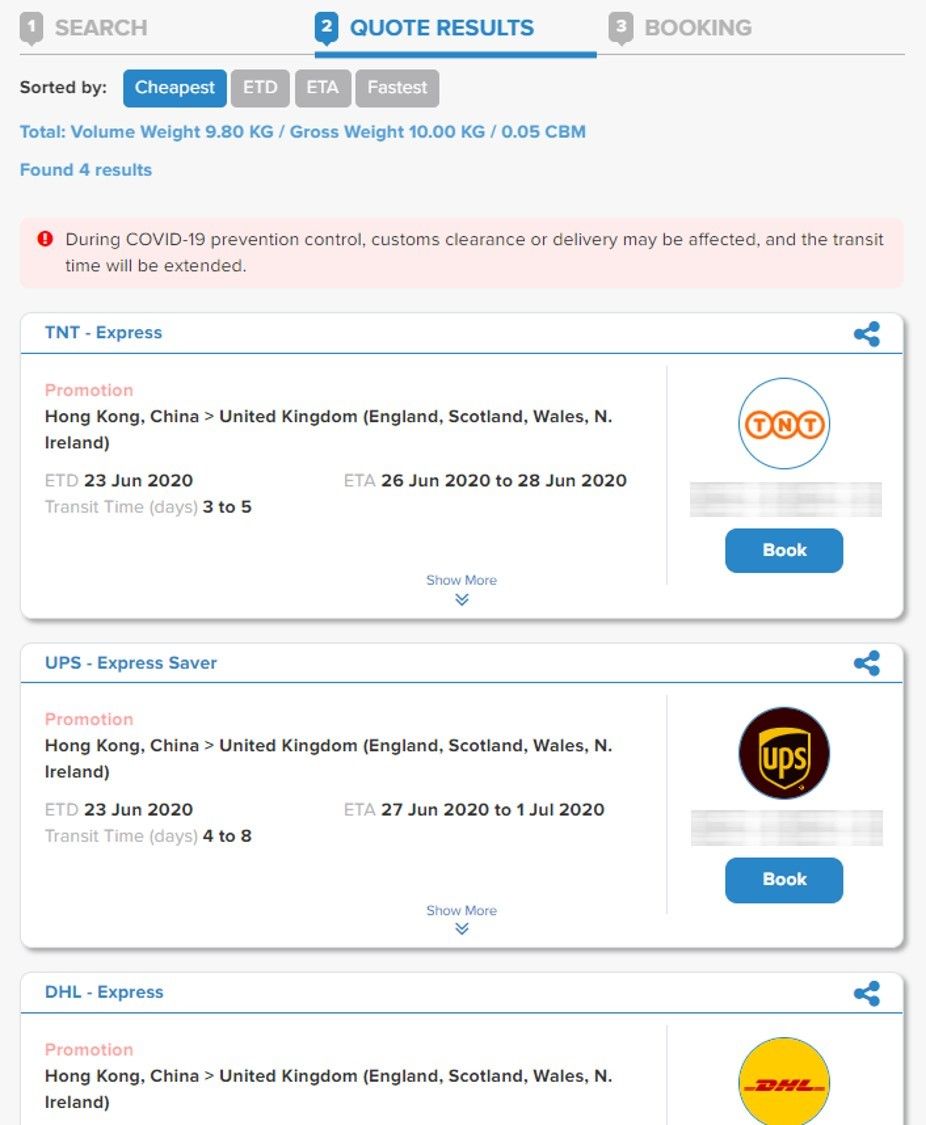
For supply chain optimization, tools like FreightAmigo offer tracking and booking. Book a Demo.
Contact: HKG +852 24671689 | CHN +86 4008751689 | USA +1 337 361 2833 | GBR +44 808 189 0136 | AUS +61 180002752 | Email: enquiry@freightamigo.com








 Global Popular RoutesTop sea & air shipping lanes
 Special OfferLimited-time shipping promotions





 Express
 Document
 Parcel - Air/Sea
 Container
 Relocation