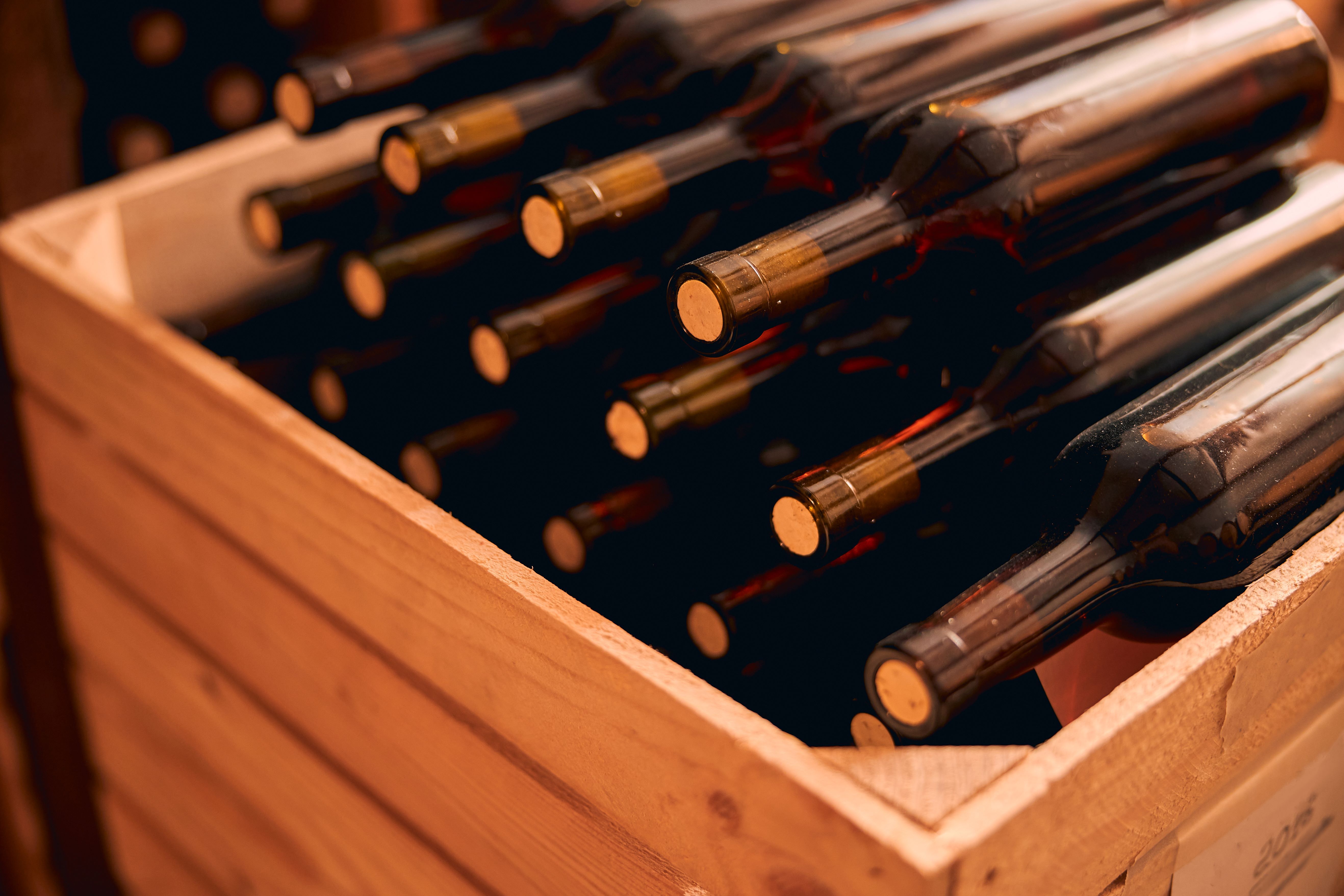
Best Practices for Temperature-Controlled Wine Shipping
TL;DR: Master temperature-controlled wine shipping with ideal 12-18°C ranges, reefer containers, data loggers, and 2025 regulations for flawless delivery—avoid oxidation, leaks, and spoilage.
Updated /strong> /p>
Why Temperature-Controlled Wine Shipping Matters in 2025
Temperature-controlled wine shipping protects delicate vintages from heat-induced oxidation or cold-induced crystallization.
In 2025, global logistics faces stricter regulations amid climate volatility, making precise temperature management essential.
- Oxidation risk: Above 20°C accelerates flavor loss.
- Leakage: Heat expands liquid, pushing corks.
- Crystals: Below 5°C forms tartrates.
- Microbes: Fluctuations breed contaminants.
- 2025 updates: EU mandates real-time monitoring for imports.
Optimal Temperature Ranges for Wine Shipping
Maintaining 12-18°C ensures wine shipping quality across red, white, and sparkling varieties.
Reds prefer 14-18°C; whites 10-14°C; avoid freezing at all costs.
| Wine Type | Ideal Range (°C) | Max Exposure Time |
|---|
| Red | 14-18 | 48 hours |
| White | 10-14 | 72 hours |
| Sparkling | 8-12 | 24 hours |
LSI: reefer containers, thermal packaging, humidity control at 60-70%.
Top Temperature-Controlled Wine Shipping Methods
Choose reefer trucks or insulated containers for reliable temperature-controlled wine shipping.
- Refrigerated trucks (reefers): Best for road hauls over 500km.
- Insulated ISO containers: Ideal for sea freight wine transport.
- Active cooling boxes: PCM gel packs for air cargo.
- Express air with dry ice: Short-haul under 24 hours.
- Hybrid: Rail reefers for cost-effective long-distance.
2025 trend: Electric reefers reduce emissions, per WCO guidelines.
How to Pack for Temperature-Controlled Wine Shipping
Secure packing prevents shocks and maintains steady temperatures in wine shipping.
- Wrap each bottle in foam sleeves.
- Layer with bubble wrap and dividers.
- Add gel packs or dry ice in insulated liners.
- Seal in double-walled boxes rated for 72-hour hold.
- Include data loggers for proof of conditions.
Pro tip: Vertical storage minimizes sediment disturbance.
Essential Monitoring Tools for Wine Logistics
Real-time data loggers are non-negotiable for temperature-controlled wine shipping compliance.
- GPS-enabled sensors track location + temp.
- Bluetooth loggers alert via app.
- Threshold indicators change color at breaches.
- IoT platforms for fleet-wide oversight.
In 2025, blockchain verifies chain-of-custody for premium shipments.
Navigating 2025 Regulations in Wine Shipping
New 2025 rules demand certified temperature-controlled wine shipping protocols.
US FDA tightens import checks; China requires 100% logging.
- EU: T+2 traceability mandatory.
- California: Prop 65 thermal compliance.
- Australia: Biosecurity temp thresholds.
- Customs: Pre-alert with logger data.
- WCO: Harmonized reefer standards.
No major WCO overhaul until 2027, but national shifts dominate.
Common Mistakes in Temperature-Controlled Shipping
Avoid these pitfalls to ensure successful temperature-controlled wine shipping.
- Shipping in summer without reefers.
- Forgetting humidity control (aim 60%).
- Inadequate insurance for high-value cases.
- Ignoring transit time >48 hours.
- Poor vendor vetting—no temp history.
FAQ: Temperature-Controlled Wine Shipping
Quick answers to top temperature-controlled wine shipping questions.
What is the best temperature for shipping wine?
12-18°C maintains quality without oxidation or crystallization.
How long can wine be shipped without refrigeration?
Up to 24 hours in insulated packaging during mild weather.
Are data loggers required for wine imports?
Yes, in 2025 for EU, US, and China per new regulations.
What causes wine to leak during shipping?
Heat expansion above 25°C pushes corks out.
Can I use dry ice for wine shipping?
Yes, but ventilate to avoid CO2 buildup and freezing.
How to choose a wine shipping provider?
Verify reefer certifications and 2025 compliance records.
What’s the cost of temperature-controlled shipping?
20-50% premium over standard, varies by distance/method.
Does vibration affect wine in transit?
Yes; use suspension packing to protect sediment.
Ideal humidity for wine shipping?
60-70% prevents cork drying or mold.
Resources & Next Steps
For expert temperature-controlled wine shipping, Book a Demo with FreightAmigo.
Contact: HKG: +852 24671689 / +852 23194879 (Business), +852 28121686 / +852 23194878 (Personal) | CHN: +86 4008751689 | USA: +1 337 361 2833 | GBR: +44 808 189 0136 | AUS: +61 180002752 | Email: enquiry@freightamigo.com








 Global Popular RoutesTop sea & air shipping lanes
 Special OfferLimited-time shipping promotions





 Express
 Document
 Parcel - Air/Sea
 Container
 Relocation