Green Transportation: Pioneering Low-Carbon Logistics for a Sustainable Future
Introduction to Green Transportation
Green transportation, or sustainable transport, is the movement of people and goods that does not compromise our environment. It embodies principles of environmental sustainability, social equity, and economic efficiency. This mode of transport reduces greenhouse gas emissions, improves air quality, and reduces dependence on fossil fuels, thereby promoting a healthier and more sustainable environment.
The concept of green transportation is not new. It has been around since the advent of human-powered transport modes like walking and cycling. However, the advent of motorized transport and the subsequent explosion in car use has led to a massive increase in carbon dioxide emissions. This has accelerated the urgency to promote and adopt green transportation methods.
The beauty of green transportation is that it not only benefits the environment but also contributes to a better quality of life. People who use green transportation methods like walking, cycling, or electric vehicles are generally healthier due to increased physical activity and reduced exposure to air pollution. Green transportation also promotes social equity by providing affordable and accessible transportation options for all.
Want To Compare The Best Express, Air Freight, Sea Freight, Rail Freight & Trucking Rates So As To Have Better Control On Cost?
The Importance of Sustainable Transportation
Sustainable transportation is essential for a variety of reasons. Most importantly, it is crucial in the battle against climate change. The transportation sector is one of the major contributors to global greenhouse gas emissions.
Moreover, sustainable transport promotes economic efficiency. It can reduce the costs associated with fuel consumption, vehicle maintenance, and health issues related to air pollution. This, in turn, benefits individuals, communities, and the overall economy.
Lastly, sustainable transportation supports social equity. Many people, particularly those in low-income communities, do not have access to personal vehicles. Sustainable transportation options like public transit, cycling, and walking can provide these individuals with affordable and accessible ways to get around.
The Role of Green Transportation for a Sustainable Future
Green transportation plays a significant role in achieving a sustainable future. It is a critical component of any strategy aimed at reducing greenhouse gas emissions, improving air quality, and reducing dependence on fossil fuels.
Furthermore, green transportation can enhance our quality of life. It can lead to healthier communities by reducing air pollution and promoting physical activity. It can also make our cities more livable by reducing traffic congestion and noise pollution.
Features of Eco-Friendly Transportation
Eco-friendly transportation, another term for green transportation, includes several key features. Firstly, it is powered by renewable energy sources. This could be electricity generated from wind or solar power, biofuels made from organic waste, or human power in the case of walking and cycling.
Secondly, eco-friendly transportation is efficient. It maximizes the use of resources and minimizes waste. This could involve optimizing routes to reduce travel distances, using energy-efficient vehicles, or promoting shared transportation modes like carpooling or public transit.
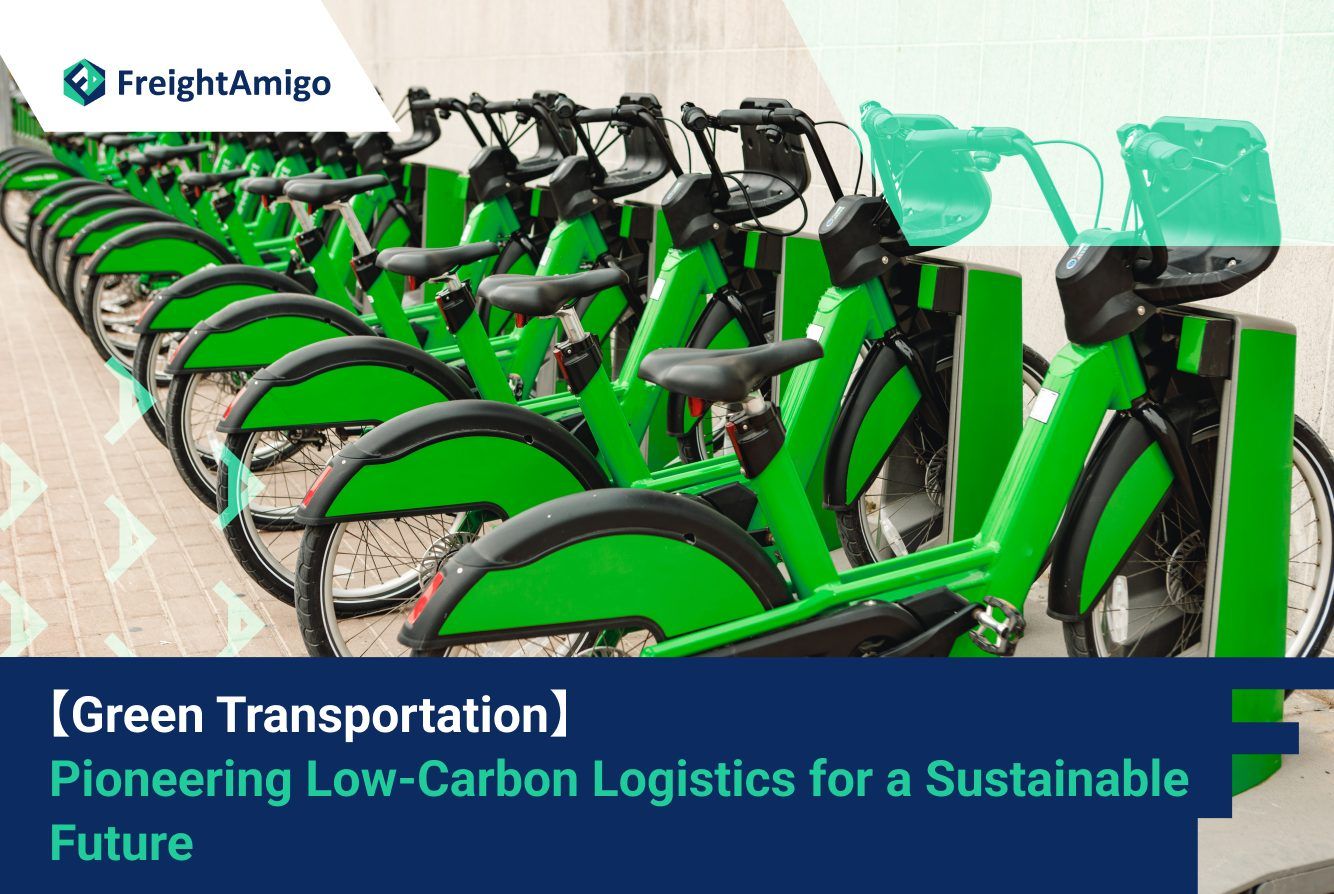
Lastly, eco-friendly transportation is accessible and affordable. It provides a range of transportation options that cater to different needs and budgets. This could include public transit, bike-sharing programs, electric vehicle charging stations, and pedestrian-friendly infrastructure.
Pioneering Low-Carbon Logistics
Low-carbon logistics is an emerging field in green transportation that aims to reduce the carbon footprint of the logistics and transportation sector. This can be achieved through a variety of strategies, such as using electric or hybrid vehicles, optimizing routes to reduce travel distances, using renewable energy sources for warehouses and distribution centers, and promoting the use of rail or water transport over road or air transport.
Numerous companies are pioneering low-carbon logistics. For instance, some companies are transitioning their fleets to electric or hybrid vehicles. Others are investing in renewable energy projects to power their operations. These efforts not only reduce the environmental impact of these companies, but they also save them money in the long run.
Challenges and Solutions in Sustainable Transportation
Despite the numerous benefits of sustainable transportation, there are also several challenges. These include the high upfront costs of green vehicles, lack of infrastructure for green transportation, and resistance to change.
However, these challenges can be overcome. The high upfront costs of green vehicles can be offset term savings in fuel and maintenance costs. Governments and businesses can invest in infrastructure for green transportation, such as bike lanes, public transit, and electric vehicle charging stations. Lastly, education and awareness campaigns can help overcome resistance to change by highlighting the benefits of sustainable transportation.
The Future of Green Transportation
The future of green transportation is promising. With advancements in technology and growing awareness about the importance of sustainability, more and more people are embracing green transportation.
In the future, we can expect to see more electric vehicles on the road, more bike lanes and pedestrian-friendly infrastructure in our cities, and more sustainable public transit options. We can also expect to see more businesses adopting low-carbon logistics and more governments implementing policies to promote green transportation.
Conclusion: Taking the Green Transportation Route
In conclusion, green transportation is not only essential for a sustainable future, but it also offers numerous benefits for individuals, communities, and economies. It reduces greenhouse gas emissions, improves air quality, reduces dependence on fossil fuels, supports local economies, enhances quality of life, and promotes social equity.
Taking the green transportation route may involve some challenges, but these can be overcome with the right strategies and the collective efforts of governments, businesses, and individuals. So let’s all do our part in promoting and embracing green transportation for a sustainable and prosperous future.
There are different options for cargo transportation. If you want to choose the most convenient and suitable solution, it is best to have the full support of logistics experts! If you are planning to ship goods overseas, please go to the FreightAmigo page for inquiries.
FAQ
What is green transportation?
Green transportation is the movement of people and goods that does not compromise the environment. It is built on principles of environmental sustainability, social equity, and economic efficiency, aiming to reduce emissions and fossil fuel reliance.
Why is sustainable transportation important?
It is crucial for combating climate change, improving economic efficiency, and supporting social equity. It helps lower costs from fuel and health issues while providing affordable mobility options for low-income communities.
How does green transportation support a sustainable future?
It serves as a key strategy to reduce greenhouse gas emissions and enhance our quality of life. By minimizing air and noise pollution and reducing traffic congestion, it helps create healthier and more livable cities.
What are the key features of eco-friendly transportation?
It is powered by renewable energy, runs efficiently, and remains accessible and affordable. This includes using solar, wind, or biofuels, optimizing routes, and offering shared options like public transit or bike-sharing programs.
How is low-carbon logistics pioneered?
Companies are reducing their logistical carbon footprint through fleet modernization and operational optimization. Strategies include transitioning to electric or hybrid vehicles, using renewable energy in warehouses, and prioritizing rail or water transport.
What are the challenges and solutions in sustainable transportation?
High upfront costs, lack of infrastructure, and resistance to change are main hurdles that can be resolved through investment and education. Upfront vehicle costs are offset by long-term savings, while infrastructure funding and awareness campaigns help drive public adoption.
What does the future hold for green transportation?
The future will bring wider adoption of electric vehicles, improved pedestrian infrastructure, and sustainable public transit. Continued technological advancements and supportive government policies will encourage more businesses and individuals to go green.





 Express
 Document
 Parcel - Air/Sea
 Container
 Relocation


























 Global Popular RoutesTop sea & air shipping lanes
 Special OfferLimited-time shipping promotions