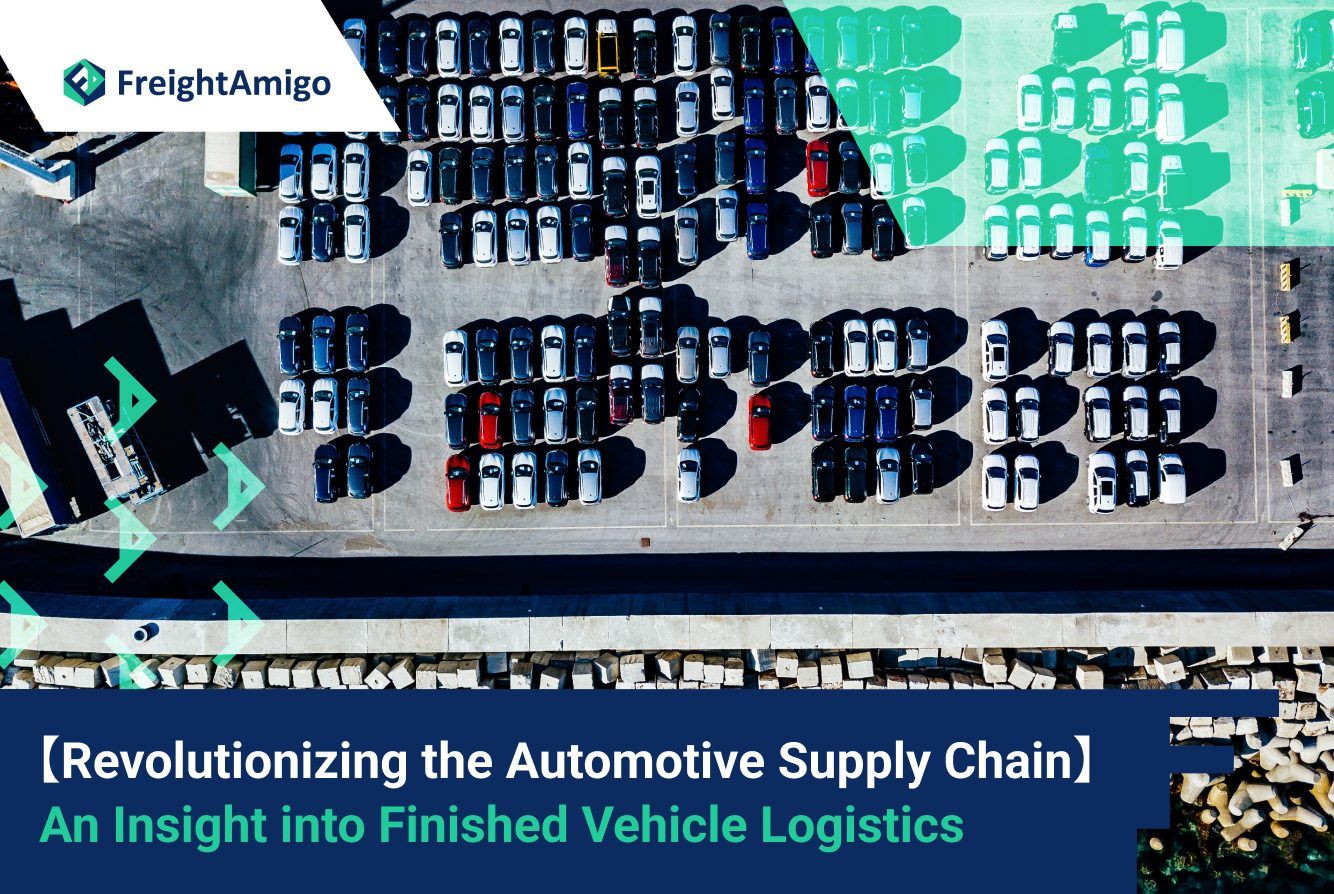
Revolutionizing the Automotive Supply Chain: An Insight into Finished Vehicle Logistics
The automotive supply chain is a complex and intricate network of manufacturers, suppliers, distributors, and retailers that collaborate to design, produce, deliver, and sell vehicles. It’s an interconnected ecosystem where every part, from the smallest screw to the largest engine component, plays a crucial role in creating the final product. The automotive supply chain is also an international operation, often spanning multiple countries and continents.
Stages and Challenges in Automotive Supply Chain
The automotive industry supply chain includes various stages, including the sourcing of raw materials, production of components, assembly of vehicles, and the distribution and sale of the final product. Each stage involves numerous players, from small local businesses to massive multinational corporations. This complexity can lead to challenges in managing the supply chain, especially in terms of quality control, cost efficiency, and timely delivery.
Moreover, the automotive supply chain is not just about physical components and products. It also encompasses a vast array of services, including design and engineering, logistics and transportation, marketing and sales, and after-sales services. This multi-faceted nature of the automotive supply chain makes it a fascinating field of study and an essential part of the global economy.
Want To Compare The Best Express, Air Freight, Sea Freight, Rail Freight & Trucking Rates So As To Have Better Control On Cost?
Importance of Finished Vehicle Logistics in the Auto Supply Chain
Finished vehicle logistics refers to the transportation of completed vehicles from the manufacturing plant to the dealerships or end consumers. It is a crucial part of the auto supply chain as it ensures that the final product reaches the market in perfect condition and at the right time. This process involves various steps, from loading and unloading vehicles to storage, inspection, and delivery.
The importance of finished vehicle logistics in the automotive supply chain cannot be overstated. It directly affects the profitability of automakers and dealers, as any delay or damage in delivery can lead to increased costs and lost sales opportunities. Furthermore, efficient logistics can enhance customer satisfaction, as consumers expect their purchased vehicles to be delivered promptly and without any issues.
However, finished vehicle logistics is a complex and challenging process. It requires careful planning and coordination to handle the large volume of vehicles, diverse delivery routes, and varying customer requirements. Moreover, it must comply with various regulations and standards related to vehicle safety, environmental protection, and international trade.
The Current State of the Automotive Industry Supply Chain
The automotive industry supply chain is currently facing numerous challenges. These include increasing global competition, fluctuating demand and supply, rising costs of materials and labor, and stricter environmental and safety regulations. Moreover, the industry is undergoing significant changes due to technological advancements, shifting consumer preferences, and the emergence of new business models. One of the main issues in the auto supply chain is the lack of visibility and transparency. This can result in inefficiencies, errors, and risks, such as overstock or stockouts, delayed deliveries, and quality issues. Furthermore, the traditional, linear supply chain model is no longer viable in today’s fast-paced and volatile market. Instead, a more flexible and responsive approach is needed. Another challenge is the increasing complexity of vehicles. Modern cars are no longer just mechanical machines but also advanced electronic devices with hundreds of sensors and software programs. This results in a more complex supply chain with a greater number of components and suppliers, making it harder to manage and control.
Revolutionizing the Automotive Supply Chain
The automotive supply chain is ripe for revolution. New technologies, innovative practices, and forward-thinking strategies can transform this complex network into a more efficient, agile, and sustainable system.
One of the key drivers of this revolution is digitalization.
Sustainability in Automotive Supply Chain Revolution
Another critical factor is sustainability. With growing concerns about environmental impact and social responsibility, the automotive industry is under pressure to reduce its carbon footprint and contribute to a more sustainable future. This can be achieved through various means, such as using renewable energy sources, recycling materials, promoting eco-friendly transportation, and adopting a circular economy model.
Moreover, the automotive supply chain revolution includes a shift from a transactional, siloed approach to a more collaborative, integrated one. This involves building stronger relationships with partners, sharing information and resources, and working together towards common goals.
Conclusion: The Future of Finished Vehicle Logistics in the Auto Supply Chain
The future of finished vehicle logistics in the auto supply chain looks promising, thanks to the advancements in technology and changes in business practices. With the rise of electric vehicles, autonomous driving, and shared mobility, the automotive industry is on the brink of a new era.
Digitalization, sustainability, and collaboration will be the main themes in this future. Digital technologies will continue to improve efficiency, transparency, and customer service, while sustainability will be a key consideration in all aspects of the supply chain. Collaboration, both within the industry and with external partners, will be crucial to navigate the complexities and uncertainties of the market.
In conclusion, the revolution in the automotive supply chain is not just about changing how vehicles are produced and delivered but also about transforming the entire industry. It’s an exciting journey that requires vision, innovation, and perseverance. And it’s a journey that will shape the future of mobility and transportation.
There Are Different Options For Cargo Transportation. If You Want To Choose The Most Convenient And Suitable Solution, It Is Best To Have The Full Support Of Logistics Experts! If You Are Planning To Ship Goods Overseas, Please Go To The FreightAmigo Page For Inquiries.
FAQ
What are the stages and challenges in the automotive supply chain?
The supply chain includes sourcing raw materials, component production, vehicle assembly, and final distribution. It involves many players from local firms to multinationals and faces issues with quality control, cost efficiency, and timely delivery.
Why is finished vehicle logistics important in the auto supply chain?
Finished vehicle logistics ensures completed vehicles reach dealerships or consumers in perfect condition and on time. It directly impacts automaker profitability, customer satisfaction, and requires compliance with safety and trade regulations.
What challenges does the current automotive supply chain face?
The industry deals with global competition, fluctuating demand, rising costs, and stricter regulations. Additional issues include lack of visibility, complex modern vehicles with many electronic components, and the limits of traditional linear models.
How is the automotive supply chain being revolutionized?
Digitalization, new technologies, and innovative practices are key drivers of change. These elements aim to create a more efficient, agile, and sustainable network while moving away from siloed approaches.
What role does sustainability play in the automotive supply chain revolution?
Sustainability drives efforts to reduce carbon footprint through renewable energy, recycling, and circular economy models. It also supports a shift to collaborative, integrated operations with partners.
What is the future of finished vehicle logistics in the auto supply chain?
The future centers on digitalization, sustainability, and collaboration amid electric vehicles and new mobility models. These themes will enhance efficiency, transparency, and adaptability in a changing market.


























 Global Popular RoutesTop sea & air shipping lanes
 Special OfferLimited-time shipping promotions





 Express
 Document
 Parcel - Air/Sea
 Container
 Relocation