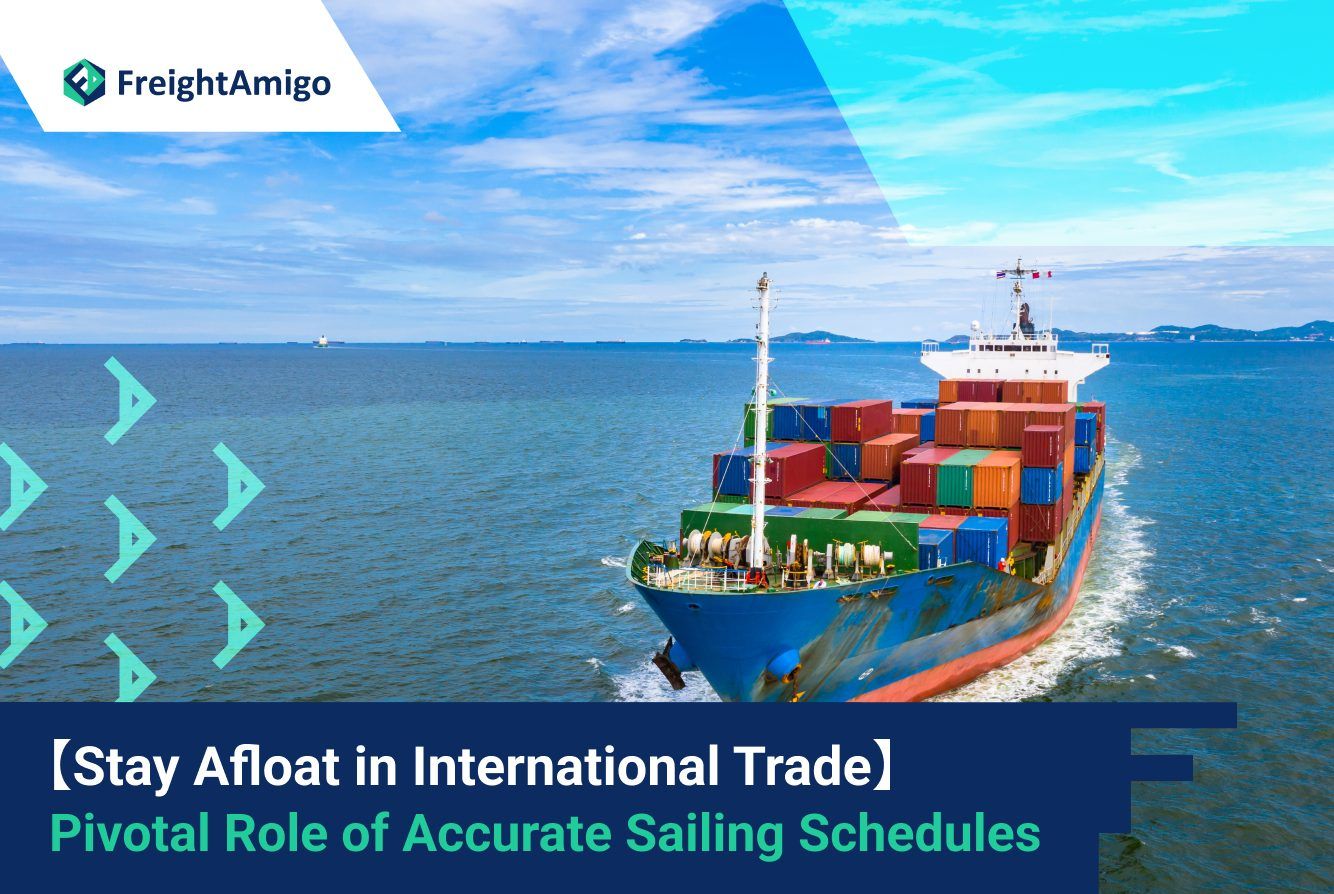
Why Accurate Sailing Schedules Matter in 2025 International Trade
In 2025, accurate sailing schedules form the backbone of seamless international trade, preventing costly delays amid rising port congestion and regulatory shifts.
Vessel schedules dictate cargo timelines across global sea freight routes. With no major WCO revisions until 2027, 2025 brings national changes like enhanced EU emissions tracking and US port digitalization mandates.
Businesses relying on ocean freight must prioritize real-time ship schedules to navigate these updates effectively.
What Are Sailing Schedules? Essential Definitions for Logistics Pros
Sailing schedules, or vessel schedules, detail ship departures, arrivals, port calls, and layover times for reliable sea freight planning.
These ship schedules include:
- Estimated Time of Arrival (ETA) and Departure (ETD)
- Port sequence and dwell times
- Voyage numbers and carrier details
- Cargo cut-off dates
Accurate data ensures logistics teams align with container shipping realities.
Top 5 Benefits of Accurate Vessel Schedules in Global Logistics
Precise vessel schedules boost efficiency, cutting costs by up to 20% through better inventory and resource management.
- Inventory Optimization: Predict arrivals to avoid overstocking or shortages.
- Resource Allocation: Schedule warehouse staff and transport precisely.
- Customer Satisfaction: Deliver on promised timelines, building trust.
- Cost Savings: Minimize demurrage fees from delays.
- Risk Mitigation: Anticipate disruptions like weather or strikes.
In 2025, these advantages are amplified driven schedule tools.
Real-World Consequences of Inaccurate Shipping Schedules
Inaccurate sailing schedules trigger cascading failures, from stockouts to million-dollar losses in international trade chains.
Key risks include:
- Stockouts leading to 15-30% sales loss
- Demurrage and detention fees exceeding $500/day
- Reputation damage from repeated delays
- Supply chain bottlenecks amplifying minor issues
| Issue | Impact | 2025 Cost Estimate |
|---|
| Delay by 1 week | Inventory shortage | $50K+ per shipment |
| Port congestion | Demurrage | $300-600/day |
| Schedule error | Customer churn | 10-20% retention loss |
Key Features of Reliable Ship Schedules in 2025
Top-tier vessel schedules in 2025 offer real-time updates, API integration, and predictive analytics for proactive logistics.
- Real-time ETA/ETD tracking
- Multi-port voyage itineraries
- Automated alerts for changes
- Mobile accessibility
- Historical data analysis
These features align with 2025 digital customs requirements.
How to Access Accurate Sailing Schedules: Step-by-Step Guide
Follow this 2025 how-to guide to source reliable ship schedules and streamline your sea freight operations.
- Verify Carrier Sources: Use official liner websites for base schedules.
- Leverage Aggregators: Platforms compiling multi-carrier data.
- Enable Notifications: Set alerts for voyage changes.
- Integrate APIs: Connect to your TMS for automation.
- Cross-Check Data: Compare multiple sources daily.
This process reduces errors by 40% per industry benchmarks.
2025 Case Study: Accurate Schedules Save Manufacturer $2M
A Hong Kong electronics firm avoided $2M losses in Q1 2025 using precise vessel tracking amid Red Sea disruptions.
FAQ: Accurate Sailing Schedules in International Trade
Quick answers to top questions on vessel schedules and logistics best practices.
- What is a sailing schedule? A timetable detailing ship voyages, ports, ETAs, and ETDs for sea freight planning.
- Why do sailing schedules change? Due to weather, port congestion, mechanical issues, or geopolitical events.
- How often are vessel schedules updated? Real-time platforms update every 1-4 hours; official sources daily.
- Can I track specific container ships? Yes, via IMO numbers and voyage IDs on tracking platforms.
- What causes major schedule delays in 2025? Port digital upgrades and emissions compliance checks.
- How to avoid demurrage with schedules? Monitor cut-offs 48 hours ahead and plan buffer times.
- Are sailing schedules free? Basic ones yes; premium real-time data often subscription-based.
- Impact of inaccurate schedules on trade? Up to 25% cost increase from delays and penalties.
- Best tools for 2025 schedules? Aggregators with API and mobile alerts.
- Role in supply chain visibility? Central to end-to-end tracking from origin to destination.
Resources for Mastering Sailing Schedules
For advanced vessel schedule management, consider tools like FreightAmigo's demo at Book a Demo. Contact: HKG: +852 24671689 | CHN: +86 4008751689 | Email: enquiry@freightamigo.com.








 Global Popular RoutesTop sea & air shipping lanes
 Special OfferLimited-time shipping promotions





 Express
 Document
 Parcel - Air/Sea
 Container
 Relocation