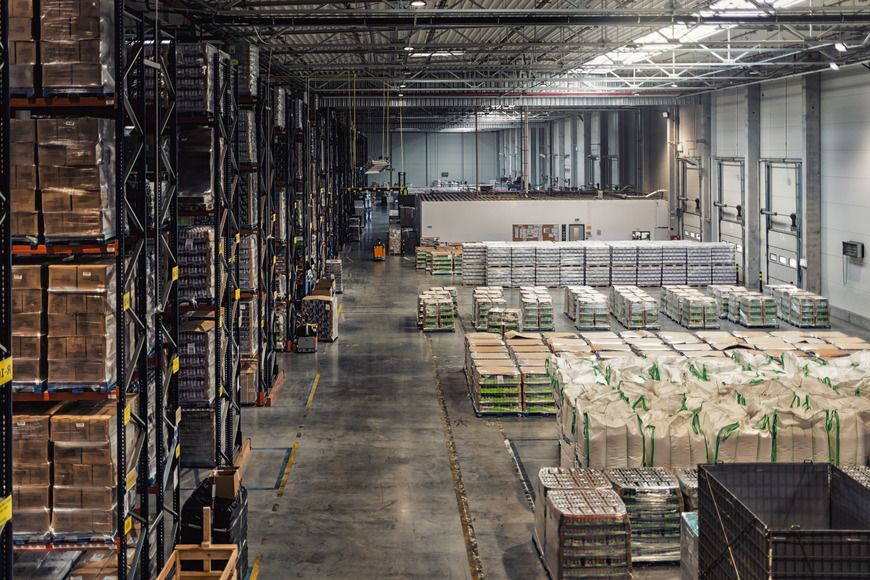
**Why Proper Fine Art Warehouse Storage Matters in 2025**
Fine art demands meticulous care in logistics to prevent irreversible damage.
With 2025's stricter national regulations on cultural asset storage, collectors and museums prioritize compliant warehouses.
- Preserves value: Avoids fading, cracking from poor conditions
- Meets insurance standards: Required for high-value policies
- Supports global trade: Aligns with WCO guidelines pre-2027 revisions
- Enables long-term display: Keeps pieces exhibition-ready
- Reduces restoration costs: Proactive storage saves millions annually
**Optimal Climate Control for Storing Fine Art in Warehouses**
**Stable temperature and humidity form the core of art preservation in warehouses.**
Fluctuations cause canvas warping, paint cracking, and mold on paper.
| Material | Ideal Temp (°F) | Ideal RH (%) |
|---|
| Oil Paintings | 70-75 | 45-55 |
| Watercolors | 68-72 | 50-55 |
| Sculptures | 65-70 | 40-50 |
| Photographs | 65-70 | 30-40 |
2025 updates: HVAC systems now include AI monitoring for real-time adjustments.
**How to Minimize Light Damage When Storing Fine Art**
**UV and visible light accelerate fading in pigments and dyes.**
Implement these strategies for warehouse lighting:
- LED bulbs under 50 lux with UV filters
- Blackout conditions during storage
- Museum-grade acrylic barriers on fixtures
- Annual light meter audits
- Sensor-activated minimal illumination
Pro tip: Rotate pieces quarterly for even exposure if viewing required.
**Best Packaging Techniques for Fine Art Warehouse Storage**
**Acid-free materials prevent chemical degradation over time.**
Key practices include:
- Archival boxes with silica gel packs
- Custom foam cradles for canvases
- Vertical racking systems for paintings
- Nitrile gloves for all handling
- Double-walled crates for transit to storage
In 2025, biodegradable options meet new eco-regulations without compromising protection.
**Security Protocols for Fine Art in Logistics Warehouses**
**High-value art requires layered defense against theft and disasters.**
Essential features:
- 24/7 CCTV with AI motion detection
- Biometric access controls
- FM-200 fire suppression (non-water)
- On-site guards and vault rooms
- Third-party insurance integration
Case study: A 2025 Hong Kong gallery prevented $2M loss via RFID perimeter alarms.
**Inventory Tracking Systems for Art Collections in Warehouses**
**Digital records ensure accountability and quick retrieval.**
Modern methods:
- RFID tags on each piece
- Blockchain for provenance logs
- Quarterly condition photos
- Cloud-based dashboards
- Automated alerts for inspections
Integrates seamlessly with logistics platforms for end-to-end visibility.
**Pest Control Best Practices in Fine Art Storage Facilities**
**Insects and rodents devour organic materials like wood frames and paper.**
Prevention steps:
- HEPA-filtered air circulation
- Freezing treatments at -30°F for infested items
- Sealant barriers at entry points
- Monthly IPM inspections
- Anoxic storage for high-risk pieces
**2025 Regulations Impacting Fine Art Warehouse Storage**
**National updates demand compliance for insurance and transport.**
Key changes:
- EU: Enhanced RH logging requirements
- USA: Fire code upgrades for sprinklers
- Asia: Seismic racking mandates
- Global: Carbon footprint reporting
- All: Digital audit trails mandatory
WCO notes no major revisions until 2027, but local rules tighten now.
**FAQ: Storing Fine Art in Warehouses**
Q: What temperature is best for storing fine art in warehouses? A: Maintain 70-75°F to prevent material expansion or contraction.
Q: How to control humidity in art storage? A: Target 45-55% RH using dehumidifiers and hygrometers.
Q: Are LED lights safe for fine art? A: Yes, if UV-filtered and lux levels stay below 50.
Q: What packaging for canvas paintings? A: Acid-free paper, foam core, and custom crates.
Q: How often inspect stored art? A: Quarterly for condition reports and pest checks.
Q: Must warehouses have fire suppression? A: Yes, preferably non-water systems like FM-200.
Q: What's RFID in art logistics? A: Tracks pieces via radio tags for inventory accuracy.
Q: Can I store modern vs. antique art together? A: No, separate by material sensitivity.
Q: 2025 changes for art storage? A: Stricter digital logging and eco-compliance rules apply.








 Global Popular RoutesTop sea & air shipping lanes
 Special OfferLimited-time shipping promotions





 Express
 Document
 Parcel - Air/Sea
 Container
 Relocation