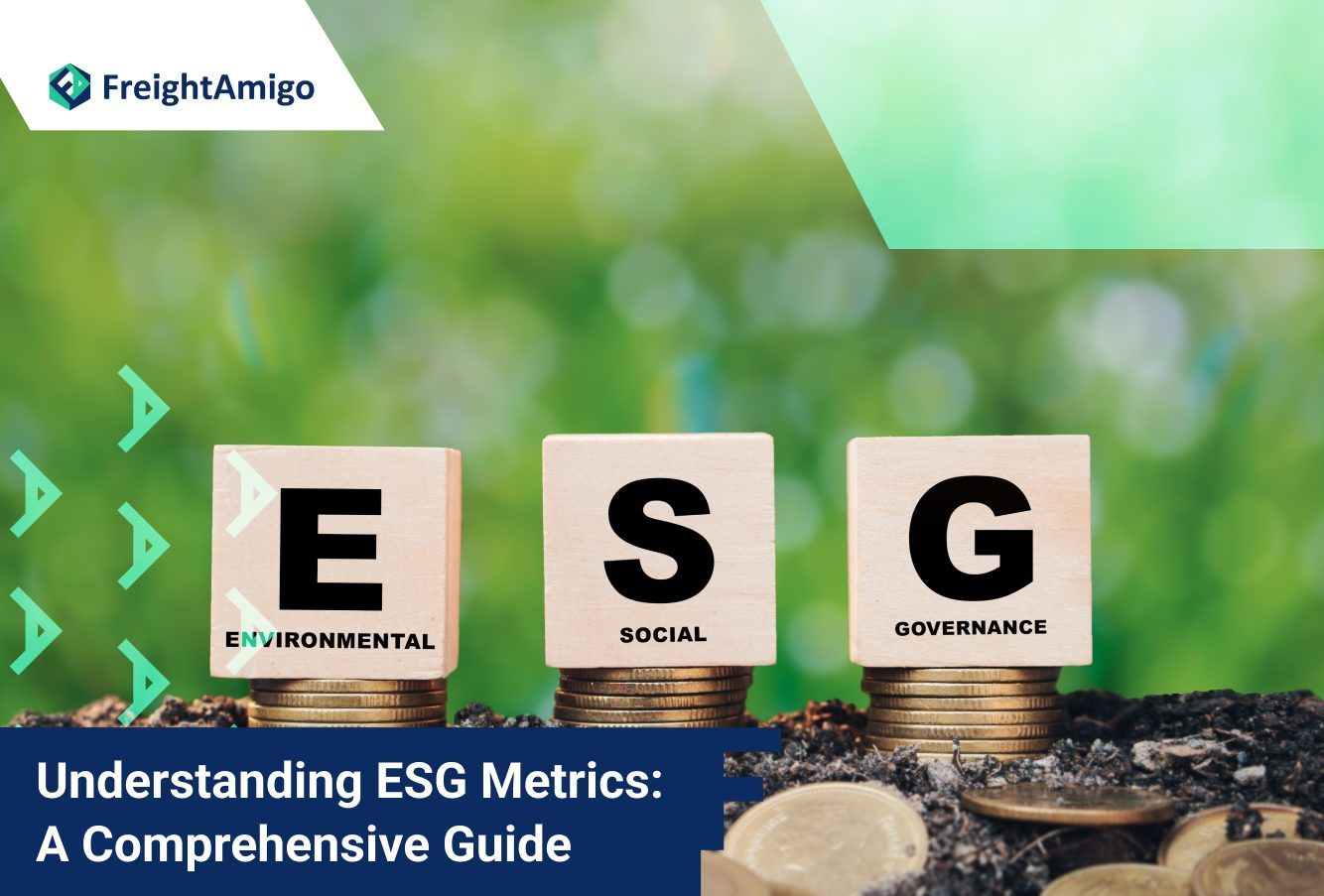
Understanding ESG Metrics: A Comprehensive Guide
TL;DR: ESG metrics measure environmental impact, social responsibility, and governance in logistics; key 2025 trends include carbon tracking and supply chain transparency for sustainable freight operations.
What Are ESG Metrics in Logistics?
ESG metrics evaluate a company's environmental, social, and governance performance. In logistics, ESG metrics track sustainability across supply chains, from emissions in sea freight to ethical labor in warehousing.
These metrics help logistics firms reduce risks and meet 2025 regulations.
- Environmental: Carbon footprint and waste.
- Social: Worker safety and community impact.
- Governance: Ethical sourcing and transparency.
Key Environmental ESG Metrics for Freight 2025
Environmental ESG metrics focus on logistics' ecological footprint, vital amid 2025 national emission mandates.
Freight transport accounts for 14% of global GHG emissions.
| Metric | Description | 2025 Logistics Target |
|---|
| GHG Emissions | Scope 1-3 carbon output | 20% reduction |
| Energy Use | Fuel and electricity consumption | Renewable shift |
| Water Usage | Consumption in operations | 15% efficiency gain |
| Waste Generation | Packaging and hazardous waste | Zero landfill |
Logistics leaders use these for greener trucking and air freight.
Essential Social ESG Metrics in Supply Chains
Social ESG metrics assess stakeholder impacts in logistics operations.
They cover diversity, safety, and community ties.
- Diversity & Inclusion: Workforce representation.
- Labor Rights: Fair wages and no child labor.
- Health & Safety: Incident rates in warehouses.
- Community Engagement: Local job creation.
- Product Responsibility: Safe freight handling.
In 2025, EU supply chain laws demand these metrics.
Governance ESG Metrics for Logistics Compliance
Governance ESG metrics ensure ethical leadership in freight management.
Key areas include board diversity and anti-bribery.
- Board Composition: Gender and skill diversity.
- Executive Pay Ratio: Fair compensation structures.
- Anti-Corruption: Policy enforcement.
- Shareholder Rights: Transparent reporting.
- Risk Management: Supply chain audits.
These build trust in global trade networks.
How to Measure ESG Metrics in Logistics Step-by-Step
Measuring ESG metrics requires a structured approach for logistics firms.
- Identify KPIs: Select industry-specific indicators like Scope 3 emissions.
- Collect Data: Use IoT sensors on trucks and ships.
- Analyze: Benchmark against GRI standards.
- Report: Publish annual ESG disclosures.
- Improve: Set 2025 targets and audit progress.
This how-to drives continuous sustainability.
Benefits of ESG Metrics for Logistics Companies
ESG metrics deliver strategic advantages in competitive logistics.
- Risk Mitigation: Avoid fines from 2025 regs.
- Cost Savings: Fuel efficiency cuts expenses 10-15%.
- Investor Appeal: Attract ESG funds worth $40T.
- Reputation Boost: 78% consumers prefer sustainable brands.
- Regulatory Compliance: Meet WCO-aligned standards.
2025 ESG Challenges and Trends in Freight
2025 brings ESG challenges like data standardization, but trends like AI analytics help.
No major WCO revisions until 2027, yet national changes demand action.
- Challenge: Scope 3 data accuracy.
- Trend: Blockchain for transparency.
- Challenge: Cost of green tech.
- Trend: Hydrogen fuel in shipping.
ESG Metrics FAQ: Logistics Edition
Quick answers to common ESG queries in logistics.
- What are ESG metrics? Frameworks measuring environmental, social, governance impacts.
- Why ESG for logistics? Reduces emissions in high-impact freight sector.
- How to calculate carbon footprint? Sum Scope 1-3 emissions using tools like GLEC.
- What 2025 ESG changes? Stricter national reporting rules.
- ESG metrics vs sustainability? ESG quantifies sustainability performance.
- Best ESG tools for freight? Platforms with real-time tracking.
- How ESG affects shipping costs? Initial investment yields long-term savings.
- Are ESG reports mandatory? Increasingly yes, per EU and US laws.
- ESG in supply chain? Covers tier 1-3 suppliers.
- Future of ESG metrics? AI-driven, standardized globally by 2030.
Resources for ESG in Logistics
For tailored ESG tracking in freight, explore options like Book a Demo.
Contact: HKG: +852 24671689 / +852 23194879 (Business), +852 28121686 / +852 23194878 (Personal) CHN: +86 4008751689 USA: +1 337 361 2833 GBR: +44 808 189 0136 AUS: +61 180002752 Email: enquiry@freightamigo.com








 Global Popular RoutesTop sea & air shipping lanes
 Special OfferLimited-time shipping promotions





 Express
 Document
 Parcel - Air/Sea
 Container
 Relocation