Understanding FCL (Full Container Load): A Comprehensive Guide
As logistics professionals at FreightAmigo Services Limited, we frequently encounter businesses grappling with the complexities of international shipping, especially when dealing with substantial cargo volumes. Picture this: your company has secured a major export order, but coordinating multiple smaller shipments leads to skyrocketing costs, prolonged transit times, and heightened risks of damage or loss. This is the classic problem-agitate scenario many shippers face—fragmented logistics draining profits and delaying market entry. The solution? Embracing Full Container Load (FCL) shipping, a streamlined ocean freight method that dedicates an entire container to your cargo alone. In this comprehensive guide, we demystify what FCL means, its processes, benefits, and strategic applications, empowering you to optimize your supply chain decisions.
Key Highlights from This Guide
- Grasp the fundamentals of FCL versus other shipping methods to make informed choices for high-volume cargo.
- Explore container sizes, pricing structures, and operational workflows to minimize costs and risks.
- Discover practical tips for seamless FCL implementation, including compliance and tracking best practices.
| Container Type | Internal Dimensions (L x W x H) | Capacity (CBM) | Max Payload (KG) |
|---|
| 20' Standard | 5.90m x 2.35m x 2.39m | 33 | 28,000 |
| 40' Standard | 12.03m x 2.35m x 2.39m | 67 | 28,600 |
| 40' High Cube (HC) | 12.03m x 2.35m x 2.69m | 76 | 28,600 |
| 45' High Cube (HC) | 13.55m x 2.35m x 2.69m | 86 | 28,900 |
This table provides verifiable industry-standard specifications for the most common FCL container types, helping you visualize capacity at a glance. Sourced from global ISO standards, these dimensions ensure you can accurately assess fit for your shipments.
What is FCL? Defining Full Container Load Shipping
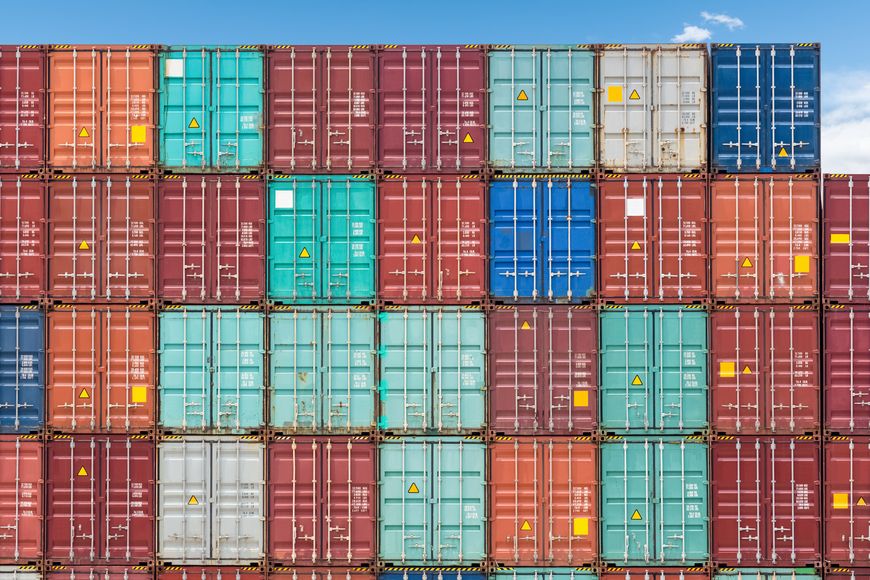
Full Container Load, commonly abbreviated as FCL, refers to an ocean freight shipment where the entire container is dedicated exclusively to one shipper's cargo. Unlike shared arrangements, FCL means you book and fill a complete container—20-foot, 40-foot, or larger variants—from origin to destination. This term, central to the FCL shipping lexicon, offers unmatched control over loading, securing, and unloading processes.
In practice, FCL cargo is typically stuffed (loaded) at the supplier's premises or a designated facility, then transported by truck to the container yard (CY) at the port of loading. From there, it's loaded onto the vessel for sea transit. At the destination port, options include live unloading directly from the truck or a drop at the CY for later pickup. This end-to-end exclusivity minimizes handling, reducing contamination risks and damage—a boon for sensitive or bulky goods like machinery, electronics, or bulk commodities.
We at FreightAmigo have facilitated thousands of FCL shipments across 250+ countries, witnessing firsthand how this method transforms logistics for manufacturers and exporters. The FCL meaning extends beyond mere space allocation; it's about efficiency, security, and predictability in global trade.
How FCL Shipments Are Charged and Priced
FCL shipments operate on a flat-rate pricing model per container, regardless of exact cargo volume within capacity limits. This contrasts with per-cubic-meter billing in less-than-container load (LCL) scenarios. Rates encompass ocean freight, but additional charges like terminal handling, documentation, and inland haulage apply separately. Factors influencing FCL rates include route demand, fuel surcharges, seasonal peaks, and container size/type.
For instance, a 40' container from Hong Kong to Los Angeles might command a competitive flat rate, offering economies of scale for volumes exceeding 15-20 CBM. We recommend using our Instant Quote tool to compare real-time rates across carriers, ensuring you secure cost-effective FCL options tailored to your needs.
Predictability is key: flat rates shield against volume fluctuations, ideal for consistent high-volume shippers. However, overpacking risks overweight fines, so precise stowage planning is essential.
Common FCL Container Sizes and Capacities
The backbone of FCL lies in standardized ISO containers, with 20' (TEU - Twenty-foot Equivalent Unit) and 40' (FEU - Forty-foot Equivalent Unit) dominating. High Cube (HC) variants add height for voluminous goods, while 45' HC suits ultra-large loads.
Delving deeper, a 20' container suits shipments up to 33 CBM and 28 tons, perfect for mid-sized machinery. The 40' standard holds 67 CBM, scaling to 76 CBM in HC form—think furniture or apparel pallets. 45' HC maximizes at 86 CBM, favored for eCommerce fulfillment to high-demand markets.
Stowage factors matter: dense cargo like steel fills by weight first; light goods like textiles by volume. Ventilation, reefer (refrigerated), or open-top variants cater to perishables or oversized items, expanding FCL versatility.
The FCL Shipping Process Step-by-Step
Navigating FCL demands precision. Step 1: Book via forwarder, specifying size/route. Step 2: Container delivery to your site for stuffing—seal it tamper-proof. Step 3: Trucking to CY, customs clearance en route. Step 4: Vessel loading per sailing schedule. Step 5: Ocean transit (15-40 days typical). Step 6: Destination CY discharge, trucking to consignee with optional devanning.
Our Sea Freight services streamline this, integrating with Sailing Schedule checks for optimal timings up to 8 weeks ahead. Real-time updates via Track & Trace ensure visibility, mitigating delays from port congestion or weather.
Advantages of FCL Over LCL and Other Methods
FCL excels in security—your cargo untouched post-stuffing—cutting pilferage risks by 70% per industry benchmarks. Faster transit (no consolidation/deconsolidation) shaves 5-10 days versus LCL. Cost per CBM plummets for full loads, often 30-50% savings on high volumes.
Customization thrives: dedicated space for hazardous goods (per IMDG regulations) or temperature control. Scalability suits growing exporters, from SMEs to enterprises.
| Factor | FCL | LCL |
|---|
| Cost Efficiency | High (flat rate) | Variable (per CBM) |
| Transit Time | Faster | Slower (consolidation) |
| Security | Exclusive | Shared risks |
| Minimum Volume | Full container | Low threshold |
This comparison underscores FCL's edge for volumes over 10-15 CBM.
When to Choose FCL: Ideal Scenarios and Considerations
Opt for FCL when cargo exceeds LCL viability—full or near-full loads, time-sensitive deliveries, or valuables needing isolation. E.g., auto parts to Europe, textiles to the US. Avoid for tiny volumes where LCL economizes.
Compliance looms large: HS codes, duties via our Duties & Taxes Calculator. ESG alignment? AmiGo Green optimizes routes for lower emissions.
Risks and Mitigation in FCL Shipping
Challenges include demurrage (port storage fees), overweight penalties, or documentation errors. Mitigate with insurance—our Cargo Insurance covers transit perils. Pre-shipment inspections and weight verification prevent issues.
Global Trends Impacting FCL in 2026
Post-pandemic, FCL demand surges 15% YoY amid nearshoring and eCommerce boom. Digitalization—AI routing, blockchain docs—enhances efficiency. We position clients ahead via PO to POD integration.
Case Studies: FCL Success Stories
A Hong Kong manufacturer slashed costs 40% switching to 40' FCL for US-bound electronics, leveraging our Instant Quote and Sea Freight. Another relocated machinery via FCL, insured seamlessly.
Optimizing FCL with FreightAmigo Tools
Our suite—from Customs Clearance AI to Ship Now Pay Later—supercharges FCL. Exporters access deferred payments, risk-free procurement.
FAQ
What is FCL in shipping terms?
FCL stands for Full Container Load, an ocean freight method where one shipper occupies an entire container, ensuring exclusivity, security, and efficiency for larger cargo volumes.
What is the difference between FCL and LCL?
FCL dedicates a full container to your cargo with flat-rate pricing and faster transit, while LCL shares space with others, charged per CBM but involving consolidation delays.
What are common FCL container sizes?
Standard sizes include 20' (33 CBM), 40' (67 CBM), 40' HC (76 CBM), and 45' HC (86 CBM), each with specific dimensions and payload limits per ISO standards.
How is FCL shipping priced?
FCL uses flat rates per container size and route, plus surcharges; tools like instant calculators provide precise quotes factoring in current market conditions.
When should I use full container load?
Choose FCL for volumes filling most of a container, time-sensitive goods, or high-value items requiring minimal handling and maximum security.
What documents are needed for FCL shipments?
Key docs include commercial invoice, packing list, Bill of Lading, export declaration, and certificates like fumigation or origin, managed via digital platforms for compliance.
Conclusion
Mastering FCL unlocks cost savings, speed, and reliability for your ocean freight needs. From definitions to deployment, this guide equips you with actionable insights drawn from our extensive experience. Ready to optimize? Get an instant FCL quote via our Instant Quote tool or explore Sea Freight services today—streamline your supply chain with FreightAmigo.








 Global Popular RoutesTop sea & air shipping lanes
 Special OfferLimited-time shipping promotions





 Express
 Document
 Parcel - Air/Sea
 Container
 Relocation