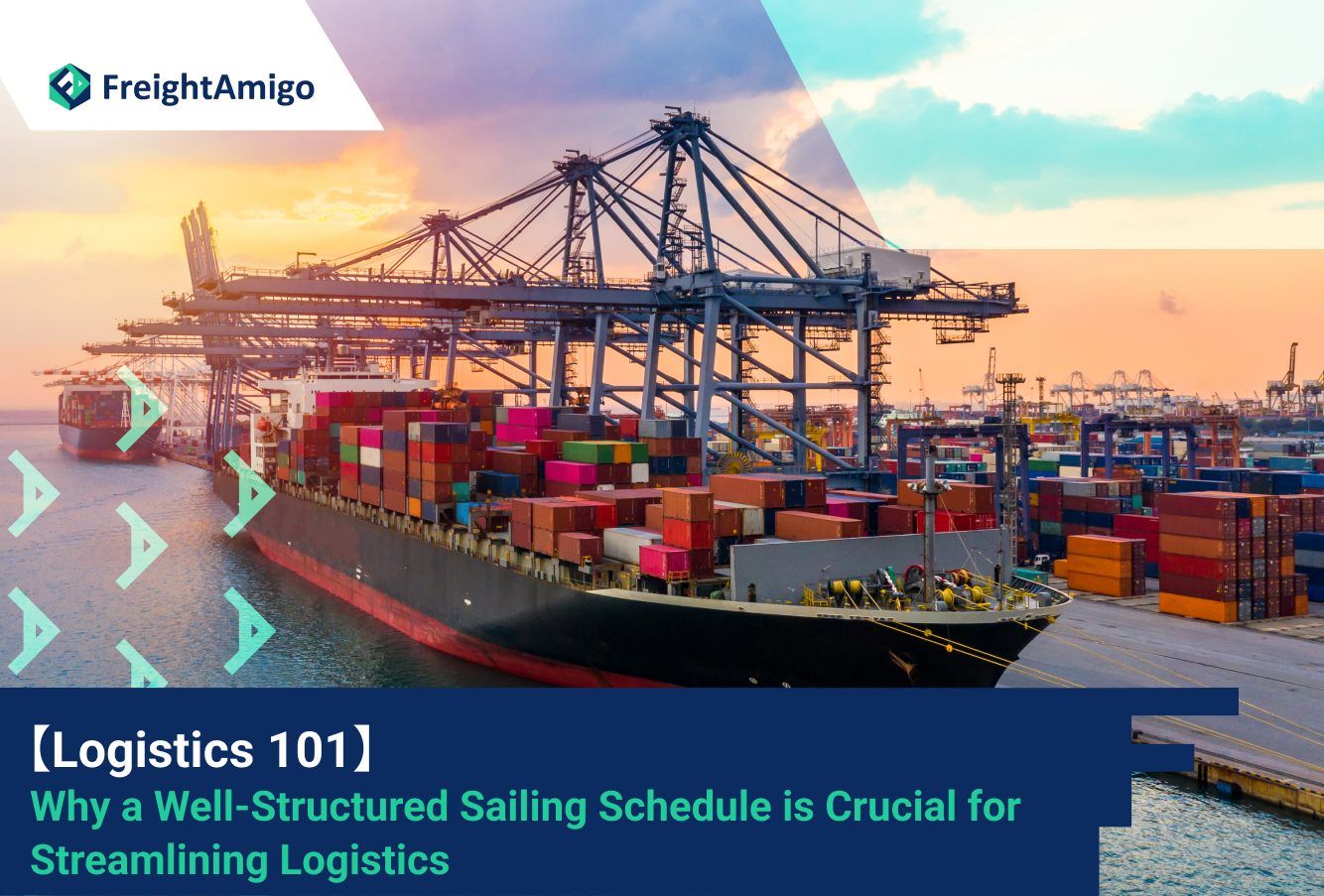
Logistics 101: Why Sailing Schedule is Crucial for Streamlining Logistics in 2025
TL;DR: A well-structured sailing schedule optimizes resources, cuts costs, ensures on-time deliveries, and boosts efficiency in logistics operations amid 2025 supply chain shifts.
What is a Sailing Schedule in Logistics?
A sailing schedule is the backbone of efficient logistics, acting as a detailed timetable for vessel departures, arrivals, and routes in sea freight operations.
It coordinates shipments across global ports, minimizing delays and maximizing throughput. In 2025, with rising fuel costs and port congestion, a precise sailing schedule becomes non-negotiable for competitive edge.
- Defines vessel routes and ports.
- Lists exact cut-off and estimated time of arrival (ETA).
- Integrates with air, rail, and trucking for multimodal logistics.
- Supports real-time tracking amid 2025 regulatory changes.
Key Components of an Effective Sailing Schedule
Understanding sailing schedule components ensures seamless logistics planning and execution.
Break down the essentials for 2025 compliance and efficiency:
| Component | Description | 2025 Relevance |
|---|
| Departure/Arrival Ports | Specific origin and destination ports | Accounts for new EU green port mandates |
| Vessel Details | Name, capacity, IMO number | Tracks low-emission vessels |
| Dates & Times | ETD, ETA, transit duration | Aligns with peak season surcharges |
| Transit Times | Estimated journey duration | Buffers for Red Sea disruptions |
| Cargo Cut-Off | Final loading deadline | Critical for just-in-time inventory |
Benefits of a Well-Structured Sailing Schedule in Logistics
Streamlining logistics with a sailing schedule delivers measurable gains in cost, speed, and reliability.
- Cost Savings: Avoids demurrage fees by precise timing.
- Resource Optimization: Matches cargo volume to vessel capacity.
- Customer Trust: Provides accurate ETAs for better forecasting.
- Risk Mitigation: Plans for weather or geopolitical delays.
- Sustainability: Enables full loads, reducing carbon footprint in 2025.
2025 case study: A Hong Kong exporter reduced delays by 25% using optimized sailing schedules during peak seasons.
How to Create a Sailing Schedule: Step-by-Step Guide
Building a sailing schedule starts with data-driven planning for logistics success.
- Gather Route Data: Analyze historical sailing schedules and port frequencies.
- Forecast Demand: Align with sales projections and inventory levels.
- Incorporate Buffers: Add 10-15% transit time for 2025 uncertainties.
- Integrate Technology: Use logistics platforms for automation.
- Review Weekly: Update for real-time changes like vessel diversions.
Common Challenges in Sailing Schedule Management and Solutions
Sailing schedule disruptions plague logistics, but proactive strategies counter them effectively.
- Port Congestion: Solution: Diversify ports and use direct routes.
- Vessel Delays: Solution: Multi-carrier booking options.
- Data Inaccuracy: Solution: Real-time API integrations.
- Regulatory Changes: Solution: Monitor IMO 2025 updates.
- Weather Events: Solution: Alternative routing tools.
2025 Sailing Schedule Trends Impacting Logistics
Logistics faces transformative sailing schedule trends in 2025, driven by sustainability and tech.
Key shifts include:
- Green methanol vessels shortening Asia-Europe transits.
- AI-optimized schedules reducing empty repositions by 20%.
- National port digital twins for predictive ETAs.
No major WCO revisions until 2027, but 2025 national changes demand agile sailing schedules.
Best Practices for Optimizing Your Sailing Schedule
Master sailing schedule optimization with proven logistics best practices.
- Automate with software for real-time updates.
- Collaborate via shared platforms with partners.
- Track KPIs: On-time performance >95%.
- Conduct quarterly audits.
- Leverage 2025 data analytics for forecasting.
FAQ: Sailing Schedules in Logistics
Frequently asked questions on sailing schedules:
What is a sailing schedule? A timetable detailing vessel departures, arrivals, and routes for sea freight logistics.
Why is a sailing schedule important in 2025? It counters rising disruptions, optimizes costs, and ensures compliance with new green regulations.
How often should you update a sailing schedule? Weekly, or real-time with tech tools for accuracy.
What causes sailing schedule delays? Port congestion, weather, and geopolitical events like Red Sea issues.
Can sailing schedules integrate with other logistics modes? Yes, for seamless multimodal transport including air and rail.
How does technology improve sailing schedules? Via AI predictions and API tracking for 99% accuracy.
What are 2025 sailing schedule trends? Shift to sustainable fuels and digital port systems.
How to choose vessels in a sailing schedule? Prioritize capacity, ETA reliability, and eco-certifications.
What's the role of ETAs in sailing schedules? They set customer expectations and enable inventory planning.
Do small businesses need sailing schedules? Absolutely, to compete on cost and reliability.
Conclusion: Secure Your Logistics Edge
A structured sailing schedule streamlines logistics, driving efficiency in 2025's volatile landscape. Implement these strategies for smoother operations.
For advanced tools, Book a Demo with FreightAmigo.
Contact: enquiry@freightamigo.com | HK: +852 24671689 | CHN: +86 4008751689 | USA: +1 337 361 2833 | GBR: +44 808 189 0136 | AUS: +61 180002752








 Global Popular RoutesTop sea & air shipping lanes
 Special OfferLimited-time shipping promotions





 Express
 Document
 Parcel - Air/Sea
 Container
 Relocation