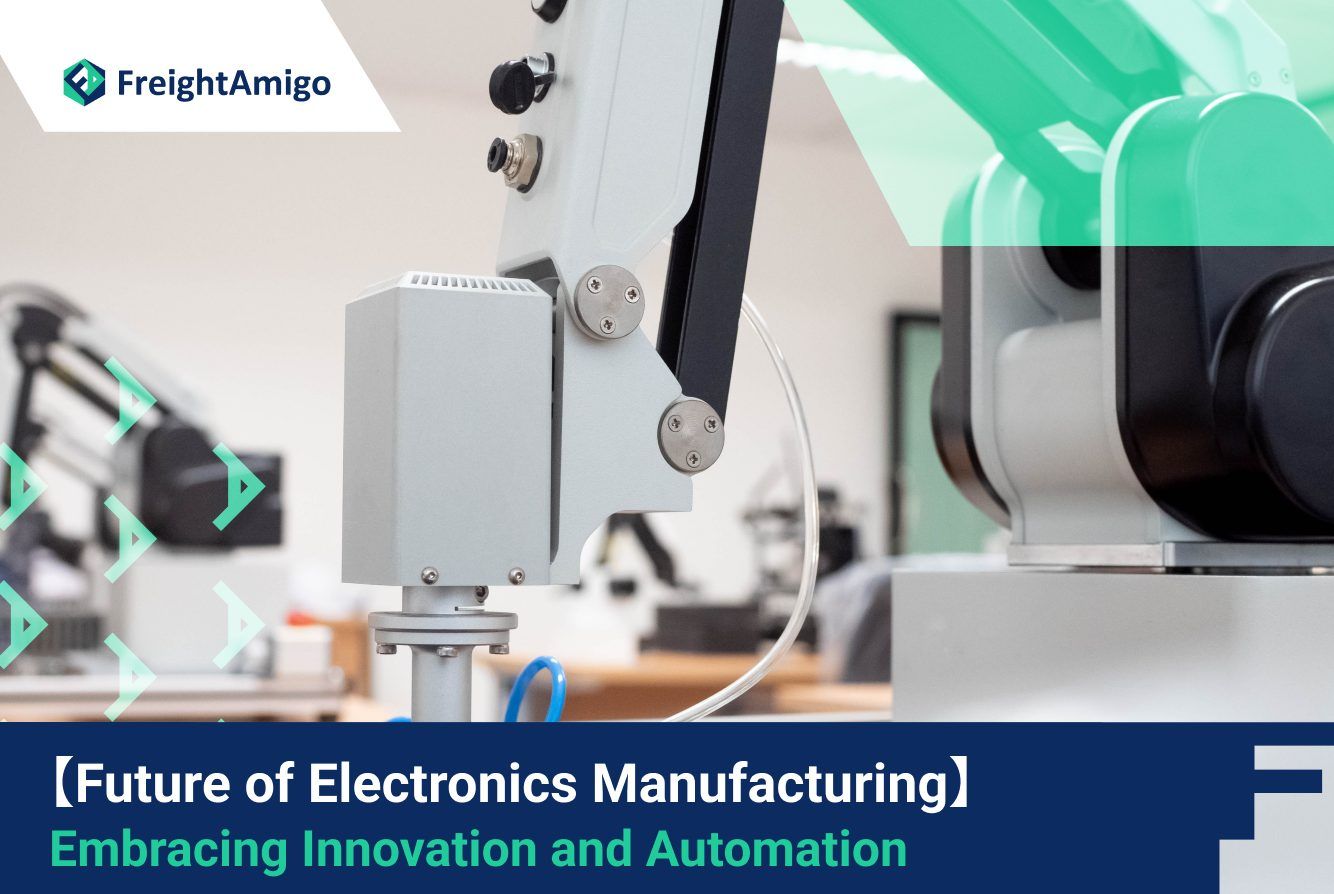
The Future of Electronics Manufacturing: Embracing Innovation and Automation
Introduction to electronics manufacturing
Electronics manufacturing has come a long way since its inception. From the bulky and expensive devices of the past to the sleek and affordable gadgets we use today, the industry has seen remarkable advancements. This article explores the future of electronics manufacturing, focusing on the importance of embracing innovation and automation.
The evolution of electronics manufacturing
Over the years, electronics manufacturing has undergone a significant transformation. The relentless pursuit of smaller, faster, and more efficient devices has driven the industry forward. The advent of integrated circuits and microprocessors revolutionized the field, allowing for the development of compact and powerful electronics. As technology continues to advance, electronics manufacturing is poised to reach new heights.
One of the key drivers of this evolution is automation. Automation has revolutionized the manufacturing process, making it more efficient and cost-effective. With the use of robotics and advanced machinery, electronics manufacturers can streamline production, reduce errors, and increase output. Automation also enables manufacturers to adapt quickly to market demands, allowing for faster product development and delivery.
The benefits of embracing automation in electronics manufacturing
Embracing automation in electronics manufacturing offers numerous benefits. Firstly, it improves productivity and reduces costs. Automation eliminates the need for manual labor, which can be time-consuming and prone to errors. intensive tasks, manufacturers can increase efficiency, reduce waste, and lower production costs.
Secondly, automation enhances product quality. Automated processes are more precise and consistent than manual ones, resulting in fewer defects and better overall product performance. This is particularly crucial in industries such as aerospace and medical devices, where precision and reliability are paramount.
Thirdly, automation enables manufacturers to stay competitive in a rapidly evolving industry.
Overview of electronics manufacturing services (EMS)
Electronics Manufacturing Services (EMS) is a vital component of the electronics manufacturing industry. EMS providers offer a range of services, including product design, prototyping, manufacturing, and logistics. These companies serve as strategic partners for businesses looking to outsource their manufacturing operations.
The advantages of outsourcing electronics manufacturing
Outsourcing electronics manufacturing offers several advantages for companies. Firstly, it allows businesses to reduce their capital expenditure. Setting up an in-house manufacturing facility requires significant investments in equipment, infrastructure, and personnel.
Secondly, outsourcing provides access to specialized skills and expertise. EMS providers are experienced in electronics manufacturing and have a deep understanding of the industry’s best practices and regulations. This expertise ensures that products are manufactured to the highest quality standards, meeting customer expectations and regulatory requirements.
Additionally, outsourcing manufacturing allows companies to scale their operations quickly. As demand fluctuates, businesses can adjust their production volume without incurring additional costs. This flexibility is crucial in today’s dynamic market, where consumer preferences can change rapidly.
Key considerations when choosing an electronics contract manufacturer
When selecting an electronics contract manufacturer, several factors should be taken into account. Firstly, companies should consider the manufacturer’s experience and track record. A reputable manufacturer with a solid track record is more likely to deliver high-quality products and meet deadlines consistently.
Secondly, the manufacturer’s capabilities and infrastructure should be evaluated. Manufacturers with state-of-the-art equipment and facilities are better equipped to handle complex manufacturing processes. This ensures that products are manufactured efficiently and meet the required specifications.
Another essential consideration is the manufacturer’s commitment to quality. ISO certifications and other quality management systems indicate a manufacturer’s dedication to maintaining quality standards. Companies should also inquire about the manufacturer’s quality control processes and protocols to ensure that products are thoroughly inspected before shipment.
The importance of electronics manufacturing software
In today’s digital age, electronics manufacturing software plays a crucial role in streamlining operations and improving efficiency. Manufacturing Execution Systems (MES) and Enterprise Resource Planning (ERP) software enable manufacturers to automate and integrate various aspects of their operations.
MES software provides real-time visibility into the manufacturing process, allowing for better planning and resource allocation. It tracks production progress, monitors quality metrics, and identifies bottlenecks. This information enables manufacturers to make data-driven decisions and optimize their operations.
ERP software, on the other hand, integrates various business functions, including inventory management, purchasing, and finance. This integration improves communication and collaboration between departments, streamlines processes, and reduces errors.
Trends and innovations in electronics manufacturing
The future of electronics manufacturing is full of exciting possibilities. Several trends and innovations are shaping the industry and driving its growth. One such trend is the Internet of Things (IoT), which involves connecting everyday objects to the internet. This connectivity opens up new opportunities for smart devices and applications, revolutionizing industries such as healthcare, transportation, and manufacturing.
Another significant innovation is additive manufacturing, commonly known as 3D printing. This technology allows for the creation of complex and customized products with unprecedented precision. 3D printing has the potential to disrupt traditional manufacturing processes, enabling rapid prototyping and on-demand production.
Additionally, renewable energy and sustainability are becoming increasingly important in electronics manufacturing. Manufacturers are exploring ways to reduce their carbon footprint and minimize waste. This includes the use of eco-friendly materials, energy-efficient production processes, and responsible recycling practices.
Conclusion
The future of electronics manufacturing is bright and promising.
Start embracing the future of electronics manufacturing today. Contact our team for a consultation and learn how our EMS services and expertise can propel your business forward.
Contact our team for a consultation and learn how our EMS services and expertise can propel your business forward.











 Express
 Document
 Parcel - Air/Sea
 Container
 Relocation